German parliament approved plans to extend 'Mutterschutz' rules to include support for people who have suffered a miscarriage. Here's what you need to know
From a hike in child benefits to parental allowance adjustments via the possibility of paid paternity leave, we look at what's changing for families in Germany - and what's not - this year.
Germany’s coalition government wants to halve the income limit for couples eligible to receive Elterngeld to €150,000, affecting about 60,000 families. The proposal, made to save money, has been met with controversy.
Most Germans say that family is the most important thing in their life - but what are the realities of raising children in Germany? We take a look at the outlook for families, and how much it really costs to raise a child.
Both new mums and dads in Germany can take advantage of a generous parental leave policy. Here’s what you need to know, including the unique way leave can be split up, how it applies to freelancers, and where the Bundesrepublik stands in comparison to other countries.
As part of its latest coronavirus financial support package, the German government announced that families would receive a one-off payment of €150 per child.
The German government plans to spend €130 billion to revive the economy, and the package includes a one-off bonus of €300 per child. We break down what it means for families.
The government has agreed on a huge economic stimulus package aimed at kick-starting the economy and supporting people in Germany. From families to consumers and business owners, this is how it measures up.
Working parents often face difficulties in finding childcare for school-age children that lasts all day. But the German government has taken a huge step forward to tackle this.
The German government is set to sign off a proposal from the Finance Ministry on Wednesday that will provide tax relief totalling €9.8 billion a year. Finance Minister Olaf Scholz promised it would make a big difference to low earners.
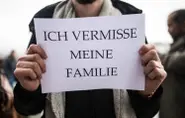
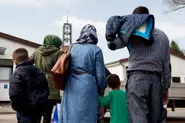
One of the most disputed issues in the current coalition talks is whether war refugees should be allowed to bring their families to Germany. While parties refuse to compromise, refugees live with the consequences.
A survey commissioned by Bild newspaper published on Tuesday reveals that the majority of Germans reject the idea of refugees legally reuniting with their families in Germany.
New figures released on Wednesday show that the years-long trend of women in Germany ending up childless has come to an end, with even university-educated women bringing more babies into the world.
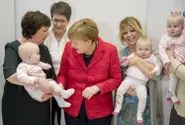
Having children in Germany can be a profitable business. And Angela Merkel has plans to use money to further revive the Teuton libido, as it awakens from a long period of hibernation.
Nine in ten single parent households with one child cannot afford to make ends meet in Germany with minimum wage jobs alone, according to newly released figures.
Germany, trying to staunch the flow of Syrian refugees, has placed high hurdles for them to be reunited with their families, creating a Kafkaesque nightmare in the courts.