With Germany's Green party leading the polls ahead of September's general elections, the ecologists' would-be successor to Angela Merkel has become increasingly targeted by internet trolls and fake news in recent weeks.
From Bill Gates to cell phone radiation, Berlin's public transport provider humorously shed light on a growing number of conspiracy theories about the coronavirus circulating around Germany.
Germany lurched into a brief panic on Friday as several media outlets fell for a satirical tweet that claimed Chancellor Angela Merkel's coalition had collapsed in a bitter row over immigration.
Bild newspaper ran a story detailing allegations of cooperation between Russian trolls and the Social Democrat’s youth leader. But a satire magazine revealed on Wednesday that it tricked the tabloid with fake information.
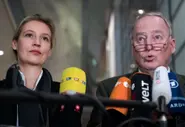
The Association of German Journalists accused the Alternative for Germany (AfD) of opening their own propaganda wing, after Focus magazine reported on Thursday that the far-right party are to set up their own newsroom in Berlin.
The interior ministry in North Rhine-Westphalia (NRW) has warned that a letter being shared on social media which appears to show them ordering police to cover up refugee crimes is in fact fake.
The German Foreign Ministry has issued a warning over a "fake news" story being shared on social media, claiming they had issued a travel warning for Sweden.
The Bild newspaper has established the position of an "independent" ombudsman to respond to any complaints or questions their readers may have about facts and sources used in their articles.
Germany's efforts to punish social media companies when "fake news" is shared on their platforms will hurt tech start-ups while fueling the anger of conspiracy theorists, argue tech analysts Nick Wallace and Alan McQuinn.
Facebook will have to defend itself for the first time in a German court on February 6th over complaints that it allowed the spread of multiple "fake news" posts about the same Syrian refugee.
Journalists have condemned a report by Breitbart news that claimed a mob of 1,000 men had attacked police and set fire to a church, calling the article a distortion of facts.
Perhaps US-style conspiracy theories such as "pizzagate" aren't so common in Germany. But insidious lies are still turning people to violent crime, argues Christina Lee.
Chancellor Angela Merkel warned on Wednesday against the power of fake news on social media to spur the rise of populists, after launching her campaign for a fourth term.