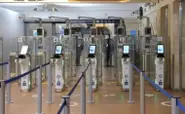
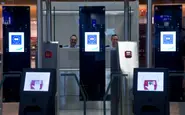
European ferry ports have sounded the alarm about the impact of the EU's new EES checks this summer at the same time as global tourism chiefs say travellers from around the world are being put off by the prospect of long border delays in Europe.
In the first six months of operation of the new EU digital border system, the Entry-Exit System (EES), almost 7,000 travellers were denied entry into Europe's border-free Schengen area because they stayed beyond their permitted time limit, a European Commission report has revealed.
Despite claims that the EU's new Entry/Exit System (EES) border checks would be "fully operational" by April 10th, many airports have reported disruption and some Channel ports don't even have the technology for full rollout yet.
European airports and airlines organisations issued on Monday the latest warning about the next implementation phase of the EU's new biometric border system, “as the transition phase comes to an end right in the travel peak of the Easter holidays.”
The British government has alerted UK tourists travelling to the Schengen area around Easter about the full implementation of EU’s new Entry/Exit border system (EES), urging travellers to allow additional time for journeys.
One of the stated aims of the EU's new EES system of biometric passport checks is to catch people who 'over-stay' the 90-day limit, and 4,000 of those have been caught in the first months of its implementation, according to an EU official.
Airlines across Europe have called on EU chiefs to review the ongoing roll-out for the EES biometric border checks amid fears the system will lead to border chaos this summer.
Member States will have the green light to partially suspend Europe's Entry/Exit System (EES), the new EU digital border system, over the summer to avoid any travel chaos at ports and airports during peak season.
The association of European airports called on Thursday for an urgent review of the new EU border system, amid “mounting operational issues” that could affect the holiday season.
Germany began introducing the EU’s new Entry/Exit System (EES) in October, with Düsseldorf airport being the first to roll out biometric checks. Here are all the major airports that have launched the new system so far.
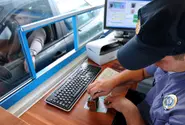
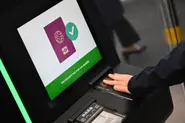
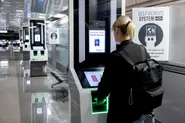
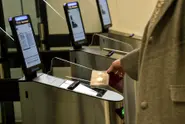
From Sunday, non-EU travellers entering Europe's Schengen open-borders zone will gradually be photographed and fingerprinted at border crossings, as the European Union rolls out its much-delayed automated border checks.
The EasyPASS system allows people from certain countries outside the EU to use e-gates at Germany's borders, but most users including British and US citizens will now have to re-register in order to keep using the scheme.
The EU's new Entry & Exit System (EES) of enhanced passport controls will be launched on October 12th, albeit in a phased in approach, but how will it impact non-EU residents legally living in EU/Schengen countries?
Non-EU travellers heading to EU/Schengen countries will soon face biometric border controls as the EU’s new Entry/Exit System (EES) comes into force from October 12th. But can travellers opt out?
Car passengers travelling from the UK to France and onwards to other European countries will not be immediately subject to the EES biometric border checks that are set to be launched on October 12th.
One of the stated aims of the EU's new Entry & Exit System is to catch over-stayers, especially those who have over-stayed their 90-day allowance. Here's a look at what changes for those who currently travel visa-free to Europe.
The European Union confirmed on Wednesday that a delayed new border-check system for non-EU nationals, which will do away with passport stamps, will finally launch in October.
With firm start dates now in place (probably) for the start of the EU's new systems of biometric passport checks and online visa waivers, we answer your questions on how these systems will work for tourists, foreign residents of EU countries and second-home owners in Germany.
The European Parliament gave final approval on Tuesday to a phased rollout of a new border check system for non-EU nationals which will do away with passport stamps.
The EU's much-delayed EES system of biometric passport checks could begin in October this year, after an agreement was reached on Wednesday between member states.
After repeated delays there is still no confirmed start date for the EU's biometric passport checks system known as EES - but the boss of the UK ferry port of Dover has revealed that he is expecting a start date of November 2025.
After repeated delays two big changes to EU travel rules could come into force in 2025 - so if you have a trip planned, here's what you need to know in advance.
The European Commission has outlined how it intends to introduce Europe's new biometric border system in a phased approach, after its rollout was delayed for the third time in November.
The date of November 10th for the launch of the new EU border system, the EU Entry/Exit System (EES), is “no longer on the table”, the EU s Commissioner Ylva Johansson announced on Thursday afternoon following a meeting of EU home affairs ministers in Luxembourg.