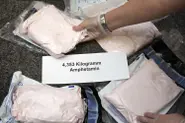
Four German cities - Saarbrücken, Erfurt, Dresden and Chemnitz - have the highest amphetamine consumption of anywhere in Europe, while cocaine and MDMA usage is on the rise in Dortmund and Berlin.
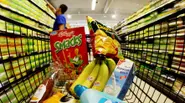
March 15th is World Consumer Day and Germans are no exception when it comes to buying things. Last year consumer spending in Germany saw its sharpest increase since 1994, reported the Federal Statistics Office (Destatis) on Wednesday.
A rainy, mild summer lacking big sporting events to booze along to has put Germans off their world-famous beer, official data showed Monday, as consumption slipped in the first nine months.
The German government upgraded its economic forecast for 2017 slightly Wednesday, saying that strong domestic consumption would increase growth and bring down its much-criticised trade surplus.
There are 32,000 species of animal, plant and mushroom life native to Germany. Due to intensive farming methods, one in every three of these is endangered, a new report shows.
Germany kept unemployment at historic lows in April as the recovery in Europe's biggest economy remains on track, unfazed by global uncertainties and a huge influx of refugees, data showed on Thursday.
Consumer confidence in Germany is at its highest in 13.5 years, as the positive economic outlook and low inflation
persuade consumers to open their purses, a poll found on Wednesday.
Beer, chocolate, car keys! Lock them all away, say Germans, who more than half say they partake in Lent, the seven-week fasting period before Easter, but more for health rather than religious reasons.
New figures released Friday by federal statistics office Destatis are numbers breweries can drink to, as German beer consumption saw its first year-on-year rise since 2006.
German consumer prices rose by a meagre 0.1 percent in June compared with the same month in 2008, but a threat of deflation appeared to be easing, provisional official figures released on Friday showed.