Survey: Majority of Germans want to abolish clock changes
The clocks will go back one hour this weekend. But a new survey has found more than 80 percent of Germans are in favour of abolishing Daylight Saving Time (DST).
EU aims to scrap turning the clocks back for winter
The President of the EU Commission has announced his plan to abolish the changing of the clocks after an online survey showed that Europeans are in favour of staying permanently on "summer time".
Is turning clocks back all a waste of time?
On Sunday Germany turns its clocks back to mark the end of Central European Summer Time. It's a tradition that's been part of German calendars for the past 25 years - but does it do us any good?
Seehofer: I slept through Merkel phone call
The clocks moving forward on Sunday caught out one of Germany’s top politicians who slept through a telephone appointment with Chancellor Angela Merkel.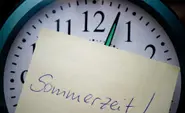
Clocks go forward: spring stays back
Summer is coming, but only in name. Clocks go forward an hour at 2 am on Sunday, depriving Germans of 60 minutes of sleep but also treating them to an extra hour of daylight to enjoy crunching through the unseasonable snow on Easter Day.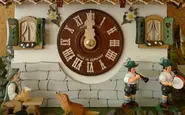
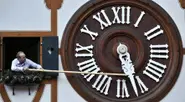
Cuckoo clocks: kitsch, colourful and cheerful
The sandstone cliffs surrounding Triberg should have holes in them from which large wooden birds spring each hour, for the town is the heart of Germany’s cuckoo clock industry. <b>Kate Hairsine</b> investigated.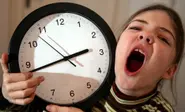
Summer time begins amid safety warnings
The clocks will be moved forward an hour on Saturday night to mark the beginning of daylight saving time. Drivers are being warned to expect a higher chance of wildlife accidents on country roads.
Daylight saving time ends Saturday night
The nights will draw in sooner as of Sunday, as clocks get turned back by one hour at 3am Saturday night.