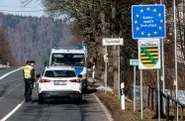
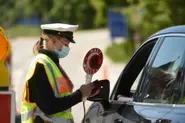
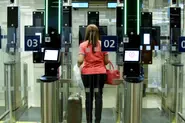
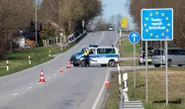
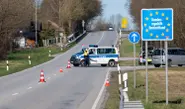
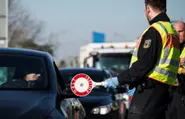
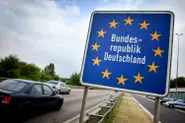
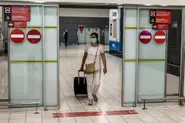
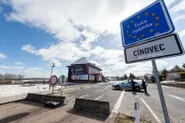
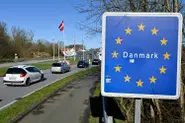
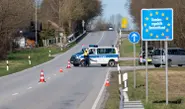
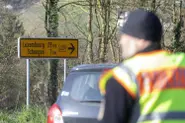
Germany will step up random controls along its land borders to check that travellers arriving in the country are carrying a negative Covid-19 test, Interior Minister Horst Seehofer said Tuesday.
Germany said on Monday it would not rule out expanding
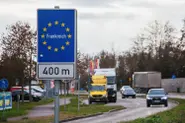
new travel controls to its French border due to Covid-19 variants surging in
the Moselle region. Paris, however, urged against border closures.
The European Commission has proposed creating new "dark red zones" which would be subject to tight travel restrictions whilst Europeans have been "strongly discouraged" from all but essential travel within the EU as Covid-19 infections rise.
The number of people seeking asylum in Germany in 2020 fell by 30 percent compared with the previous year, official data showed Sunday, as closed borders and coronavirus lockdowns slowed arrivals.
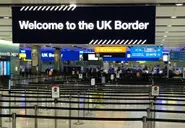
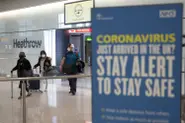
The UK government has announced that it is introducing new rules stating that all arrivals into the country will need to present a negative Covid test.
The UK government's decision to end freedom of movement does not just hit Brits in the UK, but also those living around the EU who may need or simply want to move to another EU country in future. Please tell us if you are affected.
A debate over tightening border controls in Germany has been sparked as countries, including Austria and the Czech Republic, battle with increasing coronavirus infections.
EU countries have finally agreed to reopen their external borders on July 1st to visitors from 15 countries but American tourists will still not be allowed to travel to Europe because the US is still considered a risk due to the high number of Covid-19 cases.
On Monday the German government replaced its blanket travel warning with advice for most EU countries and states. However Germany advises against travel to the UK. Here's what it says.
As European countries emerge from their coronavirus lockdowns and lift travel restrictions to revive their tourist industries, the EU has been aiming to coordinate the border reopening among its 27 members. But it hasn't quite worked out like that.
After three months, the German government has partially lifted the worldwide travel warning for tourists, giving the starting signal for summer holidays.
Germany is progressively relaxing its restrictions on international travel. But we are still worlds away form the freedoms we enjoyed before the pandemic. Here’s what you need to know before travelling abroad this summer.
The German government on Wednesday eased entry restrictions for seasonal farm workers that were first introduced to
help stem the spread of the coronavirus.
The EU's external borders have been effectively closed since mid-March due to the coronavirus pandemic but the European Commission is set to announce a plan for a "progressive and partial" reopening of them from July 1st.
Denmark announced Friday it would reopen
its border to visitors from Germany, Norway and Iceland from June 15th, but said
the UK and the rest of the EU would have to wait a few more months.
The world's biggest tourism group TUI said Wednesday it planned to slash 8,000 jobs in a bid to cut costs as the industry struggles to stay afloat with travel severely curtailed by the coronavirus pandemic.
Austria and Germany plan to open their border on June 15th after being closed for two months in the fight against the
coronavirus pandemic, the government in Vienna said Wednesday.
Luxembourg urged Germany Tuesday to end reinforced anti-virus measures on its border as EU partners struggle to
coordinate their response to the pandemic.
In the time of Coronavirus, what resource could be so vital to the wellbeing and morale of the German people, that the government would override stringent border measures to secure it? Simple. White asparagus, or ‘Spargel’.
Whether it's served with butter and ham, drowned in hollandaise sauce or topped with a fried egg, nothing says spring in Germany like Spargel (asparagus).