
If you’ve lived in, or even just spent a decent amount of time visiting, Germany you may have noticed that Germans have a unique relationship with stuff.
Whether it’s a perfectly functional toaster left on a sidewalk with a 'free' sign (zu verschenken) or the obsessive ritual of making trips to the Sunday flea market, the second-hand economy is a pillar of life in the Bundesrepublik.
But for a newcomer, the landscape can be confusing. Is Humana actually a charity? What on earth is "VB"? And what is the difference between eBay and eBay Kleinanzeigen?
Here's what you need to know to master the German market for used goods.
Second-hand clothing
If you are looking for thrifted clothes, Humana is the undisputed heavyweight. With 40 shops across the country—23 in Berlin alone—it is the first stop for many seeking a new look without the price tag or environmental cost of shopping for new goods.
However, don't let the branding fool you. While the stores bear the logo Humana People to People e.V charity, the shops are actually run by the private, for-profit company Humana Second-Hand-Kleidung GmbH. According to reports, there is little evidence, if any, that much of that money ends up with Humana People to People Deutschland e.V.
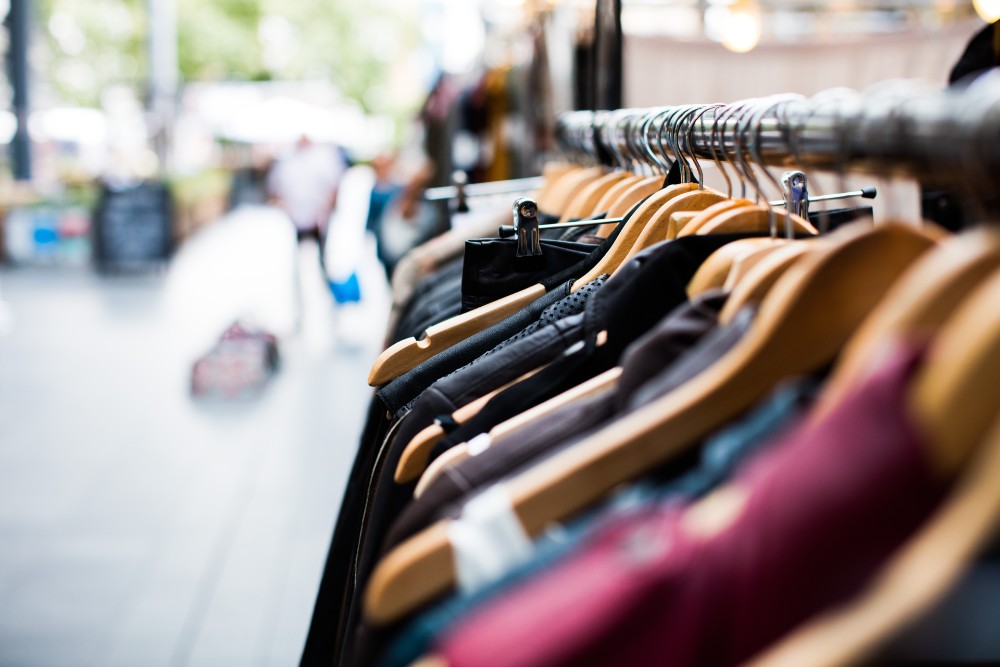
Besides Humana, there are plenty of other second-hand chains and independent thrift or vintage stores to be found in German cities.
Oftentimes, you might find "fast fashion" garments for sale for around €10 or less, or you can expect to pay around double that (but still far less than new) for curated vintage garments of higher quality or from posh labels.
A similar outlet to keep an eye out for is Re-Sales, which offers a similar experience and can be found in a number of cities around Germany and online.
Or for those looking for "cool" without the effort of digging around, PICKNWEIGHT dominates the curated vintage market in Hamburg, Munich and Berlin. Here, you pay a bit more for the convenience of someone else having done the rummaging for you.
Charity shops
The closest thing Germany has to a British charity shop or an American thrift store is the Sozialladen. These are often the best places for homeware.
If you need a set of 1980s plates for €5 or a hand-crocheted cushion cover, look no further. Larger locations even sell furniture and offer incredibly cheap delivery.
READ ALSO: More than Ikea - Where else to buy furniture in Germany
Flea markets
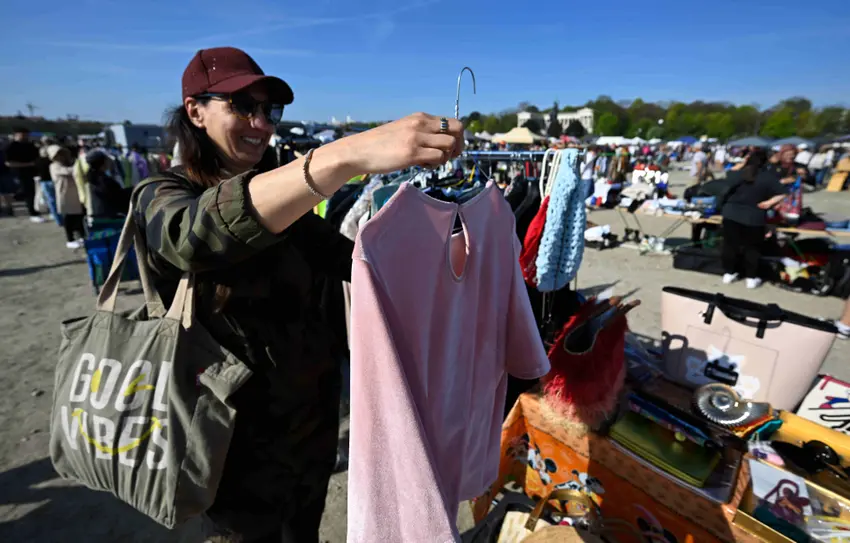
Between spring and autumn, the flea market (Flohmarkt) stands alongside barbeques and open airs as a backbone of German Sundays. Regardless of whether you’re in a tiny Dorf or a central neighbourhood in Cologne, there is likely a market happening nearby on any given weekend.
Like flea markets elsewhere in the world, these markets are essentially jumble sales where residents sell their belongings. These are prime locations to find books, trinkets and basic wardrobe staples.
Larger Flohmärkte will also have local vendors selling street food and drinks, making them a solid day out in the warmer months. It’s best to bring cash, although some vendors will accept PayPal or bank transfers.
Online
Kleinanzeigen (formerly eBay Kleinanzeigen) is the absolute behemoth of Germany's online second-hand markets.
From trendy sneakers to entire kitchen sets, everyone in Germany with stuff to sell tends to put it up on this app. When browsing, look for the letters "VB"—this stands for Verhandlungsbasis, meaning the price is negotiable.
For fashion, Vinted (the platform formerly known as Kleiderkreisel) and Depop are the go-tos for under-40s, while Momox Fashion offers a more "pro" experience with an easy return policy and free shipping over €25.
If you are looking for electronics or media, ReBuy, Refurbed and Momox are the industry standards, often providing warranties on used tech that you won't get from a private seller.
READ ALSO: How the 'right to repair' electronics will work in Germany
Navigating the used car market
Buying a used car in Germany is generally safe but administratively complex. Used car salesmen here have the same reputation as anywhere else, so remain vigilant.
If you want something reliable, look for a Jahreswagen (ex-fleet cars about a year old) or a Vorführwagen (demonstration cars used by dealers). These are little-driven vehicles sold at massive discounts because they cannot be sold as "new."
Before you buy, check the TÜV – the certificate of roadworthiness. It’s valid for two years, and you should never buy a car that doesn't have its papers in order.
Additionally, if you’ve just moved to Germany and are still in your probationary period at work (Probezeit), don't expect to get financing, you’ll likely need to pay upfront.
The magic of 'Zu verschenken'
Perhaps the most 'German' way to acquire things is the Zu verschenken box.
This is the mysterious practice of leaving unwanted items in a box on the street for neighbours to take. It’s a win-win: the owner avoids a trip to the recycling centre, and the finder gets a free kid’s high chair or a slightly chipped mug.
The pro-tip here is to keep your eyes peeled, especially in the posher neighbourhoods in your area. (The author notes that she once found a full ski suit.)
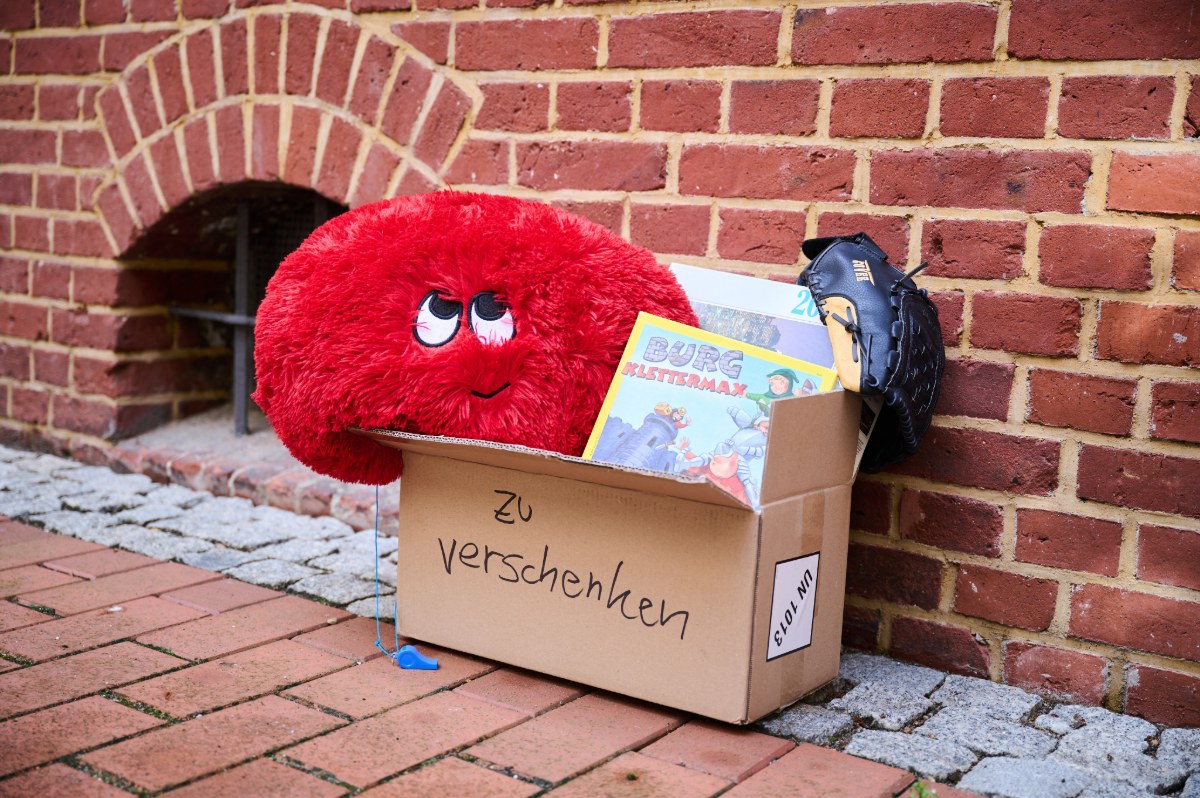
Note that technically leaving stuff outside in a Zu verschenken box may be considered illegal dumping, depending on where you live. Not long ago, Berlin authorities announced that they planned to start cracking down on the practice with fines from €300 and €1,500 for people who ignore an initial warning.
That said, Zu verschenken boxes are an old tradition in Germany, and you're likely to still find some around.
READ ALSO: Can you really be fined for putting out 'zu verschenken' items in Germany?
You can also find freebies listed on Facebook groups like "Free Your Stuff”.
For those looking to save a pretty penny or reduce their carbon footprint, the German second-hand market has a lot to offer. Our top tips would be to be patient, try things on before you buy, carry cash and don’t be afraid to haggle!
Comments