
Inside Germany is our weekly look at some of the news, talking points and gossip in Germany that you might've missed. It’s published each Saturday and members can receive it directly to their inbox by going to their newsletter preferences or adding their email to the sign-up box in this article.
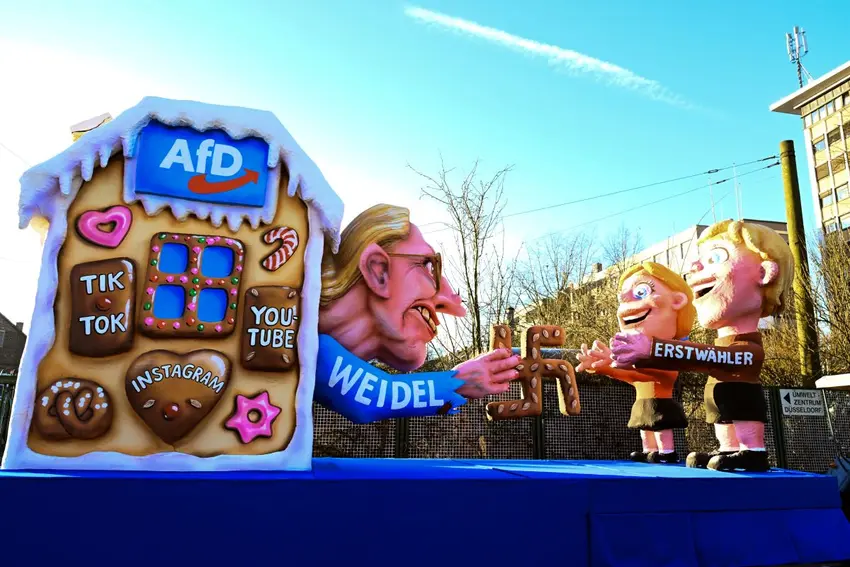
Here’s a story that arguably hasn’t gotten enough attention: Thousands of TikTok accounts sharing content in support of Alice Weidel and the Alternative for Germany (AfD) were found to be based in Nigeria.
The scoop came from Washington-based non-governmental organisation Reset Tech, which was able to identify 1,200 TikTok accounts that systematically posted videos about AfD co-leader Weidel. The accounts appeared to act in a coordinated fashion – with many sharing the same videos with captions worded identically or similarly, and often publishing content just minutes apart.
Taken together the profiles had three million followers and had amassed more than 30 million likes.
That ‘fake’ accounts can be bought and weaponised to spread misinformation and drum up support for the far-right is known. Previous investigations suggested that the AfD was doing as much ahead of the federal election last year.
What's new here is that the location where many of these accounts are based has been revealed – the majority (57 percent) of the posts analysed by Reset Tech were uploaded from Nigeria.
And there’s a particularly rich irony in the fact that the anti-immigration party, which routinely spreads false claims about negative influences of foreigners in Germany, is actively benefiting from negative foreign influence on the German public sphere.
Whether it's through sharing memes, jumping on new platforms or using bots and fake accounts, the far-right, both in Germany and abroad, has proven to be steps ahead at the social media game.
And it does seem to make a difference.
The latest YouGov poll of German voters has the AfD in the lead overall with support from 27 percent of respondents compared to just 23 percent for the CDU/CSU and just 13 and 14 percent backing the Social Democrats and the Greens respectively.
We’re years away from the next federal election, of course, but with state elections on the horizon in Saxony-Anhalt – where the AfD is thought to have a strong chance of winning – we can expect to hear a lot more about the party in the coming months. And likely see a lot more about them on our social media feeds too.
What are Germans proud of?
The German political system may be messy, but it’s also something to be proud of, at least according to a large proportion of Germans.
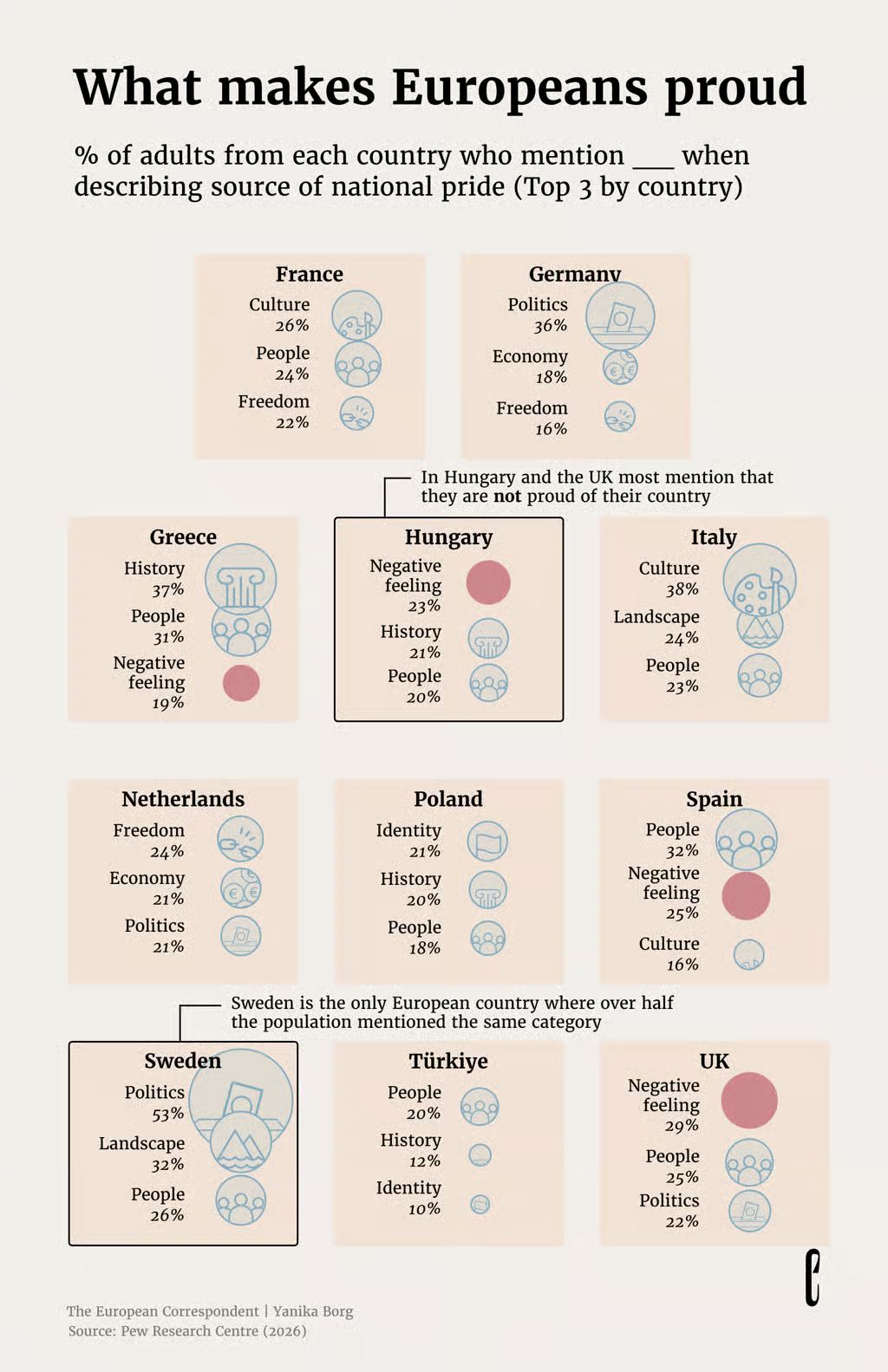
Last year, the Pew Research Center asked more than 30,000 people in 25 countries to answer, in their own words, “What makes you feel proud of your country?”
Any guesses as to the key words that Germans mentioned most often?
It wasn’t ‘beer’ or ‘Lederhosen’ or any type of meat product (sorry, Söder).
Interestingly it was ‘politics’ first and foremost, followed by ‘economy’ and then ‘freedom’ in that order.
And perhaps politics and the economy being Germans' biggest collective sources of pride helps explain why voters' have gone sour on Chancellor Friedrich Merz. The man came to power on bold promises to quickly get both of those sorted out, but it appears the vast majority would say that so far he has failed.
READ ALSO: Germany's Chancellor Merz takes title of world's most unpopular leader
And finally, a bit of good news:
Researchers at the University Medical Centre in Greifswald, Mecklenburg-Vorpommern have reportedly developed a new form of blood plasma that can be safely used for patients of all blood types.
Plasma transfusions are vital in cases of severe blood loss, but so far require an exact blood type match, with only rare AB plasma being universally compatible.
The Greifswald team say they have solved the problem by artificially removing antibodies from donated plasma, using a faster and cheaper method than existing techniques.
The innovation, which has now been approved by Germany’s drugs regulator and is entering routine clinical use in Greifswald, is expected to mark a significant advance in emergency medicine.
READ ALSO: 'Blutspende' - Who can donate blood in Germany?
With reporting by Tom Pugh.
Comments (1)