
Wednesday's top story: Germany and Ukraine agree strategic partnership as Berlin steps up support
Germany and Ukraine have agreed to elevate their cooperation to a new “strategic partnership” following government consultations in Berlin on Tuesday.
Chancellor Friedrich Merz and Ukrainian President Volodymyr Zelenskyy signed a series of agreements extending collaboration beyond military and financial aid to include defence production, economic ties and long‑term reconstruction.
The move reflects Germany’s growing role as Ukraine’s most important supporter amid a gradual reduction in US assistance. A joint declaration described bilateral relations as stronger than ever, underpinned by deepening ties between both societies.
Berlin pledged further military support, including financing hundreds of Patriot air‑defence missiles and additional Iris‑T launchers. Germany and Ukraine also agreed to jointly produce medium‑ and long‑range drones through a new venture aimed at supplying thousands of unmanned systems.
Merz reaffirmed Germany’s backing for Ukraine’s eventual EU accession, calling it strategically important for Europe’s security, while acknowledging that rapid membership remains unrealistic. Zelenskyy reiterated Kyiv’s ambition for full EU and NATO membership.
The chancellor also urged faster action to encourage the return of Ukrainians of military age from Germany, a point Zelenskyy said Kyiv was prepared to address.
READ ALSO: New Berlin centre aims to help Ukraine refugees and encourage returns
Health reform plans draw fire over fears of heavier burden on patients
Germany’s proposed health‑care cost‑cutting plans have triggered growing criticism, with opposition parties, health insurance leaders and patient advocates warning that insured people could be asked to shoulder too much of the burden.
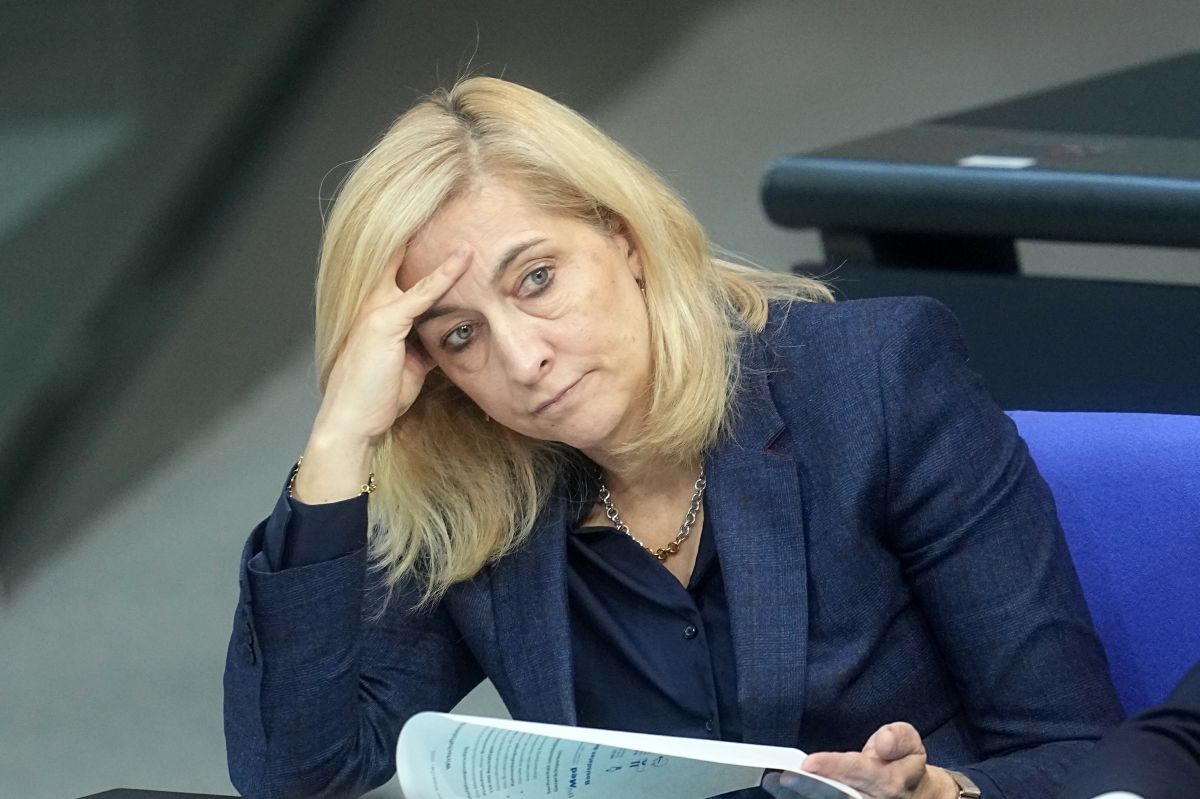
The debate follows the presentation of an austerity package by Federal Health Minister Nina Warken on Tuesday aimed at stabilising statutory health insurance finances and preventing further premium hikes.
READ ALSO: How Germany's major public health insurance reform will affect you
The plans are designed to save around €20 billion, exceeding the projected funding gap for 2027. Measures include spending caps for doctors’ practices, hospitals and the pharmaceutical industry, alongside higher co‑payments for medicines and tighter rules on the free co‑insurance of spouses. A draft bill is due to reach the federal cabinet later this month.
Green Party health expert Janosch Dahmen accused the government of avoiding major structural reforms while passing costs on to contributors and businesses.
Within the governing coalition, the SPD also signalled resistance, warning that stabilisation should not come at the expense of insured patients through higher payments or benefit cuts. Health insurers and welfare groups echoed these concerns, calling the approach unbalanced and socially unjust.
Speed trap marathon set to peak in Germany on Wednesday
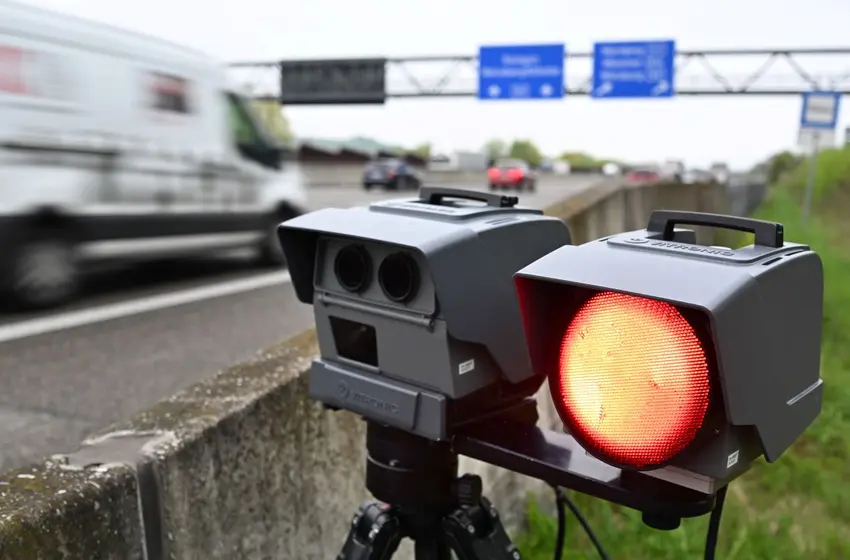
Drivers across Germany are being urged to take extra care on Wednesday as police carry out a nationwide “speed trap marathon,” the focal point of an intensified week‑long enforcement campaign aimed at tackling speeding.
The coordinated operation will see a sharp increase in speed checks on roads where accidents are common, as well as near schools, hospitals and construction zones.
While most federal states are conducting heightened enforcement throughout the week, Baden‑Württemberg, Bavaria and Brandenburg are concentrating their efforts almost exclusively on Wednesday’s action day.
Police will deploy mobile and stationary radar controls on motorways, federal highways and in built‑up areas. Saarland is the only state not taking part in the campaign.
READ ALSO: Driving in Germany - What are the offences that can cost you points on your licence?
Motorists caught exceeding the speed limit can expect the usual penalties, including fines, points on their driving licence and, in serious cases, driving bans.
Police also warn that using speed camera apps or radar detection devices while driving is illegal. Offenders face a €75 fine and a penalty point if caught.
The “Speedweek” campaign, coordinated across Europe through the Roadpool traffic police network, is intended to raise awareness of the dangers of speeding.
Sales of EV cars boom in Germany, but not for German carmakers
German manufacturers are losing market share in their own electric vehicle (EV) market despite rising sales, as foreign competitors expand even faster, according to a new analysis by consultancy EY.
While German carmakers increased domestic EV sales by 23 percent in the first quarter of 2026 compared with a year earlier, their overall share of the German market fell from 66 to 58 percent.
The study shows that German brands sold just under 92,000 electric cars between January and March. But total EV registrations across Germany grew by 41 percent over the same period, driven largely by strong gains among foreign producers.
Chinese manufacturers recorded sales growth of 72 percent, while other non‑German brands saw registrations surge by up to 81 percent.
EY automotive expert Constantin Gall said new incentives had significantly reshaped the market. A fresh electric car subsidy of up to €6,000 and an EU initiative to “green” corporate fleets have encouraged foreign brands to introduce aggressive price cuts, leasing offers and financing deals.
These moves have proved especially attractive to private, price‑sensitive buyers.
READ ALSO: What are the cheapest electric cars you can buy in Germany right now?
Spanish court hands Fernandes–Ulmen investigation to German prosecutors
The Spanish justice system has decided to transfer the investigation into allegations made by actress Collien Fernandes against her former husband, actor Christian Ulmen, to German authorities.
Fernandes’ allegations include identity theft, breach of confidentiality, repeated abuse, insults and serious threats. Spanish legislation was strengthened in 2022 to cover online sexual violence, with further measures proposed to combat sexualised deepfakes.
The judges in Palma de Mallorca argued that the alleged offences largely relate to acts said to have taken place in Germany or involving German‑language online platforms. Witnesses are also based in Germany.

READ ALSO: Why deepfakes and sexual violence is the big talking point in Germany right now
While the decision is not yet final and may still be appealed, it represents a setback for Fernandes, who had brought the case in Spain partly because of the country’s particularly strict laws on violence against women, including in the digital sphere.
The case has fuelled a broader debate in Germany over digital violence against women and potential gaps in existing law.
Following reporting by Der Spiegel, German prosecutors said there is initial suspicion against Ulmen, while stressing that the presumption of innocence applies. Ulmen denies creating or distributing fake pornographic material and has taken legal action against the magazine’s reporting.
Tick‑borne diseases claimed 24 lives in 2024 in Germany as infections rise
With warmer spring temperatures setting in, ticks are once again becoming active across Germany, and new figures from the Federal Statistical Office highlight the continuing health risk.
In 2024, a total of 24 people died as a result of tick‑borne diseases, up from 19 deaths the previous year. Fifteen fatalities were attributed to Lyme disease, while nine were caused by tick‑borne encephalitis (TBE).
The data also show a sharp increase in severe TBE cases, which can largely be prevented through vaccination. Nearly 850 people required hospital treatment for the viral disease in 2024, significantly higher than the long‑term annual average of around 490.
READ ALSO: What parents need to know about vaccinating children in Germany
Hospitalisations for Lyme disease, caused by bacteria, fell to about 4,830 cases, below the long‑term average, though the illness remains widespread.
Current figures from the Robert Koch Institute indicate that hundreds of new Lyme disease cases have already been reported this year, particularly in southern and eastern federal states.
Experts warn that climate change and milder winters mean ticks are now active year‑round, increasing the need for vigilance and preventive measures.
With reporting by AFP and DPA.
Comments