
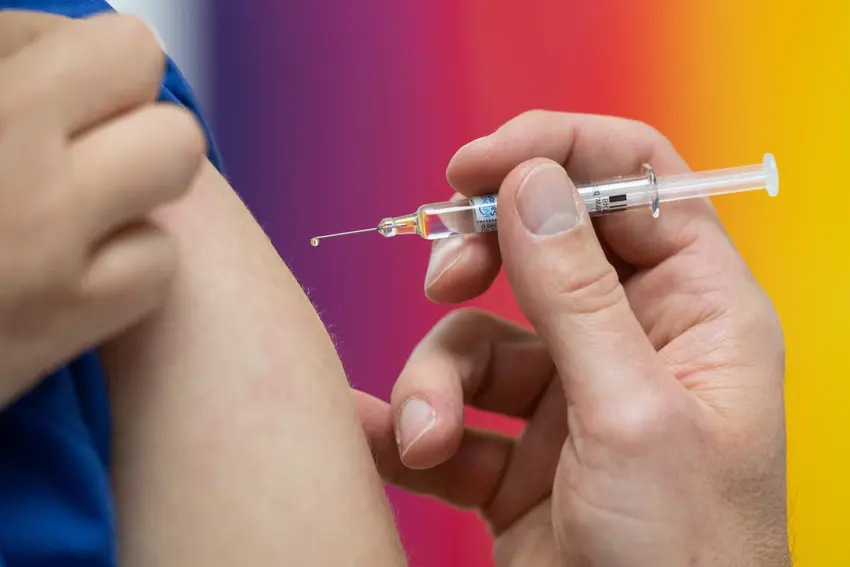
Vaccinations are a key part of public health in Germany, and following the recommended schedule helps protect not only your child but also the wider community.
If you are new to Germany, your child may already have received some vaccinations in your home country. But in some cases Germany's requirements and recommendations may differ, and some diseases may be more or less common here.
What’s changed?
This week, Germany's Standing Committee on Vaccination (Stiko), which is an independent expert panel that develops vaccination guidelines, made a significant change to its recommendations for meningococcal vaccinations. Meningococcal infections, spread mainly via respiratory droplets, can result in serious illnesses such as meningitis or sepsis.
Based on careful analysis of disease patterns and regularly updated to reflect the latest scientific evidence, Stiko’s recommendations are highly influential, shaping which vaccines are offered and when.
Until now, young children in Germany were routinely vaccinated against meningococcal serogroup C at around one year of age. Due to a marked decline in infections among infants and young children – thanks to earlier vaccination strategies – Stiko has now withdrawn this recommendation for babies.
Instead, the focus has shifted to adolescents: children aged 12 to 14 are now advised to receive a combined “quadrivalent” vaccine that protects against four types of meningococcal bacteria (A, C, W, and Y).
This adjustment aims to protect teenagers, who are at higher risk, and to reduce the spread of the bacteria within the wider population.
READ ALSO: How health insurance works for children in Germany
There is also a catch-up offer for those up to age 25 who may have missed this vaccination during early adolescence.
The idea behind the change is to maximise protection where it’s most needed and to streamline the vaccination schedule for infants.
What parents need to know about vaccinations in Germany
In Germany, most vaccinations are strongly recommended but not compulsory.
Only the measles vaccination is required for all children. A law added in 2020 stipulates that German schools can only accept new children who have been vaccinated, and that parents who refused to vaccinate their children against measles would face fines up to €2,500.
Vaccinations are typically administered during routine check-ups, and doctors can advise on the recommended schedule.
Parents can organise vaccinations for their children by making appointments with a paediatrician (Kinderarztpraxis). For adolescents, vaccinations can also be checked and updated during the J1 youth examination, which is a preventive health check for teenagers.
All recommended vaccinations are covered by statutory health insurance in Germany.
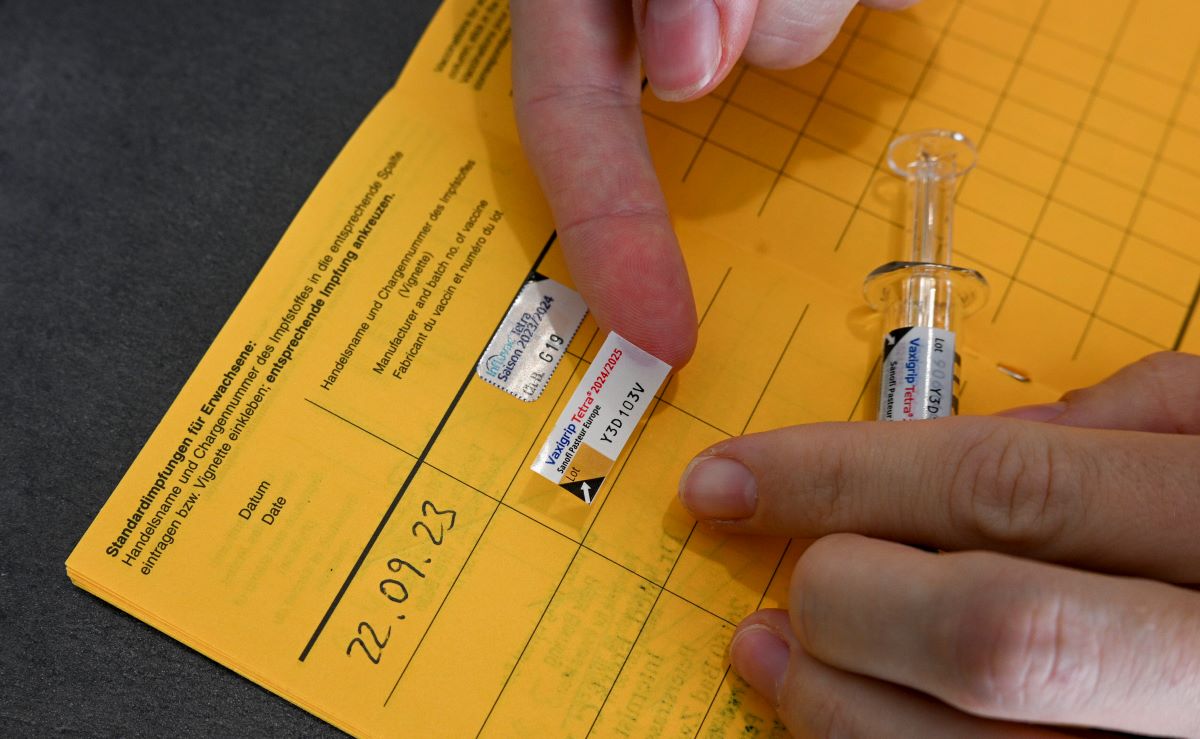
A key tool in managing vaccinations in Germany is the Impfpass or vaccination card.
It's essential to bring the Impfpass to every medical appointment where a vaccination might be given, as it provides a complete record and helps avoid unnecessary repeat vaccinations.
If you don't have an Impfpass (if you’ve recently moved to Germany, for example), you can request one from your doctor, who can transfer records from previous vaccination documents if they’re available.
READ ALSO: The things they don't tell you about raising kids in Germany
Vaccination schedule for children in Germany
Germany’s vaccination schedule is designed to provide protection against a range of serious diseases, starting from infancy and continuing through adolescence.
Here’s a chronological overview of the recommended vaccinations for children:
At two months:
- Tetanus
- Diphtheria
- Whooping cough (pertussis)
- Haemophilus influenzae type b (Hib)
- Poliomyelitis (polio)
- Hepatitis B
- Pneumococci
These are usually given as combination vaccines, with the first dose followed by additional doses at three, four, and 11–14 months. Combination vaccines are widely used to reduce the number of injections.
Up to four months:
- Rotavirus (oral vaccine, 2–3 doses)
READ ALSO: How parents in Germany can get paid time off to care for their sick child
11 to 14 months:
- Measles
- Mumps
- Rubella
- Chickenpox (varicella)
A second dose for these diseases is recommended between 15 and 23 months.
Five to six years:
- Booster for tetanus, diphtheria, and whooping cough.
Booster doses are important to maintain immunity.
Nine to 18 years:
- Booster for tetanus, diphtheria, whooping cough, and polio
- Human papillomavirus (HPV) vaccine (recommended for both boys and girls)
- Quadrivalent meningococcal vaccine (A, C, W, Y) at ages 12–14
Comments