
Even before Germany implemented new fuel price rules, which were supposed to help keep diesel and gas prices from spiking, experts suggested they wouldn't be enough to keep costs stable if the war in the Middle East dragged on.
That scepticism proved to be valid far too quickly. On the same day that the new fuel price brake took effect, the average diesel price in Germany hit an all time record high.
The nationwide daily average cost of a litre of diesel was €2.327 on Wednesday, surpassing Germany's previous record price from March 2022 by 0.6 cents, according to data from the ADAC. Premium petrol E10 was also up to €2.129 on average, a new high for the year.
These jumps came despite the price of crude oil having fallen between March 31st and April 1st. Both prices jumped again on Thursday at noon.
Zooming out, fuel prices are up worldwide as a direct result of the war in the Middle East that was sparked by US and Israeli attacks on Iran.
Economic institutes warn that the German economy will suffer, and EU leaders have already begun suggesting that people in Europe make efforts to save fuel where possible.
With the German government's solution seeming to have already failed to keep prices under control, here are some simple ways you can save a bit of money on fuel as prices continue to spiral upward.
Fuel up in the late mornings
Germany's new fuel price rules haven't kept prices down, but they have impacted the best ways you can save money at the pump.
Previously the most affordable time to refuel in Germany was typically late in the evenings, because there is less demand away from commuter hours so gas stations would often reduce prices slightly at these times.
But now the game has flipped: The new law allows gas stations to put up their prices only once per day at noon, but they can lower their prices at any time. This effectively incentivises oil companies to set their prices as high as they think they could go within the next 24 hours, and then steadily reduce from there to try and beat their competitors.
For consumers this means that the best prices can be found in the late mornings, just before they are adjusted upward again at noon.
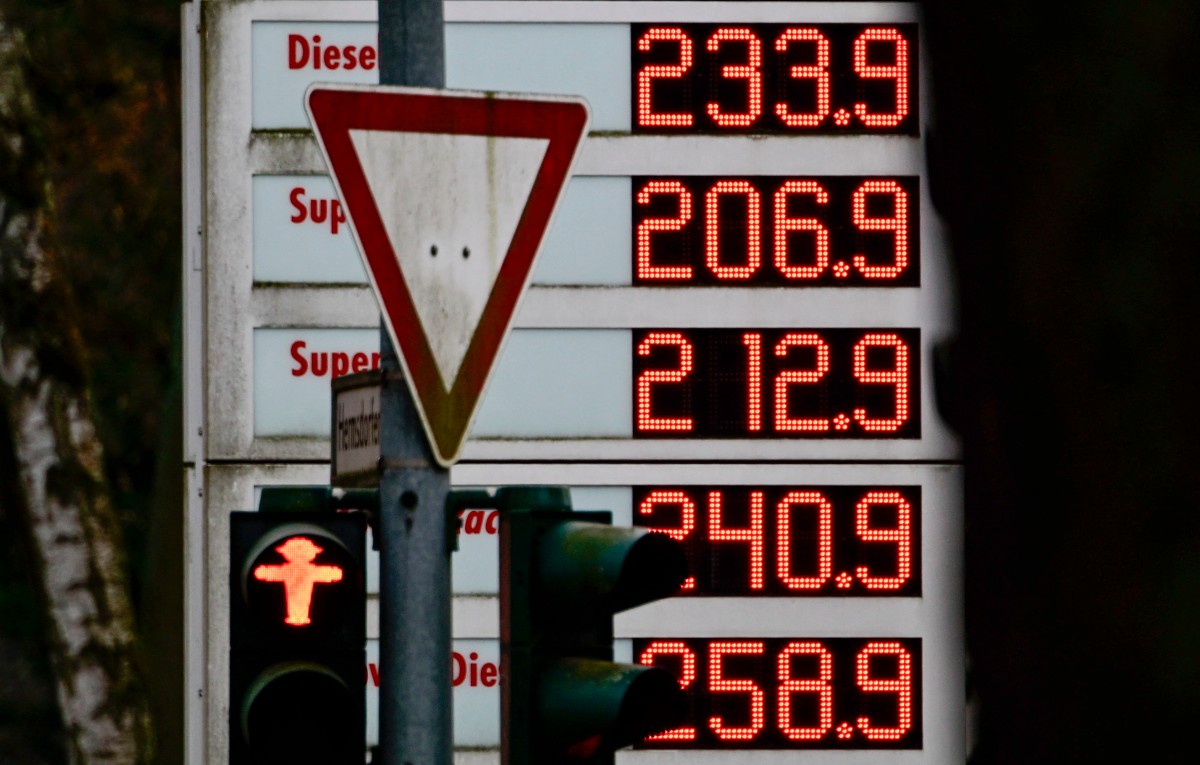
According to a report by BR24, this was confirmed on day one of the new rule taking effect, when fuel prices went up by eight cents per litre on average nationwide at precisely 12 pm.
Trying to buy all of your fuel in the minutes leading up to noon is not without its issues. If too many people aim to do this, then you could find yourself in queue at the gas station, watching the price tick up before you get a chance to fill.
But when possible, refuelling in the late mornings rather than the early afternoons could save some euros at the pump.
READ ALSO:
- Why it pays to exit the Autobahn to refuel in Germany
- Three apps to help drivers in Germany find the cheapest fuel
Drive less and drive slower
'Just drive less' may sound like flippant advice for saving on fuel costs in a time of crisis, but this is among the advice already coming down from the EU commission, as well as officials in various other governments around the world.
Dan Jørgensen, the European commissioner for energy and housing, has advised EU member nations to encourage citizens to follow advice from the International Energy Agency, which includes:
- working from home when possible
- reduce highway speed limits by 10 kilometres per hour
- encourage use of public transport
- alternate private car access
- increase car sharing
For short trips around town, you can completely offset the price of fuel by riding a bike or walking. Or you can usually reduce your costs significantly with public transport, especially if you already have a local transport pass like the Deutschlandticket.
If you must drive, it's worth noting that you'll make your fuel cover more distance if you drive a bit slower. Driving 100 kilometres per hour rather than 130 kilometres per hour can save around 15 to 25 percent on fuel, depending on your car.
READ ALSO: How much money can you get towards buying an EV in Germany this year?
Optimise your vehicle
Beside the speed you drive, paying attention to tyre pressure and aerodynamics can help you cut costs a bit.
Keeping tyres properly inflated has a direct impact on fuel economy – even a small drop in pressure can increase fuel consumption by several percent.
Reducing unnecessary weight also helps, as carrying extra load puts additional strain on the engine.
Roof racks and boxes should only be used when needed, since they significantly increase air resistance, particularly at higher speeds.
Lower the temperature at home
Away from your vehicle, the other place we all use fuel is at home. And when it comes to heating, small adjustments can make a noticeable difference.
Even as spring begins, the weather in Germany is still cool (sometimes even cold). So setting your house temperature down, even just by one degree, can reduce energy consumption by a noticeable amount.
The other major gas-eater in most German homes is hot water. So taking shorter showers, or colder showers if you are so brave, can quickly add up to significant savings.
READ ALSO: Heating subsidies to remain as concerns grow over Germany's soaring energy costs
Comments