
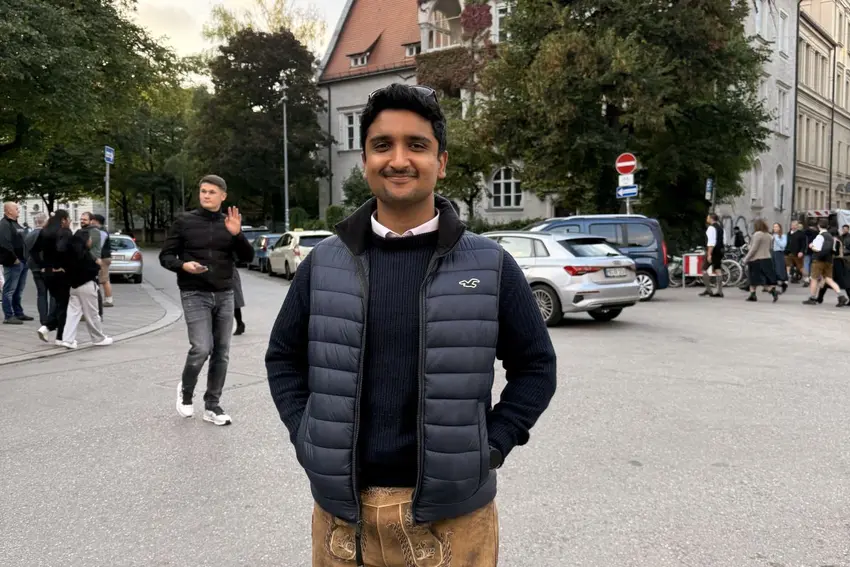
Saad Arshad came to Germany from Pakistan in 2022 and enrolled at a degree programme at a technical university in Munich.
Four years later, he's settled into life here, landed a job and says that his overall experience in Germany has been "really, really positive".
Arshad shares videos about his life in Germany on social media, including tips for people navigating university life or a job search. He says that when he first came to Germany he had a lot of questions that he couldn't find easy answers to, so he hopes sharing his own experiences can make the process a bit easier for others.
The Local spoke with Arshad about his practical advice for people thinking about moving to Germany from abroad, or those who have recently arrived, covering the challenges and the unexpected rewards of building a new life in Deutschland.
'Just speak German'
Asked what he sees as the biggest challenge foreigners face when they first arrive in Germany, Arshad said it's the language.
"I think it's just something you don't realise until you live it," he said, adding that the language barrier means everything from public transportation announcements to daily transactions become a struggle for new arrivals.
"I think people that I know, because they speak good English [as a second language], they also expect that everywhere else will be similar," Arshad explained. "But when you come here, you realise that everything is in German."
READ ALSO: How to get a doctor's appointment in Germany if you don't speak German
Arshad, who recently passed his B1 level German exam, advises new language learners to "just make as many mistakes as you can".
"Forget about the articles. Don't worry about people judging you," he says.
The idea being to practice as much as possible, without being scared of getting things wrong: "Just speak German and apply it as much as you can, and not just to pass the exam but actually to interact with people."
Other than that, his advice is to get ahead by starting your studies as early as possible.
"If you can, definitely learn the language before coming here, maybe up to A- to B1 level. Because then you already have a head start."
READ ALSO: Five ways to learn German for free in Munich
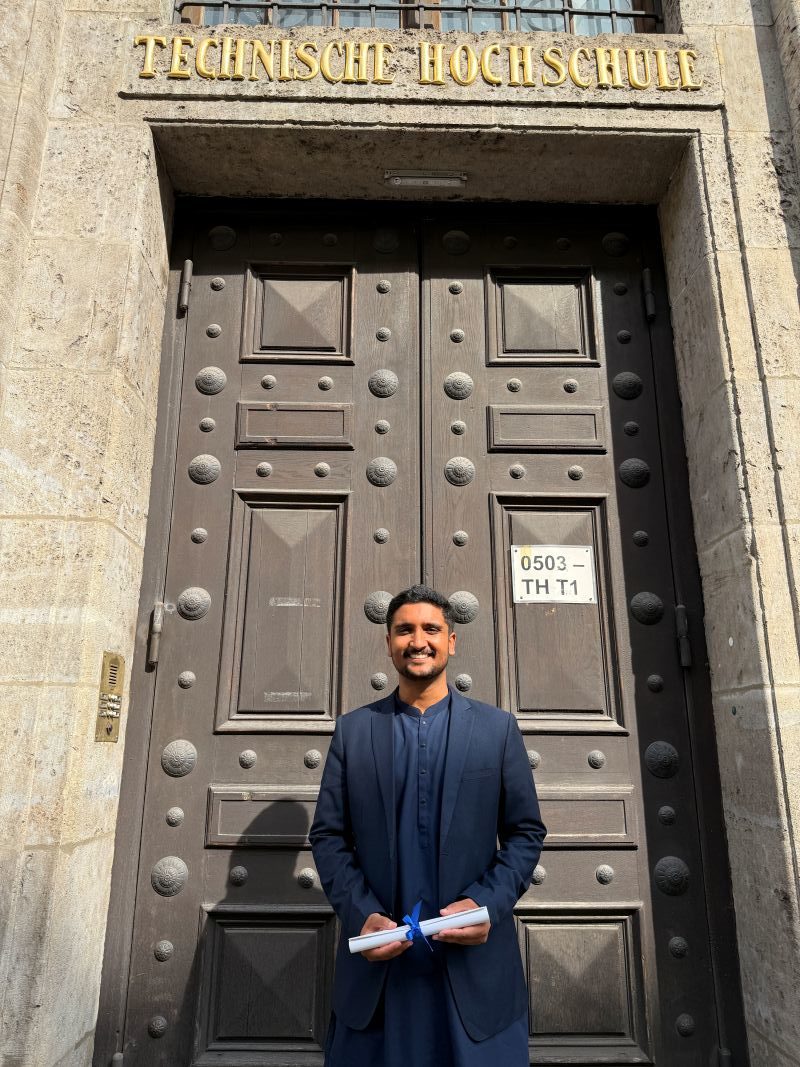
Facing a 'complicated' job market
The next biggest challenge in starting a life in Germany, for many, is finding a job. Especially a skilled job in the field that people have studied for.
"That's the biggest thing that I see people around me struggle with," he says.
Arshad told The Local that he knows people who ultimately left Germany because they could not find a job here that met their expectations.
That some skilled workers, even some who may have studied in Germany, are leaving this country because of a lack of jobs illustrates a widely-publicised problem with the country's labour market: That there is a huge lack of skilled workers but at the same time many entry-level workers find that there aren't many jobs to be found.
"We hear this in the news over and over, that Germany needs skilled workers," Arshad says. "But at the same time, you have people being laid off from jobs or looking for jobs [and not finding them]..."
READ ALSO: Which jobs are desperately needed in Berlin and which are being cut?
In Arshad's view, this seems to stem from a disconnect between the types of jobs German firms are really looking to fill versus the kinds of workers who are seeking work here.
"I think Germany definitely does need workers, but it needs workers in many specific sectors, like nursing or transport," he says.
Within the IT sector, which is also often said to lack large numbers of skilled workers, Arshad thinks there may be even more specific gaps between the kinds of workers that tend to come to Germany versus the jobs that are widely available.
"I think there's more and more pressure on the bottom line to say, 'maybe we don't need as many entry level jobs, maybe we need more mid-level line managers'...So what immigrants hear is 'we need immigrants!' But the reality of the job market here is more complicated."
High level of stability, not necessarily high pay
For those who manage to come to Germany from a foreign country and land a job, some people feel that the salaries offered here aren't as high as they expected.
READ ALSO: What’s a good salary in Germany in 2026?
Arshad suggests that a common starting-level offer positions in the tech and IT sectors in Munich is around €55,000 per year, adding that some people he knows who came from South Asia initially felt that similar offers to this were too low.
From his perspective, however, starting a career in Germany can be seen as a choosing stability rather than a high salary.
"You don't make as much money [in Germany] as you do in places like the US...but a lot of basic things are taken care of," Arshad says, citing health care, public transportation and infrastructure -- all of which work really well in Munich in his experience.
A growing community
Along with settling into school or work, finding a community of like-minded people is always an important part of making a new place feel like home.
Arshad has seen the South Asian community grow in recent years, especially in Germany's larger cities, and this can make finding community much easier for new arrivals from the region.
"When I was at my undergraduate university [in Pakistan] people never really considered Germany to be an education destination...But now more and more people are really taking it seriously," he says.
He said he knows of multiple groups in Munich for Pakistanis and Indians. Anyone from these countries who is new to living in Germany may find that connecting with these groups can help make the transition easier.
"I'm from the Punjab region of Pakistan, if I meet someone from the Punjab region of India, it's really easy to connect because we speak the same language, we eat the same foods, we can understand each other.
"I think the the community is definitely growing...I think it's a net positive."
You can find Arshad's videos on TikTok here.
READ ALSO: 'Germany talks about immigrants integrating... but it goes two ways'
Comments