
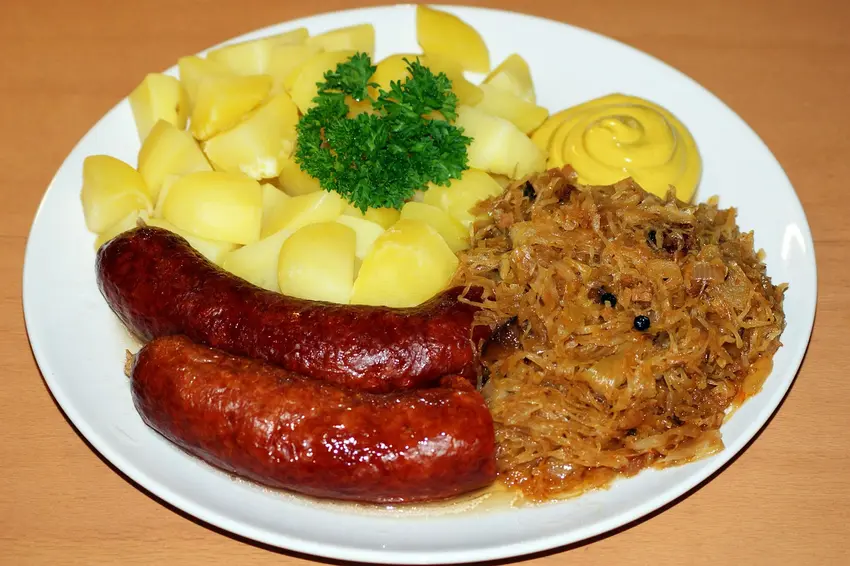
It's fair to say that Germany is not a country famed for its exquisite cuisine. But that doesn’t mean it’s all bad.
In fact, many foreign residents develop a genuine fondness for what’s on offer on Germany’s culinary scene, from quark and potato salad to cheese, Bratwurst and beer.
Of course, German food also varies widely by region -- from Bavaria’s meat-heavy plates to the fish-focused dishes of the north. So many newcomers end up embracing local specialities depending on where they settle.
We asked our readers about which German food and drink habits they'd adopted since moving to the country, and to what extent they were embracing regional specialities or taking part in everyday customs.
Going local
Unsurprisingly, plenty of respondents said they had taken to Kaffee und Kuchen: the German ritual of connecting in the afternoon over coffee and a slice of cake such as Bienenstich or Pflaumenkuchen.
Alvaro, 28, from Costa Rica, who lives in Berlin, said: "Cake with coffee is definitely top."
Alvaro added that his drinking habits have also changed since coming to Germany: "I started drinking way more water rather than in Costa Rica where we normally have other drinks to accompany the food."
The humble potato also emerged as a firm favourite among several readers. Germany is the EU’s largest producer of potatoes, or Kartoffeln, a fact reflected in their central place in the national diet.
Tamy, a Mexican living in Berlin, said they enjoy "Matjes (herring) with onions, gherkins, and potato salad or boiled potatoes".
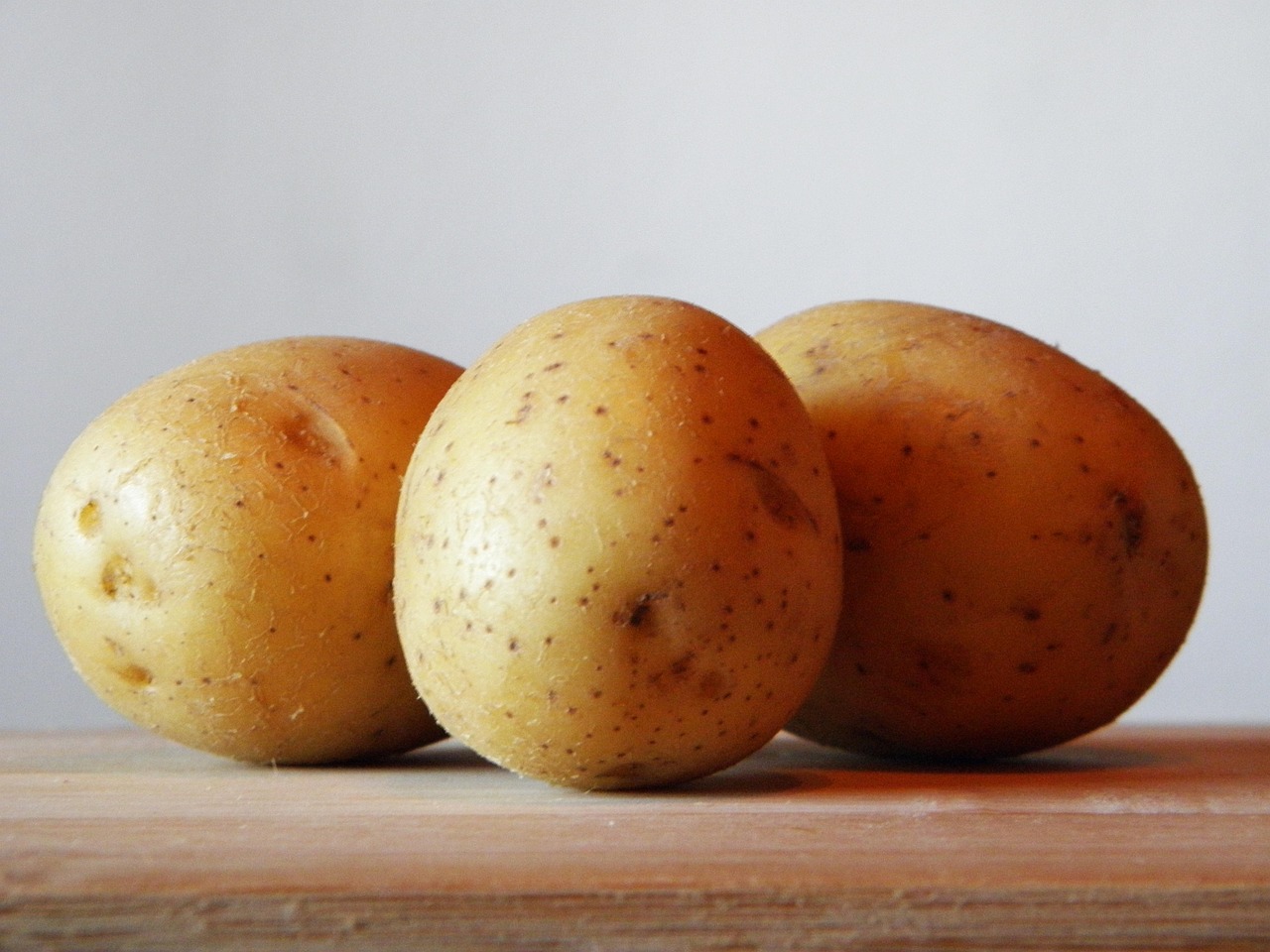
Also on Tamy’s favourites list are potato dumplings with any sauce, potato soup, and cheese Spätzle – on its own or without cheese – as well as lentils. Tamy is impressed by "the variety of flavours and ways of cooking potatoes".
Bread also plays a big role in Germany, a country home to more than 3,000 types of loaves.
Tamy, 63, enjoys a traditional German breakfast of "rolls with plum jam or sour cherry jam and vanilla quark", and praises "the range of flours and seeds used when baking bread rolls".
READ ALSO: How Germany's marvellous bread helped me overcome food anxiety
A few respondents also gave the thumbs up to Berlin’s famous Currywurst, while others said they had developed a taste for Apfelschorle.
Early dinners and social eating
Anwar Donald, who's from India and lives in Essen, has picked up a few German food habits.
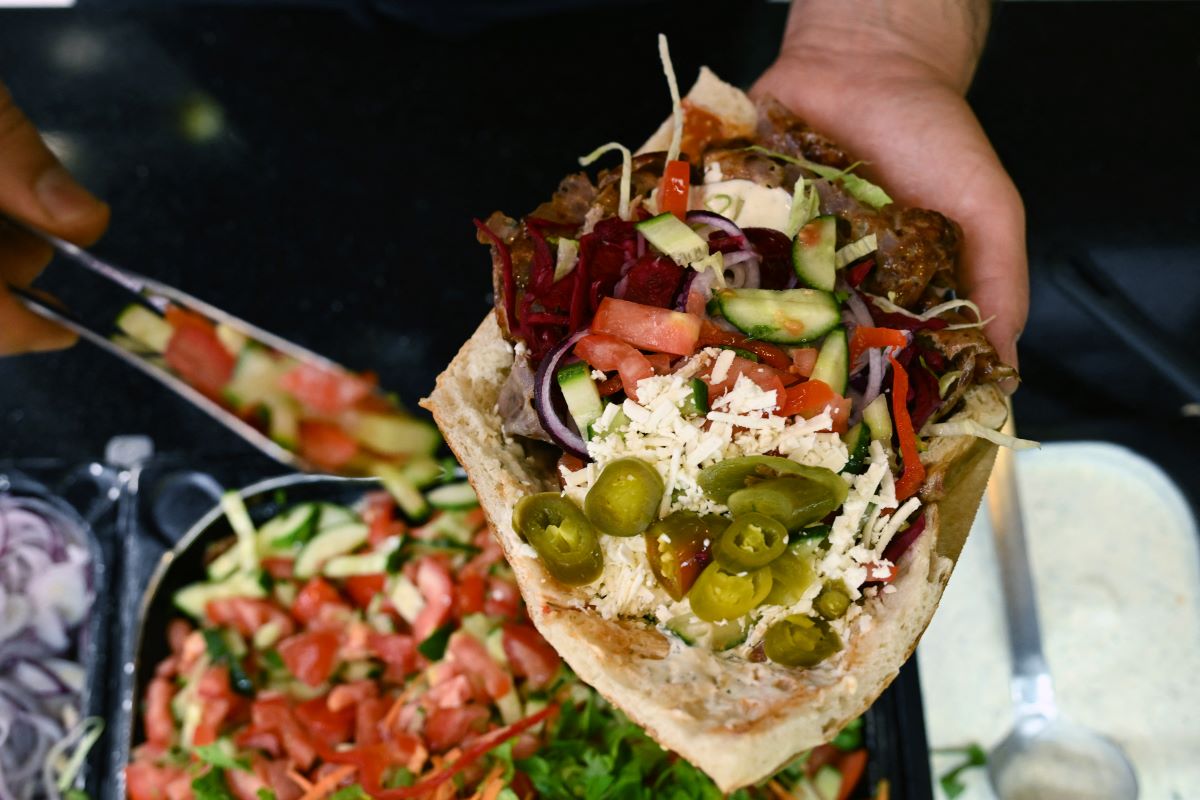
"Döner (kebab) of course was one of the first food I had in Germany," he said. "We also eat a lot of cheese and Bratwurst.
"Another habit we have adopted is eating dinner earlier than usual. But the most interesting one was how we started eating sauerkraut due to its probiotic benefits."
Another respondent based in Gütersloh, who's from Fiji, said they had picked up the habit of cooking hearty meals like cabbage stew and sauerkraut stew, as well as kale with sausage.
Loz and Fin, who are from the UK and now based in the Bavarian Forest, said they enjoy the "social side of eating and drinking outside" such as having Glühwein and Bratwurst at a Christmas market.
They also like other German favourites such as white sausage, pretzels, eggnog and Schnitzel (which is technically Austrian but widely loved in Germany), and praised the country's seasonal approach to food.
The dishes foreigners refuse (and what they get from home)
Foreign residents in Germany are not keen on everything, however.
Loz and Fin in Bavaria said they are reluctant to try the "slaughter bowl", or Schlachtschüssel, a Franconian tradition involving freshly cooked meat.
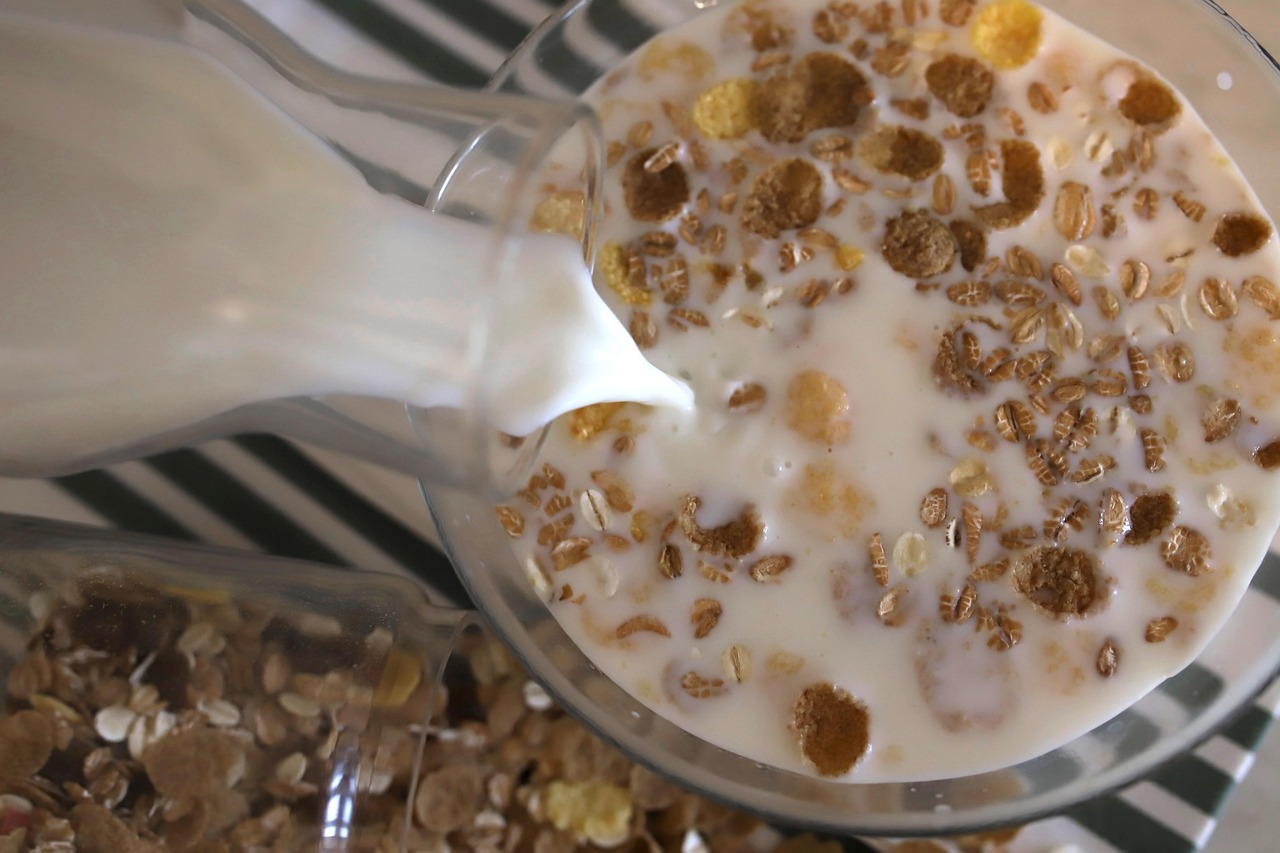
Tamy in Berlin said they were "neither a fan of Currywurst nor of Muesli in any variety", adding: "I think I’ve just lost my right to German citizenship".
Tamy said they can’t live without corn tortillas, hummus, pittas, spicy food, guacamole, quesadillas, olive paste or, indeed, hot food in general. "I get some of my groceries at a local African, Asian and Latin American supermarket," Tamy said.
Anwar in Essen said he can’t get used to Abendbrot or "evening bread" and he's also not a fan of having cold cuts in the morning for breakfast".
READ ALSO: Is Germany falling out of love with Abendbrot?
Nic, 60, from the UK and living in Otterndorf, Lower Saxony, eats most German food but some habits die hard.
He said he "occasionally" gets fish and chips and likes "vinegar on some foods which is rarely used in Germany".
Meanwhile, a 75-year-old reader from the UK living in Breisach in the Rhine Valley said he can't live without the British savoury spread Marmite. Luckily his local Edeka now stocks it, or he gets it delivered online.
Thanks to everyone who contributed to the survey. If you didn't get a chance to respond, please feel free to add your favourite (or least favourite) German foods in the comments below.
Comments