

Whether you are looking for a job, want to change industries or have your eye on Germany as a place to find new career opportunities, we've rounded up some trends affecting the job market this year.
Workers want job security
It's fair to say that Germany's labour market hasn't exactly been thriving of late – and unfortunately, this is expected to continue.
The number of job vacancies has almost halved since its peak in 2022, and is even lower than pre-Covid times.
"What is particularly dramatic is that fewer new jobs are being advertised than ever before," Enzo Weber from the Institute for Employment Research (IAB), told German business newspaper Handelsblatt in a report earlier in January.
This makes it a difficult market and means that many people are prioritising stable positions rather than giving up a job they don't like to or going freelance.
"Employees are looking for reliable conditions," said labour market expert Julius Probst from recruitment portal Stepstone.
Jobs that offer security are therefore likely to remain highly competitive in 2026, especially if they come with a decent salary and the opportunity to work flexibly.
READ ALSO: Five hard truths foreign jobseekers need to know
Remote/flexible working is not as easy
When it comes to flexible working, employees may have to take a step back in 2026. The range of remote work options is declining slightly, studies by the job portal Indeed suggest, with employers having the upper hand.
According to the latest data, flexible arrangements are only offered in around 14.1 percent of all job advertisements at the moment, with flexible working hours only offered in 19 percent.
At the beginning of 2025, the proportion of jobs offering 'home office' options was 14.7 percent, while 20.2 percent of ads mentioned flexible working hours.

It may be because more roles where in-person attendance is required are being advertised. These include sectors like construction, health, care and defence, where remote work and flexibility are difficult to implement.
The takeaway is: it's not impossible but remote working isn't as accessible.
"Working from home is changing from the norm to a negotiable benefit," said Virginia Sondergeld, an economist at Indeed Hiring Lab.
This is a tend seen across the world as many managers have implemented mandatory office attendance following relaxed rules during the pandemic era.
READ ALSO: Where most jobs are expected to be cut in 2026
AI is important – but it's not wiping out all jobs in Germany
Unless you've been living under a rock, you'll be aware that everyone is talking about generative AI, known as KI (Künstliche Intelligenz) in German.
So how is AI affecting the labour market in Germany? Several companies, such as Microsoft and Amazon, which employ people in Germany, have cited AI as the main reason for recent redundancies.
But it's not all bad news. "While the number of job ads is declining overall in areas such as marketing, HR and project management, the demand for AI skills in these very professions is exploding," said Sondergeld.
Importantly, we're not seeing mass layoffs across the board. A recent study by the IAB found that AI could see 800,000 jobs lost by 2040, but the same study said AI will create around 800,000 new jobs during the same period.
The IAB study authors said the technology could even help increase Germany's GDP by 0.8 percentage points annually.
Enzo Weber described AI as "the technology of our time that can be used across all areas".
He added: "It will take on more and more tasks, but there will be a transformation in the job market, not a collapse.”
Meanwhile, economist Julius Probst said jobs that require empathy and interpersonal skills will not be affected.
It essentially means an understanding of AI will be important in 2026, but it's not needed everywhere.
Career changers are in demand as worker shortage grows
If you've been looking to take on new skills or move to a different sector altogether, now is the time.
As The Local has reported, Quereinsteiger (career-changers) are in demand. These people enter a new profession without the traditional qualifications and experience from that field.
READ ALSO: Why demand for 'career changers' is rising sharply in Germany
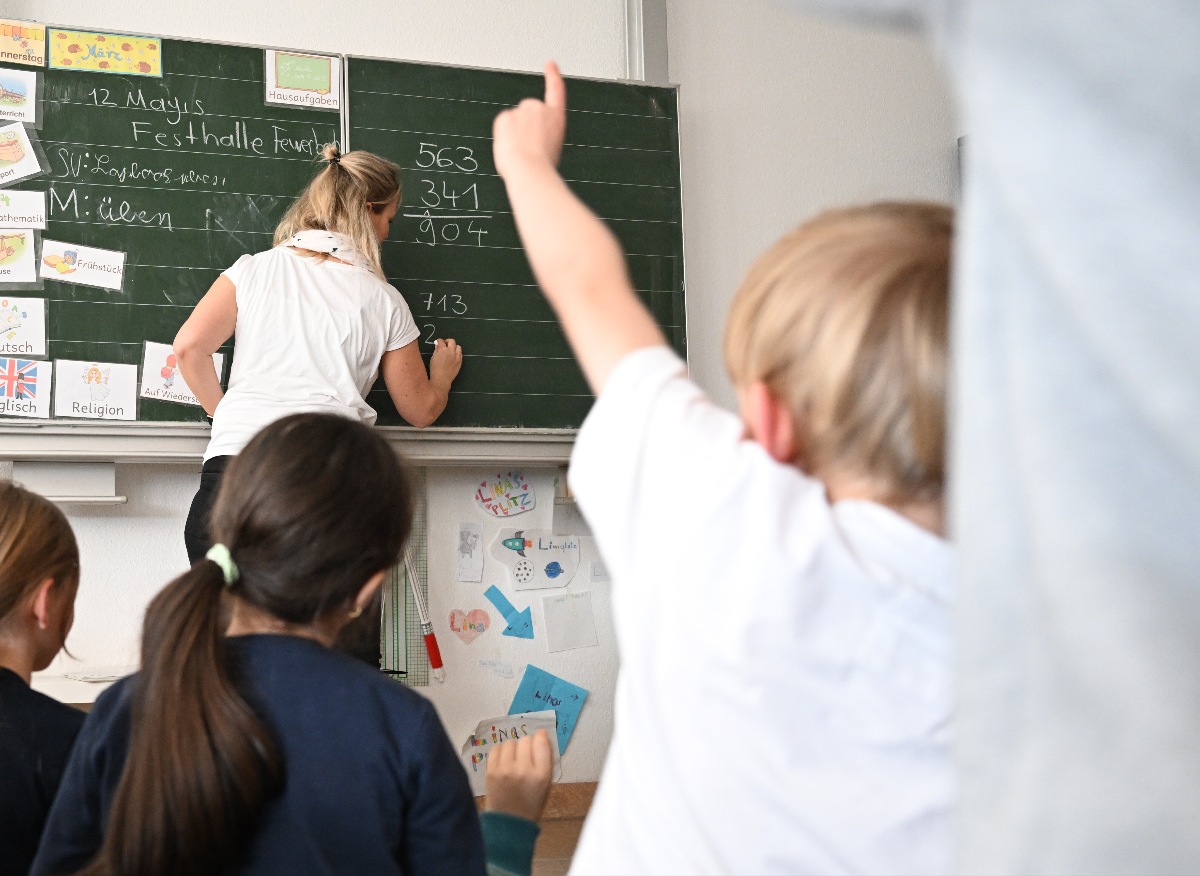
But that's exactly why they are sought after. HR managers like that they bring their experience and perspectives from other industries.
With Germany facing an ever-growing shortage of skilled workers, there are plenty of opportunities out there for those willing to be flexible.
Many companies are moving toward skills-based hiring: hiring practices that value practical skills over formal qualifications.
"In 2026, for the first time, fewer people will be entering the labour market in Germany than leaving it," said economist Probst. "This is another reason why skills are becoming more important than formal qualifications."
International workers are needed
Speaking of the labour shortage, 2026 will also see red tape eased in a bid to attract foreigners with in-demand skills to Germany.
The new Work and Stay Agency, due to launch this year and be implemented over the coming years, is expected to offer faster procedures, clearer guidance and a single point of contact for people looking to live and work in the country.
Billed as a “one-stop government”, it will link visa offices, the Federal Employment Agency and local immigration authorities.
The coalition government initiative is a response to Germany’s shifting demographics, as a wave of retirements shrinks the workforce and deepens pressure on the economy and social security system.
READ ALSO: The planned changes to immigration and citizenship in Germany in 2026
Wages are rising and becoming more transparent
In January, Germany's minimum wage rose by 8.4 percent.
"This is having a particular impact in low-wage sectors such as catering and agriculture," said Weber.
And even employees who earn more can expect an increase, albeit a small one.
"Wages have recently risen by almost five percent. However, the increase will be smaller because the economic situation is difficult and the days of high inflation compensation are over," added Weber.
Wage transparency will also be an important issue in 2026. EU member states must implement the EU Pay Transparency Directive into national law by June 7th, 2026.
German companies need to catch up. Employers will soon have to tell applicants the starting salary or salary range either in the job ad or before the first interview.
Employees can also request information about their individual pay and the average pay for comparable jobs (broken down by gender).
Comments