
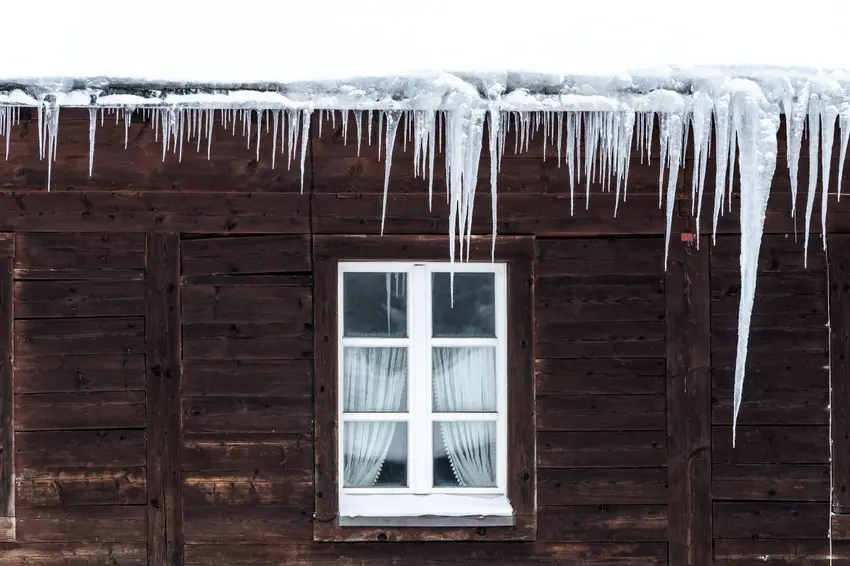
Around 30,000 households in Berlin were still without electricity or heating on Monday following a suspected arson attack that cut power to several neighbourhoods around the city's south-western Steglitz-Zehlendorf district.
The unexpected loss of power at home can be a severe inconvenience at the best of times, but during freezing weather it can lead to dangerous situations for people who are unable to keep their homes warm.
Emergency shelters and warming rooms are in place for those affected in Berlin, but for those who insist on riding it out at home, there are a few tricks that can help keep your home warm even when the power is out.
And even for those whose power supply remains in tact, the following tips could help you avoid turning up the thermostat as much or as often, thus saving you a bit on your energy bill.
Make a DIY tea light candle heater
It may sound crazy, but you can make a heater powerful enough to raise the temperature of a small apartment by a few degrees with just a few tea light candles and a couple of terra-cotta plant pots.
There are a few different ways to set up this kind of heater, some of which involve a bit more construction than others. The basic idea is to suspend a pot upside down over three or four small candles. The pot then absorbs the heat coming off the candles and radiates it outwards.
It works best if you have a second clay pot that can be placed over the inside pot with a bit of air space between the two. This allows air to circulate between the two pots and more effectively disperses the heat.
You can find various guides for making this kind of heater with different materials online. This video shows one of the simpler ways to do it.
The non-negotiable detail here is that your heater needs to have a solid, fire- and heat-proof base -- like a stone slab or a layer of bricks, so that there is no risk of your candles burning the table below or starting a fire.
Also, note that a small tea-light candle powered heater probably won't be enough to heat your whole flat if you live in a larger apartment. If you have multiple rooms in your home, you might consider setting up a heat source like this in a smaller room and hunkering down in there to stay warm.
Use the fireplace if you have one
If you live in a house with a fireplace, starting a fire there can be a great electricity-free heat source.
If you haven't used it before, however, you should double check that it's still usable, i.e. that the chimney is clear and that the flue still opens to let the smoke out of your home.
Also note that Germany does have emissions regulations that apply to fireplaces. So if you rent a home with an older fireplace, you should check with your landlord that it's legally operable.
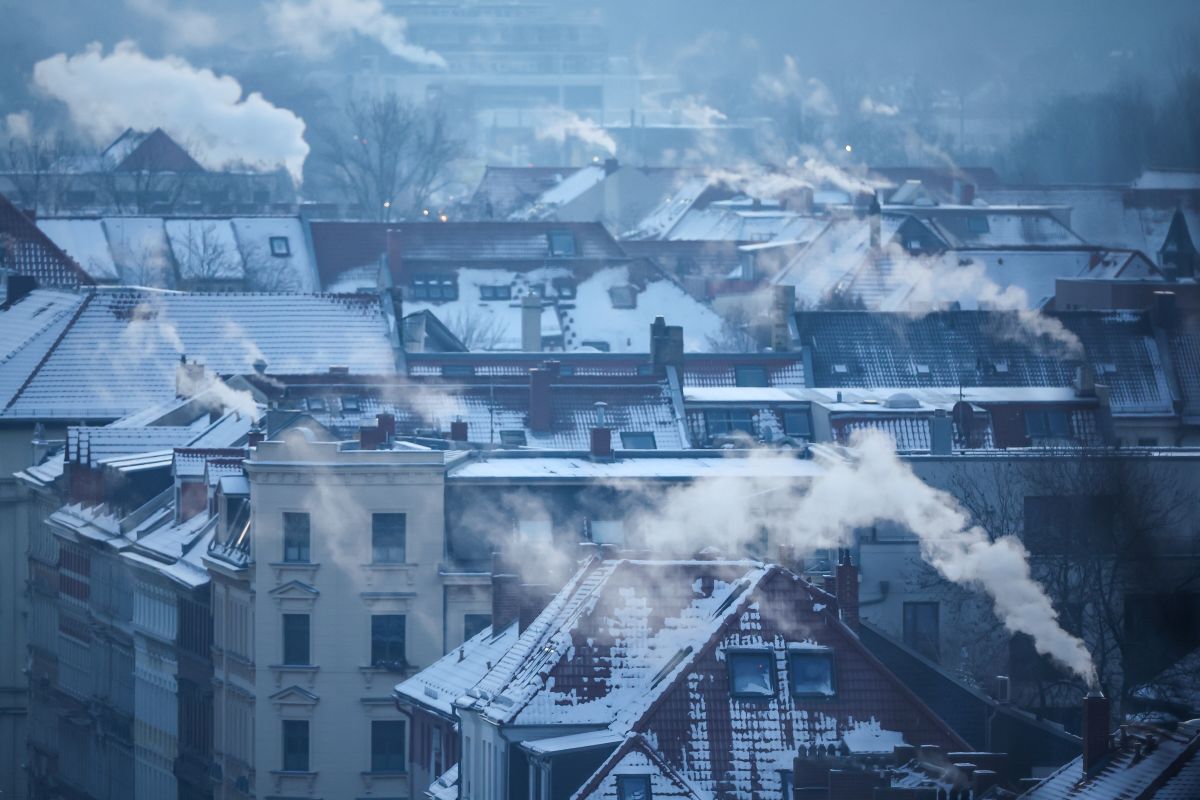
Maximise insulation
Whether you have a heat source or not, keeping any amount of warmth in your home, and keeping the cold out, is all about maximising insulation.
German homes do tend to be relatively well insulated, but there are some tricks you can do to further insulate yourself from the cold in a pinch.
First you can close the doors to any rooms you're not immediately using. Keeping rooms closed off allows heat to collect more efficiently in the room(s) you're using. If you have an entryway without a door, you might consider draping a blanket or curtain in front of it.
If you have any spare carpets or rugs lying around, you'll want to roll those out over any vinyl or hardwood flooring to add an extra layer of insulation underfoot. Thick blankets also work here.
You can also try to seal off the cracks around doors and windows with caulk, weather stripping or duct tape. Of course be mindful not to apply anything that would seat them shut if you need to open them again soon.
Lastly if you have a tent and and an inflatable ground mat or sleeping bags, you might consider setting up camp inside your home. Tents and especially sleeping bags are designed to retain body heat, so sleeping or resting in here will likely be warmer than sitting on your couch.
READ ALSO: Seven expert tips to reduce your heating bills in Germany
Other tips
The obvious tip here, but one that's worth repeating, is that wearing more layers should be step number one. Your clothes are insulation for your body, so put on your winter coat while you wait for your tea-light candle heater to warm up.
Getting your blood pumping also helps you get your core temperature up, so you can take a walk around your home or do some exercises to warm up.
Keep in mind that heat rises, so if you have a ceiling fan that can be run in reverse this can help push warm air from the ceiling back down to your living space. For the same reason, if you have a multi-story home or a loft space, you may want to set yourself up to spend more time upstairs.
Lastly, when the sun is shining you'll want to open up your curtains and blinds to let in a bit of solar radiation. At night, however, or whenever the sun is not shining, you'll be better off insulating your windows with whatever curtains and shutters you have.
Comments