
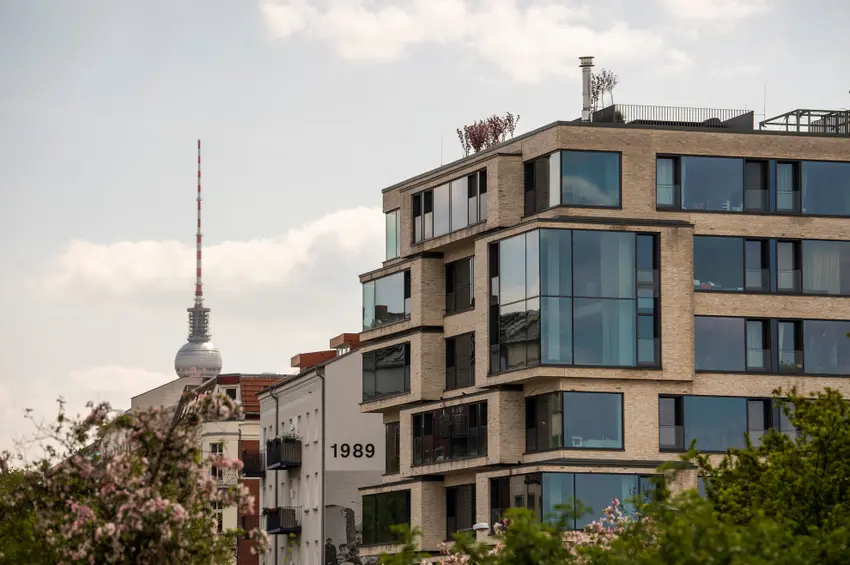
Whether you rent, own or let property it pays to stay alert.
If you’re planning to sell, buy, renovate or invest, being proactive could save you money and stress.
And if you’re a tenant, remember to keep an eye on your rent and Nebenkosten, and don’t hesitate to ask your landlord about any new charges or obligations.
Here’s what you need to know – and where you may need to act.
Rent controls and rent index
Renters and landlords alike should note that Germany’s rent brake (Mietpreisbremse) has been extended until at least the end of 2029 in designated tight housing markets.
This means that new rental contracts can’t exceed the local comparative rent by more than 10 percent, and tenants can claim back overcharged rent for up to 30 months after their contract begins – even without a prior complaint.
Rent indexes (Mietspiegel) are now mandatory and updated every two years, making rent increases more transparent and legally clear.
There are also welcome indications that state governments may become more proactive when it comes to issuing fines against landlords who overcharge tenants, as well as new services encouraging tenants to report excessively high rents.
READ ALSO:
- Almost all rents in Berlin found to be illegally high
- 'Completely new' - What the first fine for excessive rent in Berlin means for tenants
Property tax reform
The property tax reform, based on 2022 valuations, is now fully in effect.
Municipalities set their own assessment rates (Hebesätze), and some owners are seeing significant increases – up to €1,000 per year in some cases.
Landlords can pass these costs on to tenants via service charges (Nebenkosten), currently averaging about 18 cents per square metre monthly.
Most big-city assessments have now been issued, reducing uncertainty for many households, but if you haven’t received yours, keep an eye on your post.
READ ALSO: Germany's highest fiscal court confirms new property tax rules
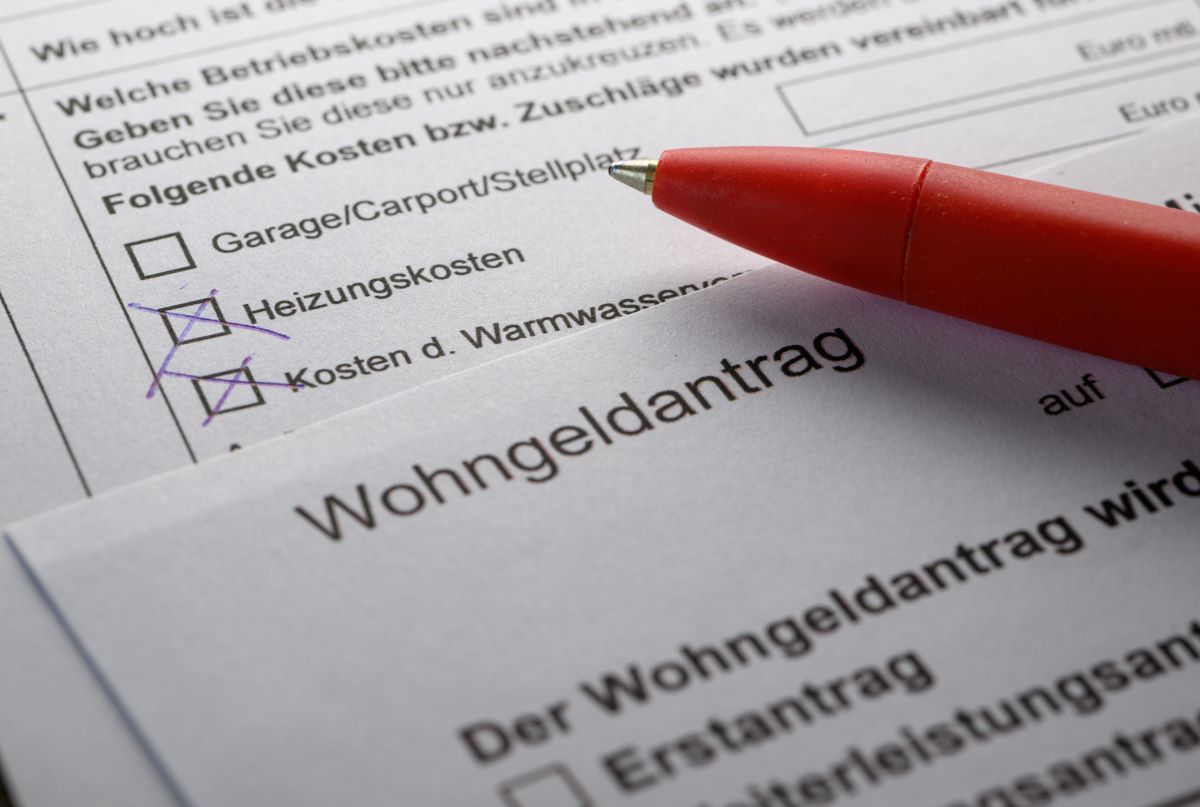
No increase in the housing benefit (Wohngeld)
After a substantial increase in 2025 (about €30 extra per month for low-income households), Wohngeld remains stable in 2026.
The next review is scheduled for 2027, so if you’re a minimum-wage worker or pensioner struggling with rent or mortgage payments, your support should continue unchanged for the next year at least.
CO2 tax and energy costs
Germany’s CO2 tax, fixed at €55 per tonne in 2025, will shift to an auction-based system with a €55 – €65 price corridor in 2026 for heating and transport fuels.
This is likely to push up costs for gas- and oil-heated homes – either through higher energy bills for homeowners or increased Nebenkosten for renters.
If you’re renting a low-efficiency property, your landlord may be liable for up to 95 percent of the CO2 cost but expect some of these costs to be passed on.
Heating law, municipal heat planning and transition periods
Next year marks a turning point for heating rules. The Building Energy Act (GEG) remains in force, but now mandatory municipal heat planning comes into play.
Large cities must submit their plans by June 30th, 2026, and smaller municipalities by 2028.
These plans will determine which renewable heating technologies – such as heat pumps, biomass, solar thermal, or hybrid systems – will be permitted in each region.
Existing fossil fuel heating systems can continue to operate, and even irreparable systems may be replaced with new fossil fuel systems, provided they can use increasing proportions of renewable energy from 2029.
READ ALSO: Heating subsidies to remain as concerns grow over Germany's soaring energy costs
The obligation to replace old constant-temperature boilers which are more than 30 years old remains, with exceptions for long-term owner-occupiers.
If you’re planning a new installation, be aware that from 2029, new oil or gas systems must use more renewables.
Subsidies for renovation and heating
Federal subsidies for comprehensive energy-efficient renovations (BEG) are being significantly reduced in 2026, with the budget dropping from around €15.3 billion to between €12 and €12.6 billion.
While this may lead to temporary programme halts or longer waiting times, subsidies for heating system replacement via KfW and BAFA should remain stable, with a basic rate of 30 percent.
Low-income households can receive an additional 30 percent income bonus, and a climate speed bonus of 20 percent is available for particularly efficient systems, making up to 70 percent subsidy possible.
But remember, applications must be submitted before awarding contracts and an energy efficiency expert must be involved.
READ ALSO: Seven expert tips to reduce your heating bills in Germany
Renovation obligations when ownership changes
If you’re buying a single-family or two-family home, be prepared: new owners are often obliged to carry out energy-efficient renovations within two years, especially for heating systems and building envelopes. This includes insulating top floor ceilings and hot water pipes.
While these obligations have been in place for some time, their scope is expected to become broader and their enforcement stricter as a new EU directive is brought into German law (by May 2026).
Long-term homeowners and owners of listed properties are generally exempt from these obligations.
READ ALSO:
- How much do you need to earn to rent an apartment in Germany?
- How much do you need to earn to buy a home in Germany in autumn 2025?
The solar obligation
While there is no nationwide solar obligation for 2026, several federal states are extending or introducing requirements, especially for new buildings, roof renovations and public buildings.
For example, Baden-Württemberg, Bavaria, and Rhineland-Palatinate are expanding obligations for private and commercial buildings. Owners should check their state’s rules and available KfW subsidies.
Smart meter rollout
Mandatory smart meters are being rolled out in 2026 for households using more than 6,000 kWh per year, as well as those with photovoltaic systems, heat pumps or electric vehicles installed after 2024.
Households with average consumption (around 4,000 kWh) can request a smart meter, with a fee cap of about €20 per year. The government is aiming for 50 percent coverage by 2028 and 95 percent by 2030.

The housing shortage and market pressures
Germany continues to miss its housebuilding targets, with only about 240,000 of the planned 400,000 new homes expected to be completed in 2026, putting upward pressure on rents and making it harder to find affordable housing or to move.
READ ALSO: Will the newly approved 'Bau-Turbo' help solve Germany's housing crisis?
Insurance premiums
Premiums for residential building and natural hazard insurance are expected to rise in 2026, partly due to increased risks from climate change and extreme weather events.
Homeowners and tenants should review their policies to ensure adequate coverage, as only about 57 percent of buildings in Germany are insured against natural hazards.
READ ALSO: Where in Germany residents have been forced to move by extreme weather
Tax allowances and rental income
The basic income tax allowance is set to increase slightly in 2026, with final figures to be determined in the Annual Tax Act.
Rental income counts as taxable income and reduces the allowance after deducting expenses. This means rental income is not exempt but is included in the calculation of taxable income.
Support for ‘age-appropriate’ conversions
Support for age-appropriate and accessibility renovations is returning, with KfW loans for (typically 2.3–3.3 percent interest) of up to €50,000 available for alterations designed to adjust properties to the needs of older or disabled residents.
But bear in mind that there’s no legal entitlement to these subsidies, and payouts are subject to sufficient funds being available in the federal budget.
Comments