
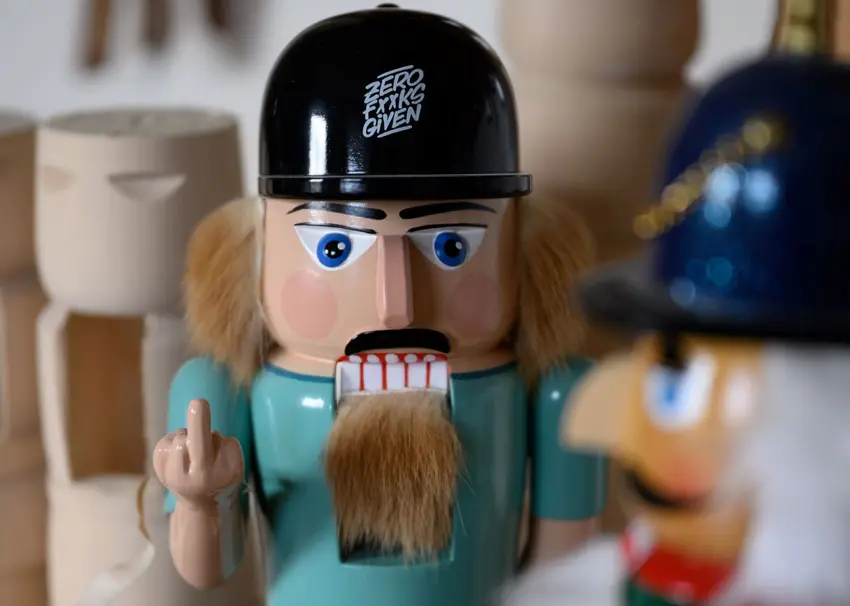
If you thought nutcrackers were just quaint Christmas decorations, think again. In the small town of Seiffen, nestled in the Ore Mountains (Erzgebirge), master craftsman Markus Füchtner has caused quite a stir with his latest creation: the Stinkefinger nutcracker.
For those not fluent in German slang, Stinkefinger translates into English as “middle finger”.
Füchtner’s inspiration reportedly came at breakfast one morning, when he spotted a cheap, mass-produced nutcracker from China advertised for €12.99 in a local brochure.
Outraged by what he saw as an affront to authentic German craftsmanship, Füchtner took to his lathe and created a very modern nutcracker figure in sports shorts and a baseball cap.
The new nutcracker is also unmistakably flipping the bird at his cheaper rivals.
A modern rebel with historic roots
Only 15 Stinkefinger rebels have been made so far. The project was a collaboration with “Boys from the Wood,” a group of young locals keen to celebrate and modernise Ore Mountain traditions.
But this isn’t just a modern gimmick. In fact, the nutcracker’s satirical spirit runs deep – and the Füchtner family has been at the heart of it for generations.
Markus Füchtner’s direct ancestor, Friedrich Wilhelm Füchtner, is widely regarded as the “father of the nutcracker.” In 1872, Friedrich Wilhelm pioneered the production of nutcrackers in Seiffen, using lathes to create the iconic wooden multi-piece soldier design that is still made today.
But the original nutcrackers were never just decorative. They were satirical, poking fun at authority figures such as kings, soldiers and police officers by reducing them to the humble task of cracking nuts for the common folk.
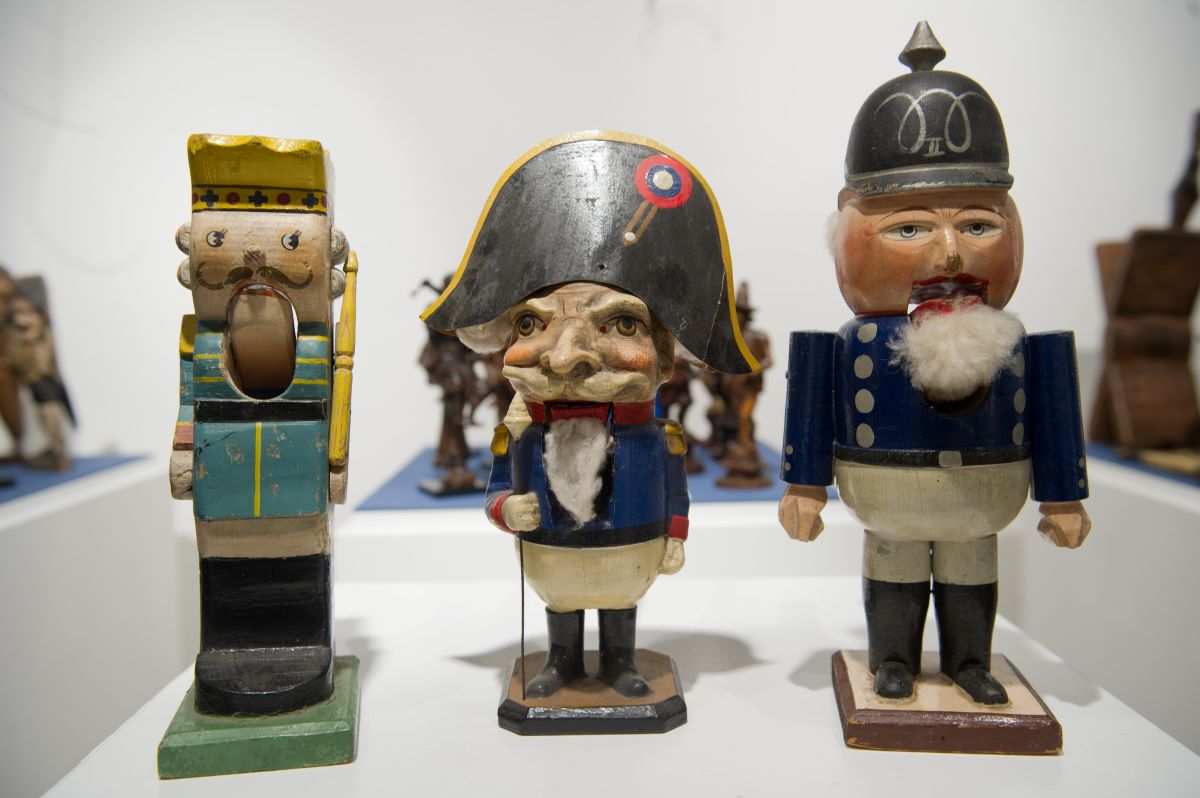
The exaggerated grimaces and military uniforms were a form of social commentary, a way for ordinary people to thumb their noses at those in power.
READ ALSO: Christmas calendar - All the German holiday traditions you wont want to miss
Where do the original nutcrackers come from?
To understand the nutcracker’s rebellious roots, you need to travel to the Ore Mountains, a region straddling the border between Saxony and Bohemia (in the modern day Czech Republic).
Seiffen, known as the "toy village," is the heart of this tradition. In the late seventeenth and early eighteenth centuries, the closure of the region’s silver mines left many families out of work.
Resourceful locals turned to woodcarving, crafting toys and tools to make ends meet during the harsh winters.
READ ALSO: German Advent word of the day - Feuerzangenbowle
It was in this context that the nutcracker evolved from a simple device into a decorative figure. The satirical element was no accident.
By depicting kings and soldiers cracking nuts with their teeth, the artisans were making a pointed statement about a desired reversal of the social order: The mighty were made low and forced to serve the needs of ordinary people. It was a subtle but unmistakable act of rebellion.
From satire to Christmas icon
So how did these subversive figures become beloved Christmas gifts?
The nutcracker’s place in German culture was ultimately cemented by the writer E.T.A. Hoffmann, author of a dark and fantastical tale called "The Nutcracker and Mouse King".
Written in 1816, it tells the story of Marie Stahlbaum, a young girl whose life is upended by a magical nutcracker, leading her into a world of imagination and menace. The tale features a seven-headed mouse king, horrible parents and a backstory for the nutcracker toy which includes curses and beheadings.
The popularity of nutcrackers soared in the 19th century – not just in Germany but in neighbouring countries too. Soon, they were being given as tokens of good luck and protection.
READ ALSO: Gift guide - The best Christmas presents to buy in Germany
Then French author Alexandre Dumas adapted the aforementioned story, softening its edges before Tchaikovsky’s ballet finally made the nutcracker a global icon and a symbol of Christmas wonder – this repackaging of a classic German tale was similar to how Disney sanitised several of the stories collected by the Grimm brothers.
Underneath it all, however, the German nutcracker has always been a symbol of rebellion, wit and resilience – not just for cracking nuts, but for cracking a smile at authority too.
Markus Füchtner’s first run of 15 Stinkefinger nutcrackers sold out in no time, and he’s considering making more.
But whether this newest wave of defiant nutcrackers can hold back the tide of cheap imports is another question entirely.
Comments