

Tuesday's top story: Moment of truth for the government's pension plan
A test vote on Tuesday afternoon is to determine exactly how confident the black-red coalition government should feel about passing its pension plan in the Bundestag.
The Young Union group, which has so far been critical of the pension plan that the governing coalition intends to bring forward, includes 18 MPs. Whereas the black-red coalition has a majority of just 12 MPs.
So if the young group of lawmakers remains united in their opposition of the pension plan it could reject it in a parliament vote, which would spell disaster for Merz and the federal coalition – and theoretically even trigger a confidence vote.
The Young Union has so far rejected the pension package put together by Labour Minister Bärbel Bas (SPD) and adopted by the federal government.
The package aims to maintain the pension level at 48 percent, whereas the younger conservative lawmakers see this at coming at too great a cost for Germany's younger generations.
The leaders of the Union and SPD nevertheless decided on Friday in the coalition committee not to change the draft law. The compromise they offered instead is that a pension commission should start preparations for a major reform, and present proposals by mid-2026.
OPINION: Why Germany’s pensions problems will soon be your problem
Merz says 'no dictated peace' for Ukraine
German Chancellor Friedrich Merz said Monday that there must be "no dictated peace" in Ukraine and that Kyiv and its European allies must be involved in any deal to end the war.
"We have a clear course of action: No decision on Ukraine and Europe without Ukrainians and without Europeans," Merz said alongside Polish Prime Minister Donald Tusk in Berlin, shortly after speaking by phone with Ukrainian President Volodymyr Zelensky and other European leaders including French President Emmanuel Macron.
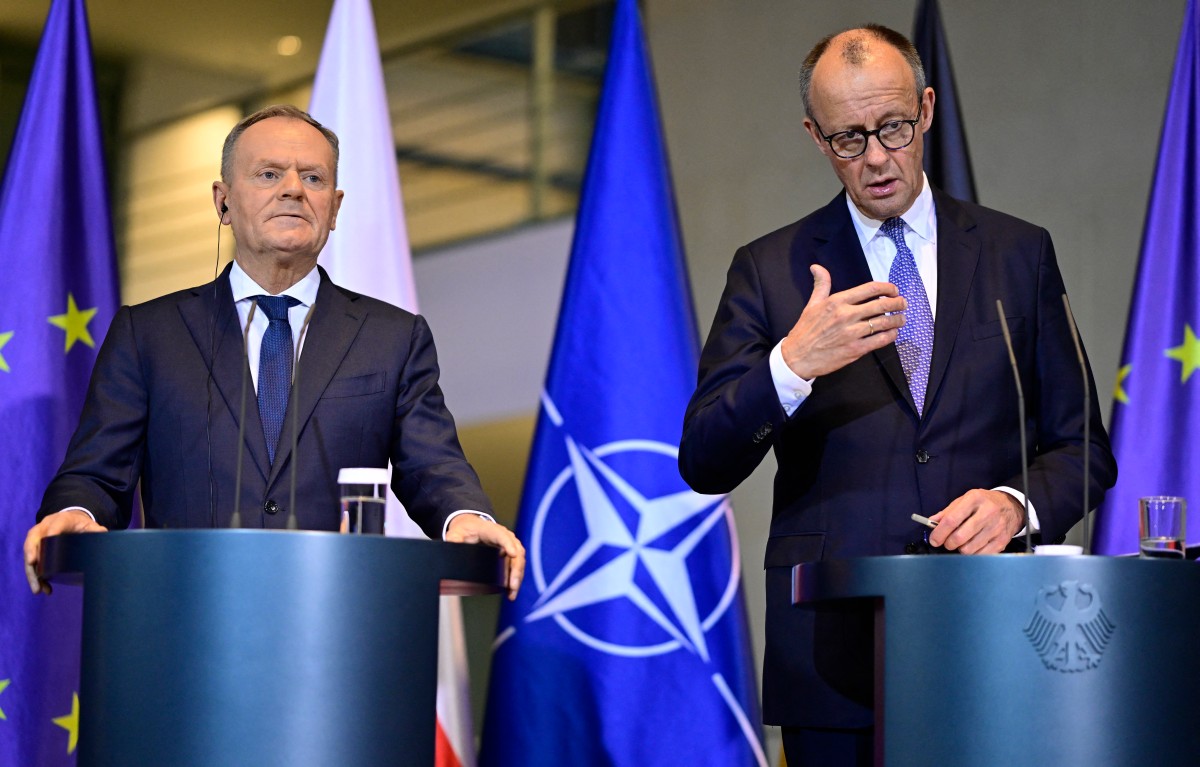
"No dictated peace over the heads of Ukrainians. No weakening or division of the European Union and NATO," Merz added ahead of a meeting expected Tuesday between Russia's President Vladimir Putin and US envoy Steve Witkoff.
Zelensky joined the call from Paris, where he was visiting Macron. Earlier on Monday, the two leaders spoke directly with Witkoff and Ukrainian negotiator Rustem Umerov, according to the French president's office.
Tusk said in Berlin that the leaders on the call showed "complete unanimity" on continuing to fully support Ukraine in the fight against Russia, according to the simultaneous translation.
Merz stressed the stakes of the conflict in Ukraine, saying that "the unity of Europe is also at stake".
The chancellor said that Germany, Poland, France, the United Kingdom and other major European countries "bear a special responsibility to ensure that nothing and no one drives a wedge into Europe".
Health minister speaks out against AfD misogyny
Health Minister Nina Warken of the conservative Christian Democrats (CDU), who chairs the party's women's wing, has accused Alternative for Germany (AfD) MPs of routinely hurling degrading and sexist insults at female MPs in the Bundestag.
Sitting near the AfD benches, Warken told the RND network she overhears far more offensive remarks than make it into the official record – comments targeting women's appearance and clothing, not just their politics.
"These are shocking insults that undermine parliamentary dignity," she said, demanding cross-party condemnation of such behaviour and vowing no MP should feel intimidated.
Warken argued the incidents reveal an AfD worldview incompatible with modern Germany, calling for united action to stamp it out.
READ ALSO: Widespread pushback to Alternative for Germany as party calls for more 'remigration'
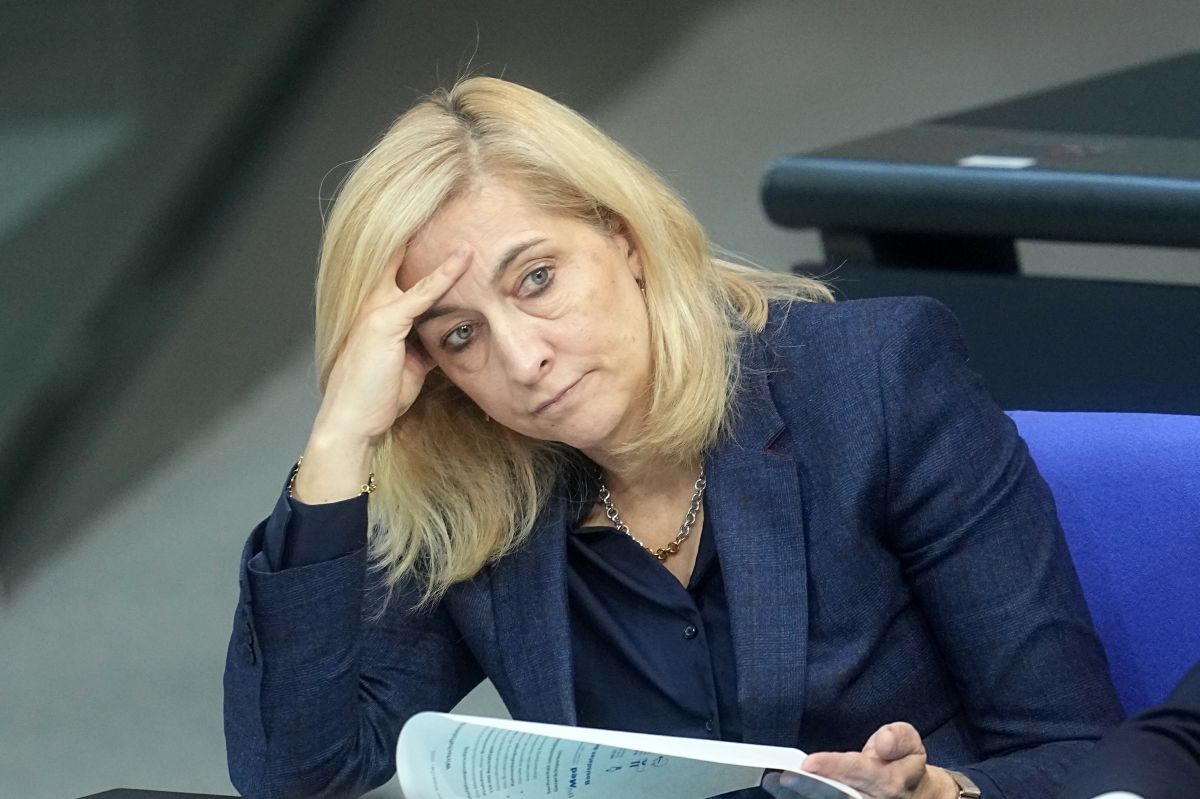
The claims echo longstanding complaints from female politicians across parties about AfD-driven misogyny in the chamber.
Schools to protest against return of military service
Students across nearly 90 locations plan to protest against the proposed compulsory military service law on Friday to coincide with a Bundestag vote on the legislation, according to campaign websites.
Demonstrations are scheduled in Potsdam at 10 am and Cottbus at 1:30 pm, with many other local actions organised nationwide.
The student alliance "School strike against military service" (Schulstreik gegen die Wehrpflicht) is leading the mobilisation, emphasising youth refusal to be conscripted as "cannon fodder" for state interests.
Peace groups, unions and local coalitions support the school strikes and protests, which are expected to generate a broad, loud call against reinstating conscription. The nationwide action day follows weeks of earlier demonstrations in major cities like Berlin, Hamburg and Leipzig.
Organisers urge parents, teachers and communities to back the movement, highlighting concerns over personal freedoms and militarisation.
READ ALSO: Threat of war - Which countries in Europe have military service?
Germany sees mild weather at the beginning of December
The weather events of the next few days are "quickly told", said DWD meteorologist Sebastian Schappert at the beginning of the week. "While the west and north of Germany in particular will be affected by dense clouds and intermittent rain or drizzle, thick high fog will persist in the rest of the country."
In some places it will remain foggy and cloudy throughout the day. Only in higher mountain areas and parts of the east is some intermittent sunshine expected.
Compared to the freezing temperatures seen across much of the country a week ago, the next few days will remain a bit warmer.
Snow has retreated to the higher mountains for now. But it's important to still be cautious of ice on the roads and walkways in places where the rain or heavy fog may have frozen overnight.
READ ALSO: Five unforgettable experiences to try this winter in Germany
With reporting by DPA, AFP and Tom Pugh.
Comments