
Inside Germany is our weekly look at some of the news, talking points and gossip in Germany that you might've missed. It’s published each Saturday and members can receive it directly to their inbox by going to their newsletter preferences or adding their email to the sign-up box in this article.
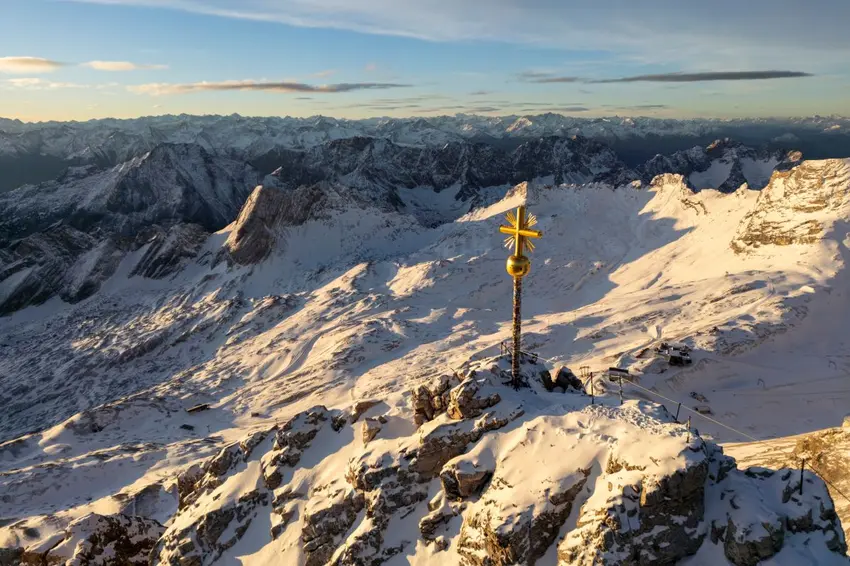
The German alps look set to see the first major snowfall of the winter season this week, following an abrupt drop in temperatures across the country.
On Thursday, the weather across the country was surprisingly warm and pleasant, with temperatures as high as the low 20s in southern regions. But at the start of the weekend, a sudden cold snap has left much of the country in single digital temperatures, with scattered showers predicted across much of the north.
Winter conditions are expected to remain through the start of the coming week, with low temperatures down to freezing across the country on Tuesday.
The predicted cold weather does come with one perk, at least for winter sports enthusiasts. Germany’s mountains, especially in the alps along the southern border, but also in other regions where mountains rise above 500 metres, may see some snowfall over the weekend or next week. The most snowfall is expected on Wednesday night and Thursday morning, according to the latest forecast by Bergfex at time of writing.
While the expected snowfall would effectively be the first of this 2025/26 winter season, erratic weather patterns in the region this year have already brought snow to Germany’s highest mountains at some unusual times. At the top of the Zugspitze, which is the country’s highest point, ten centimetres of fresh snowfall was recorded in July this year.
READ ALSO: Skiing in Germany - How to check if there’s snow on the slopes
Photo of the week:
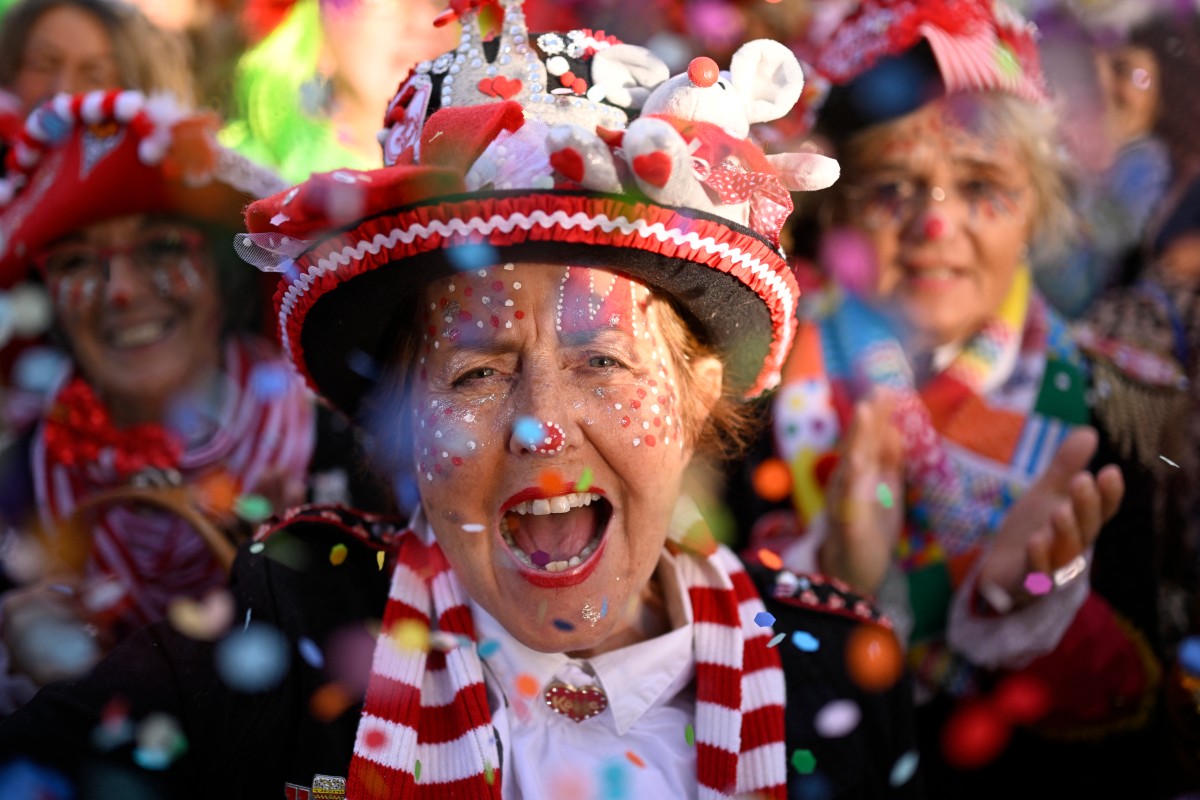
Carnival season kicked off this week, with festive celebrations seen in numerous German cities including Cologne, Düsseldorf, Mainz and many more.
READ ALSO: Why does Germany's carnival season start on November 11th at 11:11am?
If you have yet to experience Carnival celebrations in Germany, let this be your sign to do so – they are known to be exuberant festivities full of colour, laughter and joy -- all of which can sometimes feel hard to find as winter begins and back-to-back dreary skies take their toll.
If you do want to get involved, you won't have to wait too long for your next opportunity. Some of the bigger Carnival parties come at the end of the "fifth season" in February or early March. The famous Rosenmontag parades will take place in the coming year on February 16th.
A very pricey Christmas
Seeing as it’s mid-November, German preparations for the Christmas Advent are already well underway. This year holiday festivities are set to be a bit pricier, and not only for those stocking up on treats.
No, the bigger increase in costs this holiday season comes in the price of upping security measures at all of Germany’s more than 2,500 Christmas markets.
READ ALSO: When are Germany's Christmas markets opening in 2025?
The markets in Munich, for example, are facing a more than 160 percent jump in security costs this year. Similar security cost increases are being felt at winter markets across the country, and in a few cases they are leading to cancellations, including two markets in Overath and Kerpen in North Rhine-Westphalia.
Security is in the spotlight at holiday events in Germany following a deadly attack at the Magdeburg Christmas market last year.
The trial of the man charged for that attack had just begun this week when Magdeburg’s mayor announced that the city’s Christmas market – which is the largest in the state of Saxony-Anhalt – would not initially be given a permit to open.
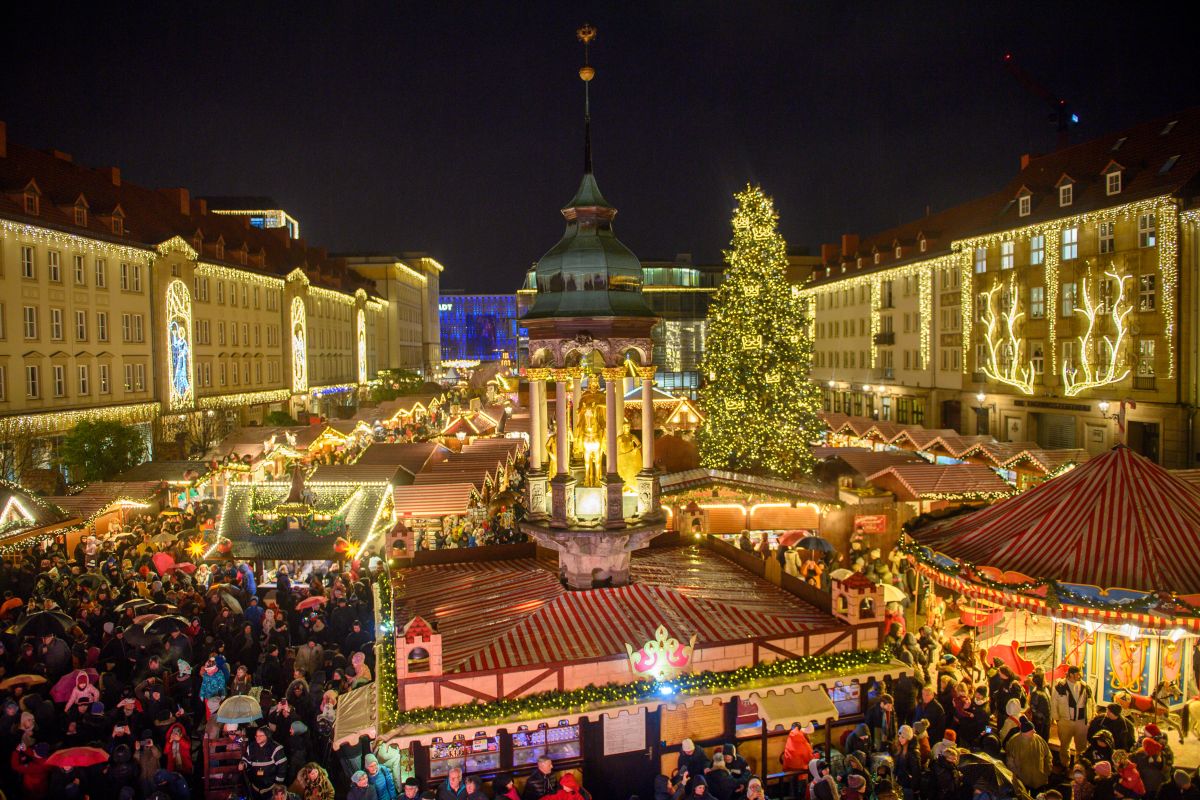
The mayor has since announced that the market should go forward, following an inspection with police to take place on Monday.
While market organisers, city and state officials all largely agree on the importance of maintaining top-notch security concepts, conflicts have erupted around who exactly should pay for the intensified measures. From the view of Magdeburg’s mayor, funding should come from the state authorities that have issued the strengthened requirements.
In Munich, the costs are borne by a couple different authorities: the Department of Labour and Economy pays for the security concept overall, whereas the costs for setting up and dismantling barriers will be borne by the district administration department.
Rest assured that most of Germany’s famous Christmas markets, big and small, will go forward as planned. But the fumbled roll out of new security concepts and related budget conflicts show that there really is no tradition, no matter how sacred, that German bureaucracy and governance won't threaten to derail.
Comments