

Monday's top story: German President warns of growing threats to German democracy
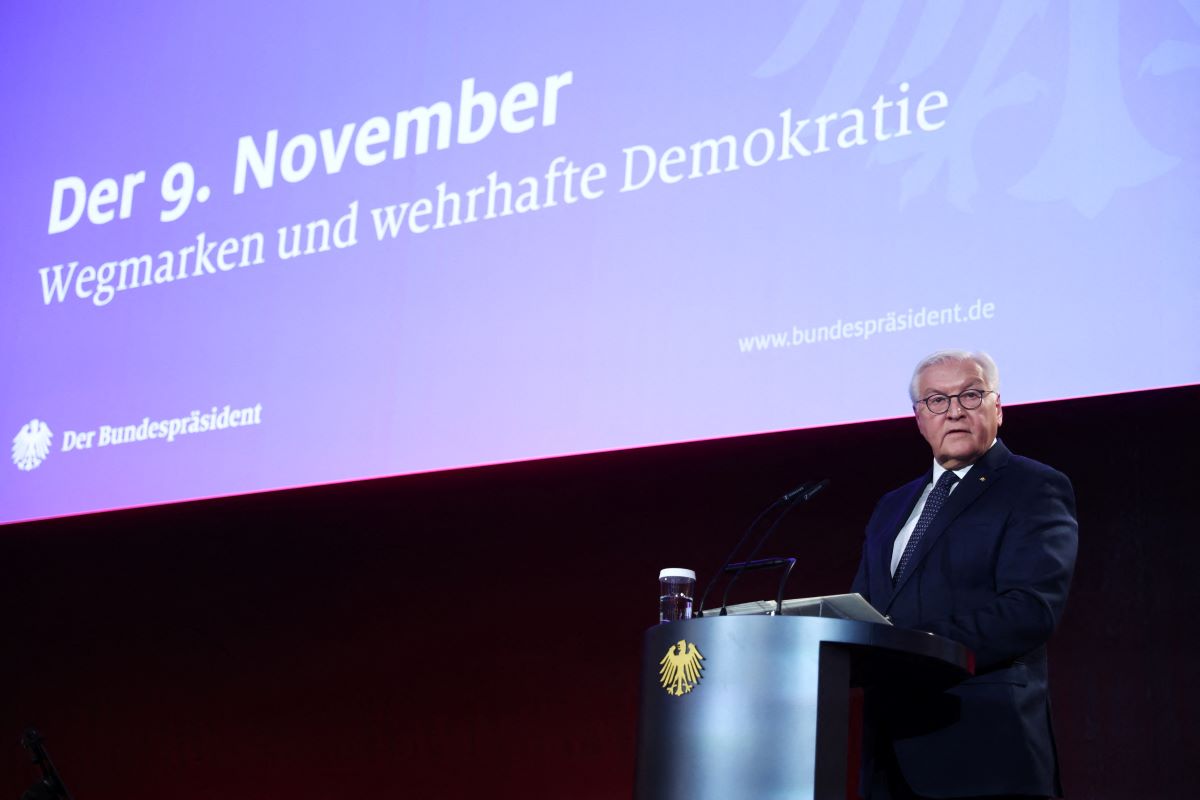
German President Frank-Walter Steinmeier warned on Sunday that the rise of the far right and increasing antisemitism posed a growing threat to Germany's democracy.
"One hundred and seven years after 1918, the year the first German Republic was proclaimed, our liberal democracy is under pressure," he said at his official Berlin residence Bellevue Palace.
"Populists and extremists are mocking our institutions, poisoning public debate, and exploiting fear," he added.
November 9th is a highly symbolic date for Germany -- in 1918 the proclamation of the Republic was made on this day, in 1938 pogroms erupted against Jews, and in 1989 the Berlin Wall fell.
Steinmeier referenced the recent rise of the far right in the shape of the anti-immigrant Alternative for Germany (AfD), which scored a 20.5 percent vote share in last February's general election to place second, forcing first-placed Christian Democrats (CDU) to enter a coalition with the beaten Social Democrats.
New Chancellor Friedrich Merz has hardened his own rhetoric on immigration since taking office but current opinion polls see the AfD as level-pegging with his party.
READ ALSO: Key Merz ally sounds alarm over 'brutal' polls in Germany
For Steinmeier, "there must be no political cooperation with extremists. Neither in government nor in parliament."
"Antisemitism is not back, because it has always existed," he said, alluding to a record 6,236 recorded antisemitic crimes in Germany last year.
"Is it possible that we have not learned the lessons of history?" he said
Defence minister expects agreement on future military service 'next week'
Germany's defence minister Boris Pistorius is "very, very confident" that politicians will will soon reach an agreement in discussions about the future structure of military service in the country.
"In my opinion, we are on the home stretch, and I am very optimistic that we will reach an agreement next week," he said on Friday evening on broadcaster ARD's Tagesthemen news programme, but declined to comment on the details of the discussions.
Currently, some 182,000 soldiers serve in the Bundeswehr. Germany wants to increase numbers to 260,000 active personnel to fulfil NATO obligations, and also add a further 200,000 reservists.
Pistorius wants to introduce a new voluntary military service and the coalition is currently debating what to do if not enough volunteers come forward.
READ ALSO: What will Germany's new conscription law mean for young Germans and dual nationals?
Healthcare and construction face biggest skilled-worker shortage, study finds
The greatest shortage of skilled workers in Germany is in the healthcare and construction sectors, according to a study by the German Economic Institute (IW), published on Saturday.
The study found that more than 260,000 positions in the ten sectors with the largest staffing gaps could not be filled with appropriately qualified personnel last year.
According to the study, around 46,000 positions remained open in the healthcare sector in 2024, with physiotherapists, nurses, and dental assistants in particularly short supply.
READ ALSO: Why demand for 'career-changers' is rising sharply in Germany
And in the construction industry, there was a shortage of almost 41,300 skilled workers, primarily in electrical construction and plumbing, heating, and air conditioning.
"Recently, the skilled worker shortages have decreased due to the weak economy, but this does not mean the all-clear for the labour market," said IW expert Valeria Quispe. She called for "targeted measures" to attract skilled workers, such as encouraging further education and incentivising longer working lives to address the problems.
Magdeburg Christmas market attack trial begins
The trial of the alleged perpetrator behind the Christmas market car-ramming attack in Magdeburg last December starts on Monday.
The attack, which saw 50-year-old Taleb A. allegedly drive a rental car at speeds of up to 48 kilometres per hour through the crowded Christmas market in Magdeburg, killed a nine-year-old boy and five women aged 45 to 75 died and injured more than 300 other visitors.
Hundreds of co-plaintiffs, lawyers, spectators, and journalists are expected in the capital of Saxony-Anhalt on Monday.
The Magdeburg Regional Court has initially scheduled 46 trial days until March of next year.
Colts beat Falcons at Berlin's Olympic Stadium
An NFL game took place on Sunday between the Indianapolis Colts and the Atlanta Falcons at Berlin’s Olympiastadion.
This marked the first regular season NFL game held in Berlin, a city steeped in football history from hosting NFL Europe’s Berlin Thunder and several American Bowl games during the 1990s.
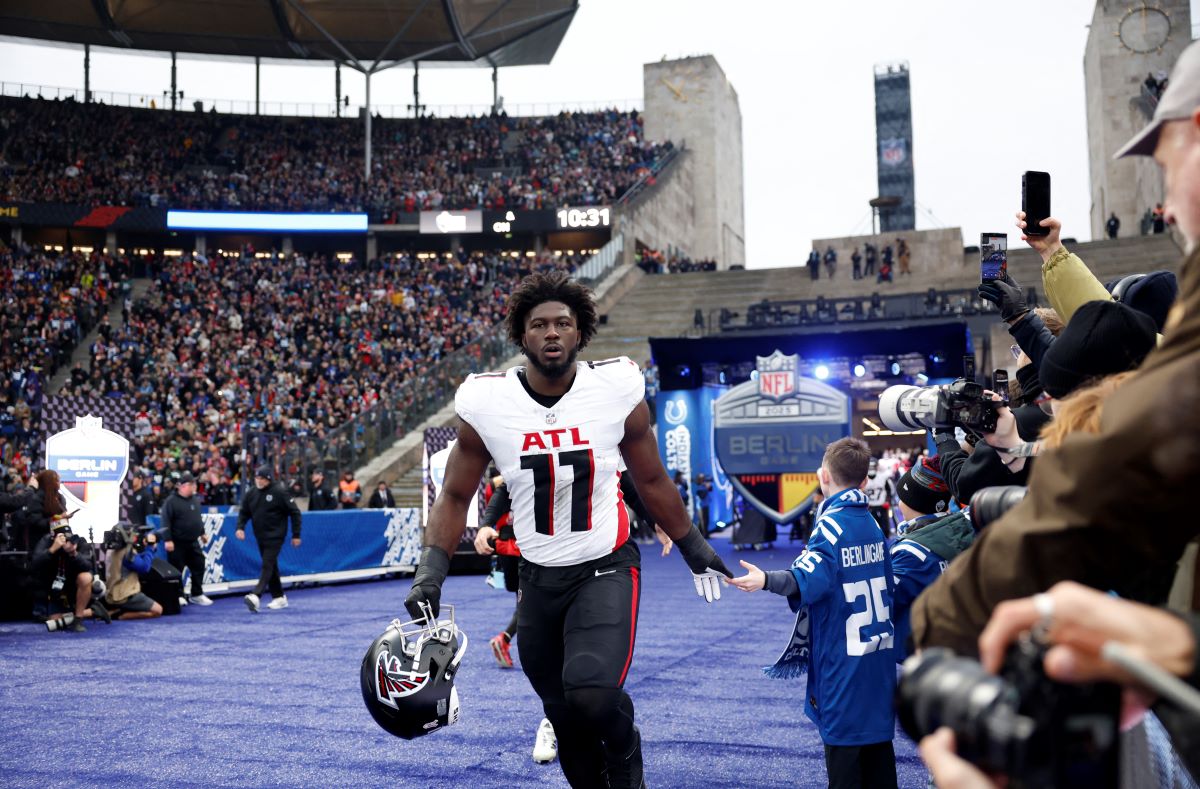
The organisers created a temporary home for American football in the German capital with fan zones, public viewings, and cultural activities celebrating the sport.
In the game itself, Colts running back Jonathan Taylor delivered an outstanding performance in front of more than 70,000 fans with three touchdowns in a closely contested match which his team ultimately won 31-25 after overtime.
READ ALSO: Millions of NFL fans - How Germany fell in love with American football
Authorities launch action week again shock calls
Authorities in Germany have launched at action week to warn citizens about the rising number of fraudulent shock calls, where criminals impersonate relatives in distress to extort money.
The campaign, led by police forces at federal and state levels, aims to provide advice through phone hotlines, informational events, and materials especially in senior homes.
Officials believe that many victims feel ashamed for falling for these scams and thus avoid reporting them, preventing authorities from fully grasping the crime's extent.
The methods, reportedly used by sophisticated criminal gangs, include fake identities on messaging platforms like WhatsApp to solicit money transfers.
Police are urging victims to report incidents to enable investigation and stress that exploiting seniors is a serious crime. The campaign emphasises awareness, caution, and reporting as key defences.
READ ALSO: ‘It’s complicated’ - How safe do foreign residents feel in German cities?
With additional contributions from Amy Brooke and AFP.
Comments