
Germany is preparing a huge rearmament plan for its armed forces, the Bundeswehr, according to procurement blueprints obtained by Politico this week.
The plans are still at the internal government stage, with a detailed list of proposed purchases and investments currently being prepared for presentation to the Bundestag’s budget committee.
Chancellor Friedrich Merz has stated that his government’s goal is to make the Bundeswehr “the strongest conventional army in Europe,” promising that it will “receive all the financial resources it needs.”
The motivation, according to Merz, is to ensure Germany’s security and strengthen its role within Europe.
How much is Germany planning to spend?
The total planned investment amounts to a staggering €377 billion – a sum which covers hundreds of projects across land, air, sea, space, and cyber domains, according to the 39-page list.
The government has also moved to permanently remove defence spending from Germany’s so-called “debt brake,” a constitutional rule that limits government borrowing.
This change would allow for a long-term increase in the defence budget, beyond the nearly exhausted €100 billion special fund set up under the previous government.
READ ALSO: What will Germany's new conscription law mean for young Germans and dual nationals?
What will the money be spent on?
The list shared by Politico details around 320 new armament and equipment projects for the Bundeswehr. Of these, 178 already have a designated contractor, with the majority of contracts going to German companies.
Some of the main items are reported to include:
- 687 Puma armoured personnel carriers (to be delivered by 2035)
- 561 Skyranger 30 air defence systems for drone defence
- Millions of grenades and rifle cartridges
- 14 complete Iris-T SLM air defence systems and hundreds of associated missiles
- New ammunition for Heron TP drones and twelve new LUNA-NG tactical drones
- Four maritime uMAWS drones for the navy
- Over €14 billion for satellite programmes, including a €9.5 billion low-Earth orbit constellation for secure communications
About 160 projects worth approximately €182 billion are set to benefit domestic suppliers.
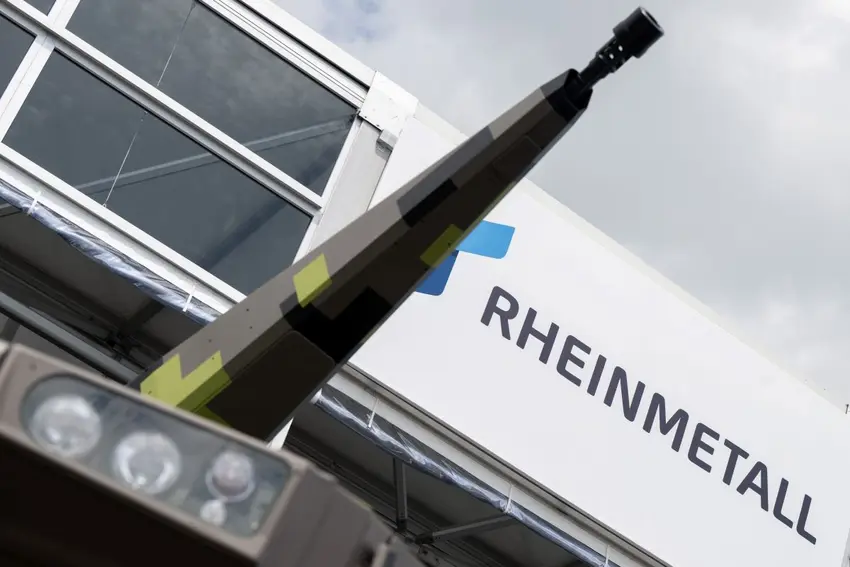
Rheinmetall emerges as the biggest winner overall with some €32 billion in funding reportedly set to flow directly to the German firm, while another €56 billion is linked to subsidiaries and joint ventures.
While most of the spending will go to German industry, some high-profile purchases are planned from abroad, including:
- 15 F-35 fighter jets from the US (around €2.5 billion)
- 400 Tomahawk cruise missiles and three Typhon launchers (about €1.15 billion)
- Four P-8A Poseidon maritime patrol aircraft from Boeing (€1.8 billion)
In total, foreign-related projects make up less than five percent of the planned spending, but they cover some of Germany’s most sensitive military roles, such as nuclear sharing and long-range strike capabilities.
Comments