
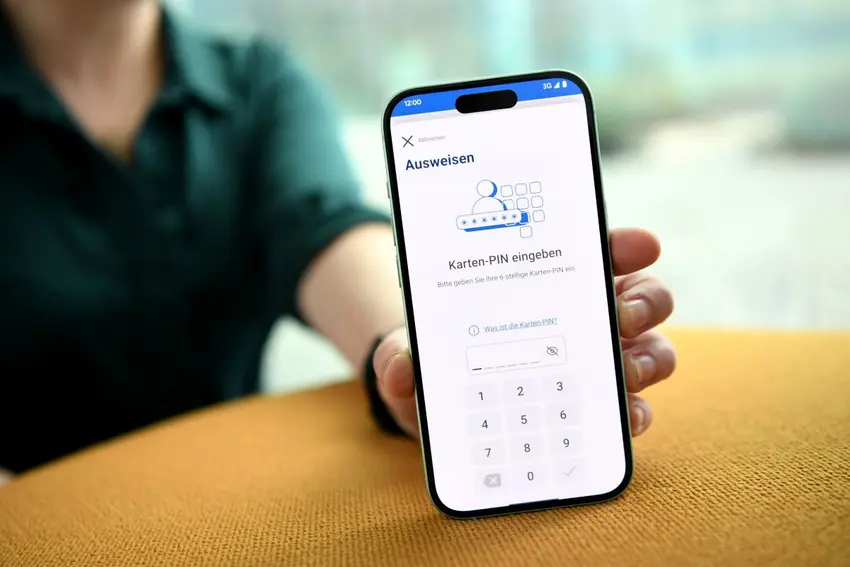
A functioning electronic identification (eID) allows you to verify your identity online for a number of public sector services. Practically speaking, this means less time searching for appointments and visiting Bürgerämter and immigration offices.
The eID function can also add your personal data to online forms in some cases, saving you time and reducing the risk of errors.
In addition the cards are accepted for a growing number of private sector services, including banking, insurance, e-kiosks and vending machines.
There are a number of different types of German identification documents that have eID capabilities, and the one you can get depends on your residency status.
Here's an overview of Germany's various digital identifications:
German National Identity Card (Personalausweis) with eID Function
All German citizens aged 16 and over receive this card, which has an embedded chip for secure electronic identification.
The eID function, which is activated by default on all cards issued since 2017, allows people to log in to government portals (for services related to taxes, social security, benefits and more), and access online banking and insurance services.
READ ALSO: What foreigners should know about Germany's digital ID cards and residence permits
Cardholders can also use the eID function to register for utilities, sign contracts digitally, and use self-service kiosks and vending machines that require identification or age verification.
eID Card for EU/EEA Citizens
EU and EEA citizens living in Germany can apply for a special eID card, granting them the same digital identification privileges as German citizens.
This card is especially valuable for accessing German e-government services and private sector offerings.
READ ALSO: Q&A - What to know about the roll out of Germany's electronic patient file
Electronic Residence Permit (eAT) with eID Function
Non-German residents in the country have an electronic residence permit, which can also be used as means of digital identification.
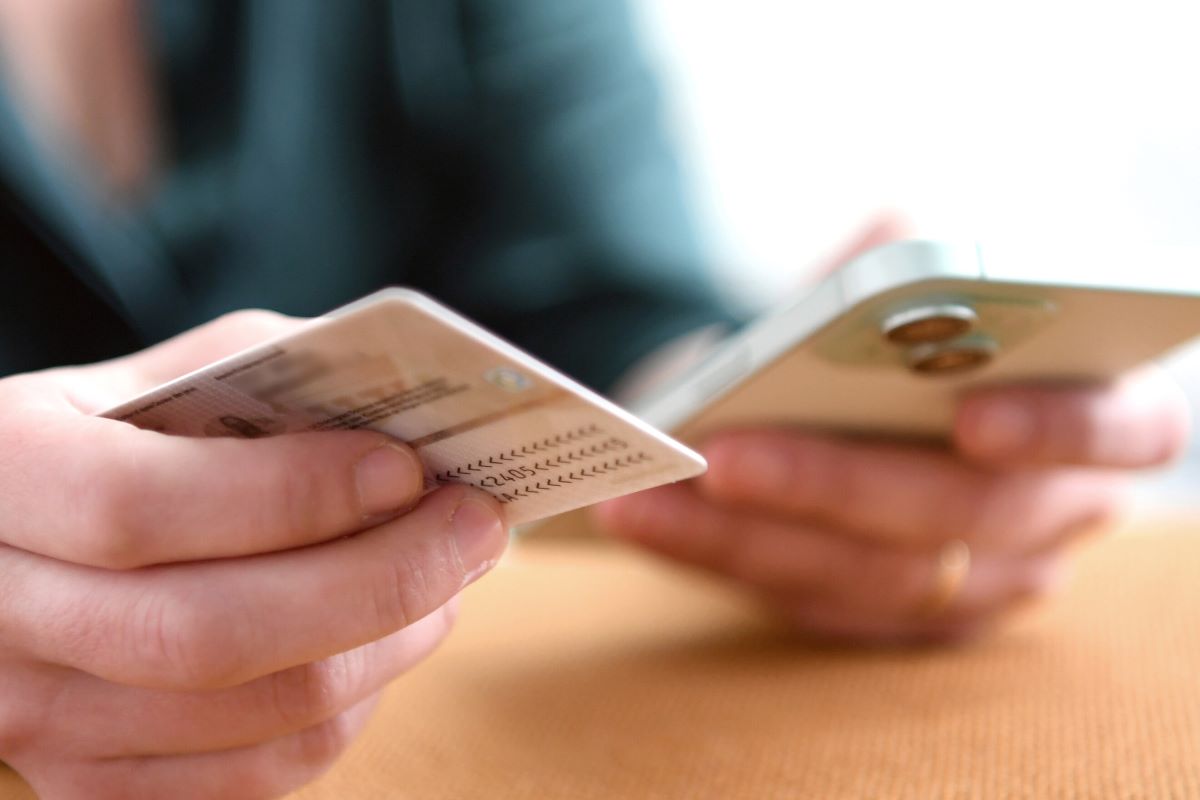
The eID function on residence permit cards isn’t always activated by default, which means that cardholders may need to make an additional trip to the immigration office to get it up and running. (According to information shared on the All About Berlin website, the eID function is often pre-activated when you pick up your residency permit directly from the Ausländerbehörde, but may not be if you got your card in the mail.)
If it is activated, cardholders still need to set-up the eID function initially through the AusweisApp.
Non-EU foreign residents can use the eAT to access some government services, including:
- applying for unemployment benefits
- applying for Kindergeld
- registering a vehicle
- requesting a replacement of your registration certificate (Anmeldung)
- registering as an organ donor
However, non-EU citizens are somewhat limited with what can be done digitally. For example, eAT holders cannot apply for a new ID card online whereas naturalised Germans and EU citizens can with an eID.
READ ALSO: Reader question - Can foreign arrivals use the e-gates at German airports?
Non-EU citizens also cannot change their registered address online - meaning they must still make an appointment and visit their local Bürgeramt to hand in papers.
BundID (Federal User Account)
BundID is a centralized digital identity account for anyone interacting with German authorities.
Creating a BundID account allows people to access a range of digital government services, from applying for federal, state, and local government services, to submitting online applications for benefits, permits, or certificates, and receiving official notifications.
German citizens, EU/EEA citizens, and non-EU residents in the country can all create a BundID account by using either their e-Ausweis, eAT card, or eID card for EU/EEA citizens.
It’s also possible to create a slightly restricted BundID account for tax services by using an ELSTER certificate.
READ ALSO: 'Digital office' - How Germany wants to move work contracts online
Foreign residents, students, job seekers, families, and anyone who needs to interact with the German authorities on a regular basis will benefit from creating a BundID account.
Because the account is valid across the country, it also makes sense for people who move within Germany to create an account, in order to avoid having to repeatedly establish your identity for different state-specific services.
How do I get an eID?
According to Germany's Interior Ministry (BMI), as of October of last year 97 percent of ID cards in circulation had eID functionality, with over 75 million eIDs in circulation. So it’s entirely possible you have one already.
To find out whether your ID card has an activated online identification eID function, you have to download the AusweisApp on your phone and/or computer.
Then use the “Check device and ID card” feature. If your eID function is activated, the app will display a green check mark next to "eID function activated". (If you're using the app on your computer, you will also need to link the app to your phone or use a card reader device to scan your physical ID card.)
If your eID function is not activated, then unfortunately you’ll have to make yet another trip to your the Bürgeramt or Ausländerbehörde that issued your ID card. In these cases, a face to face meeting is still the price you have to pay to join the digital revolution.
Comments