

In the lead-up to their coalition negotiations with the SPD, the CDU and CSU were openly in favour of reintroducing military conscription in Germany.
At the start of March, defence policy spokesman Florian Hahn told Bild that Germany's "suspension of conscription no longer fits the current threat situation".
"The first conscripts will have to walk through the barracks gates in 2025," he said. "We cannot stand by and watch as the world around us becomes more unsafe."
Since then, however, the tone has softened, with the incoming government now pledging a voluntary model in its coalition pact.
Announcing the agreement in April, CDU leader Friedrich Merz summed up the plans, saying the new government would “strengthen military service in Germany, following the Swedish model — initially on a voluntary basis.”
Why have the conservatives changed their minds?
From a legal point of view, reintroducing conscription would be relatively straightforward, as Germany's old universal conscription law was deactivated rather than removed from the constitution back in 2011. (As it stands, the law only applies to men. A decision to conscript women would require a two-thirds majority in a vote in the Bundestag).
However, as a matter of politics – and logistics – it has proved anything but straightforward.
The military has pointed out that they lack the infrastructure needed for training large numbers of new recruits – in terms of trainers, barracks, and district defence offices. Until recently, the focus of the Bundeswehr has been on foreign missions, for which it required experienced and highly trained soldiers – not 18-year-olds drafted for six months or a year.
Another sticking point may have been the relative reluctance of the electorate to contemplate a return to military conscription. According to Die Welt, 61 percent of 18 to 29-year-olds are opposed to its reintroduction - though YouGov recently found that a majority of Germans are in favour.
More influential, however, was the opposition of the SPD.
For several months now, SPD Defence Minister Boris Pistorius - who is likely to remain is office - has been advocating for the creation of a military registration system rather than conscription. This was also the model supported by negotiators in talks with the CDU.
READ ALSO: Who will the key ministers be in Germany's next government?
What exactly is the 'Swedish model'?
The so-called Swedish model is essentially a mandatory questionnaire sent to 18-year-old men and women, intended to assess their physical health (including cardiorespiratory fitness and strength), relevant skills, and willingness to defend the country.
The questions are designed to collect information on all citizens of military age, allowing the state to decide who should be called up (and in what order) in the event of a military emergency.
The information collected is held in Sweden’s military conscription registry. Over the years, it has been used for a variety of different purposes, including to examine the role of physical fitness in mitigating the severity of Covid-19.
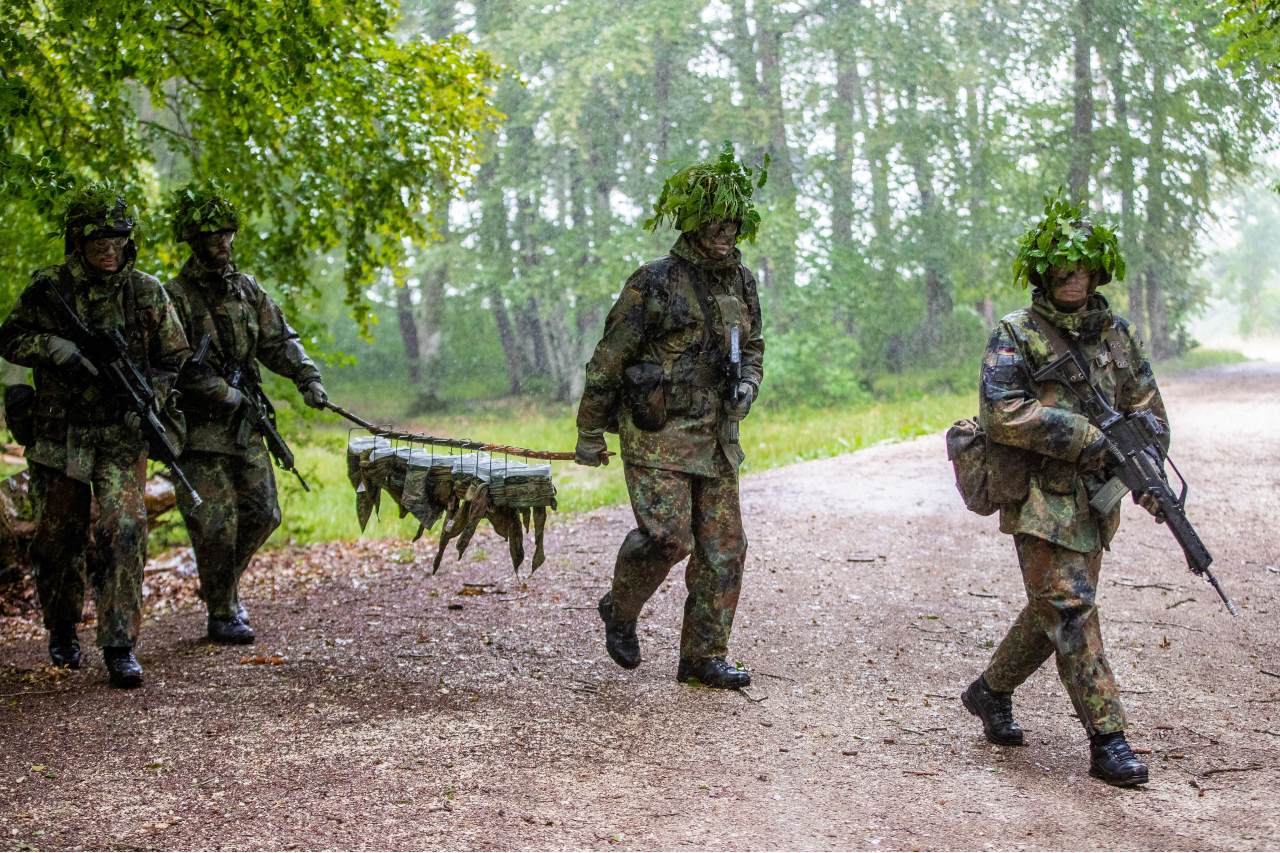
In the case of Germany, the questionnaire would be mandatory for men and voluntary for women. The government estimates that around 400,000 young people would submit their information per year, of whom around a quarter would be interested in signing up for the military.
Of this group, 40,000 could be recruited per year - but the military would first have to build up capacity. For this year, a far more modest (and realistic) target of 5,000 per year has been set.
Military service would then be carried out for a minimum of six months or a maximum of 23.
READ ALSO:
- Germany warned its military still under-resourced
- Is Germany gearing up to reintroduce compulsory military service?
What does this mean for dual nationals and naturalised Germans?
Provided they fall into the right age bracket, newly naturalised Germans and foreign dual citizens would also be included in the military service scheme. Aside from the obligatory questionnaire for young men, however, nobody would be forced to participate.
It's possible that sensitivities around migration could have also led the parties to steer away from a compulsory conscription model.
Today, more than one in five Germans has a “migration background” - meaning either a parent or grandparent from a foreign country. In Germany’s schools and kindergartens, this number rises to one in three. If conscription were reintroduced, discussions about who is obliged to serve, and who could be excluded from serving, are likely to prove contentious.
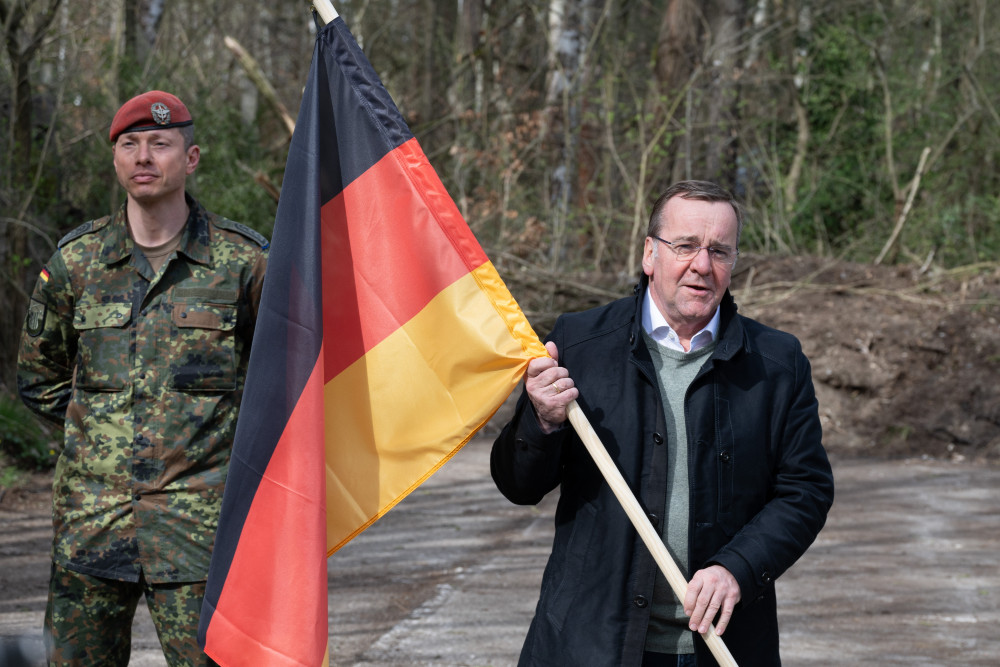
In Sweden, Swedes with a foreign background are surveyed along with other citizens. According to a report by The Local Sweden, analysis of the questionnaire data demonstrates conclusively that Swedish citizens with a foreign background are just as willing to defend their country as native-born Swedes.
“There is nothing to suggest that the willingness to defend of foreign-born citizens is lower than that of others," said Christoffer Wedenmark, co-author of a report by the Swedish Defence Research Agency. "If anything, it's the other way around.”
READ ALSO: What Germany's new coalition pact means for foreign residents
What happens next?
Assuming the coalition agreement is ratified by both parties over the next few weeks, and that Merz is elected Chancellor as planned on May 6th, Germany’s new federal government is likely to launch a military conscription registry later this year.
According to Defence Minister Pistorius, preparations for have been underway in the run-up to the federal elections and during coalition negotiations, meaning a bill could be put to parliament almost immediately.
Some details remain unclear, but German citizens who turn 18 this year - including dual nationals and naturalised Germans - can expect to start receiving letters from the Bundeswehr soon afterwards.
Merz has indicated he would still like to see the re-introduction of compulsory military service in the future. For the time being, however, he is hoping the arrival of a national defence document in the post will prompt a greater number of young people to consider a career in the Bundeswehr.
Comments