
Chancellor-in-waiting Friedrich Merz, of the centre-right CDU, has not yet finalised the new cabinet. But this week it emerged that he had agreed to hand some powerful posts to the centre-left Social Democrats (SPD).
Merz has vowed a tougher stance on immigration and to rebuild Germany's economic and defence posture to make it a strong voice in Europe as the EU squares off with US President Donald Trump.
As well as the chancellory, the CDU is set to take control of the foreign office and the economics ministry, as well as health ministry, education, family affairs and transport.
The centre-right party, which secured 29 percent of the vote in the federal elections, will also be in charge of the ministry for senior citizens, women and youth and the new ministry for digitalisation and state modernisation.
The Bavarian CSU, meanwhile, will take the reins of the interior ministry and be in charge of setting immigration policy. It will also take the ministry for innovation and space travel and the agricultural ministry.
READ ALSO: What Germany's new coalition pact means for foreign residents
The SPD will control seven ministries: finance, defence, justice and consumer protection, environment and climate protection, economic cooperation and development, and housing. The centre-party, formerly led by Olaf Scholz, has said it will not announce ministerial posts members have voted to approve the coalition agreement.
Here are some key politicians in the running for the most crucial portfolios -- many of them newcomers to leadership roles, and all of them men -- in the coalition set to run Europe's biggest economy for the next four years.
Finance
SPD co-leader Lars Klingbeil is widely expected to take the powerful posts of finance minister and vice chancellor, which would position him for a future run at the top job.
Relatively young at 47, he has emerged as the dominant voice in the SPD since the election, taking the baton from outgoing Chancellor Olaf Scholz, who led the party to a poor result at the polls.
Under normal circumstances, Klingbeil should have "cleared the way for others" after the SPD's defeat, said political scientist Wolfgang Schröder of Kassel University.
"But there was no alternative."
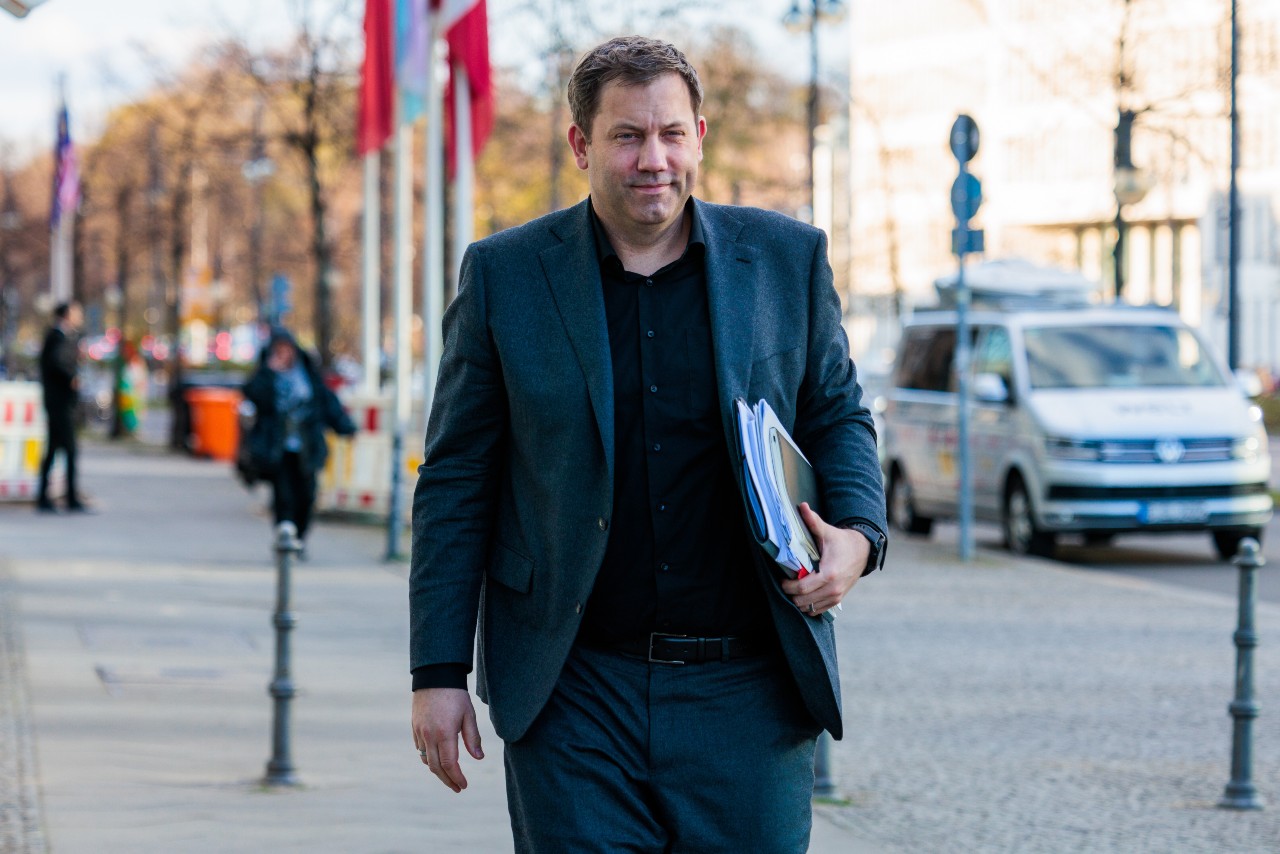
Klingbeil, from the party's conservative-leaning wing, will be in charge of Germany's purse strings at a time the government will have unprecedented financial firepower.
Several weeks ago the outgoing parliament approved a huge financial package worth hundreds of billions to fix creaking infrastructure and rebuild Germany's armed forces.
READ ALSO: Germany has ditched the debt brake, but what will the consequences be?
Having studied political science and history at university, Klingbeil has no specialist background in finance.
"He's a generalist, not a specialist," said Schröder, who judged this as an advantage. "Specialists get too involved in areas they should leave to experts."
A name mentioned as a possible head of the economy ministry is that of Merz loyalist and CDU general secretary Carsten Linnemann, also 47, a former Deutsche Bank economist.
Foreign
Many now expect the job of Germany's top diplomat to go to Johann Wadephul, 62, deputy chair of the CDU/CSU parliamentary group.
He is known for pushing to allow Ukraine to strike targets inside Russia with Western-supplied weapons -- a stance that has stirred debate within his party and beyond.
In a media interview in 2020, he urged Franco-German cooperation in nuclear weapons, suggesting that Paris should place its deterrent arsenal under the aegis of NATO or the EU, a topic that has gained attention since Trump's rapprochement with Russia's Vladimir Putin.
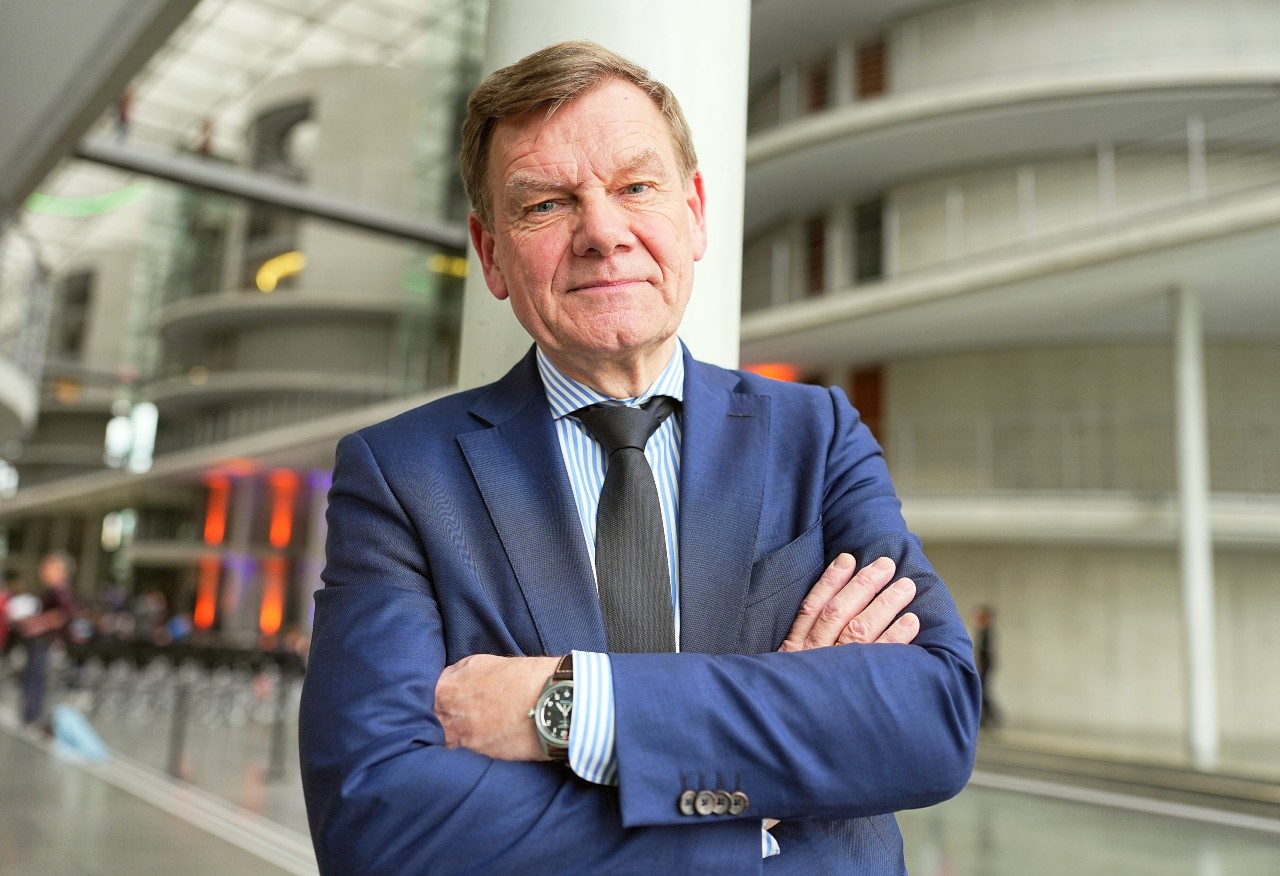
Wadephul is a lieutenant colonel in the German Armed Forces Reserve and a staunch supporter of strengthening Germany's military posture.
A strong contender to run the foreign ministry until recently was Armin Laschet, 64, a former CDU party leader and failed candidate for the chancellery in the 2021 election won by Scholz.
Laschet joined outgoing Foreign Minister Annalena Baerbock on a recent Middle East trip, raising speculation he was being lined up for the job.
However, he is known for gaffes and missteps, including being filmed laughing during an event marking a flood disaster - an incident that is credited with fumbling his chance at the chancellery.
Defence
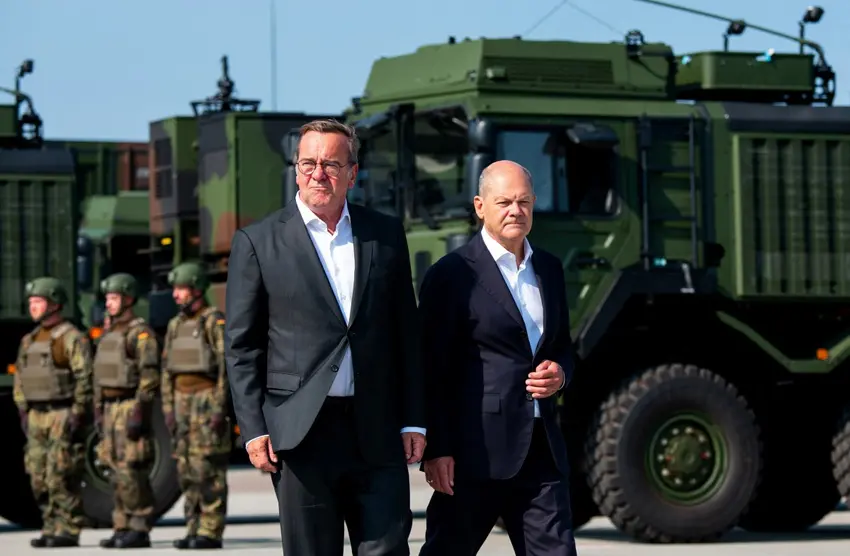
The incumbent, Boris Pistorius of the SPD, is expected to stay in the job, having won plaudits as defence minister both from other politicians and the German public.
Pistorius, 65, has been tasked with building up Germany's long underfunded armed forces and supporting Kyiv with defence goods since Russia launched its full-scale invasion of Ukraine over three years ago.

Known for his straight talk, good humour and commitment to the troops, he has often been voted Germany's most popular politician in opinion polls, at a time of growing unease about the threat posed by a hostile Russia.
READ ALSO: Germany's Union and SPD unveil final plans for government
As Scholz' star faded, some in the SPD suggested during the election campaign that Pistorius should take over as top candidate, but he declined, boosting his credential as a "good soldier" in the traditional workers' party.
With reporting by Imogen Goodman
Comments