
World markets are still reeling one week after US President Donald Trump’s “Liberation Day” tariffs announcement – those tariffs kicked in on Wednesday morning.
Reactions from nations around the world have been varied, but the EU – on behalf of its member states including Germany – has emphasised its willingness to negotiate while simultaneously threatening to react with retaliatory tariffs if necessary.
This week EU leaders have reportedly come to consensus on a list of initial tariffs to be levied against US imports, with EU states set to vote on the countermeasures on Wednesday.
But while retaliatory tariffs might help European nations assert some power as they try to navigate a new economic power dynamic on the world stage, they can be expected to push up prices on some products for European consumers.
Here are the US imports set to get more expensive if retaliatory tariffs are launched, and how to find European alternatives.
What tariffs has the EU planned?
The EU has prepared a list of US goods to be subject to import duties of 25 percent, according to media reports.
Some of the items set to face tariffs are; diamonds, motorcycles, yachts, household appliances, safety glass, playing cards, copper, iron, steel and agricultural products such as corn, soybeans, poultry, orange juice, tobacco and coffee. The current list includes 1,680 items in total.
According to a report by Politico, it appears that the agricultural tariffs may have been designed to hit red states in the US - that is, states with a higher proportion of Trump voters - the hardest.
Most items will face a 25 percent tariff, but a few of them will get a ten percent rate.
EU member states are expected to approve the plan on Wednesday, and the first duties – on things like cranberries or orange juice which were previously affected during a trade dispute with Trump in 2018 – would be enacted on April 15th.
Most of the tariffs, however, won't come into force until mid-May.
Tariffs on soybeans and various nuts, including almonds, would enter into force on December 1st.
In total the tariffs enacted by Europe are expected to affect a total of $28 billion worth of US imports, whereas the US tariffs in effect are expected to affect EU exports worth around $585 billion. Germany accounts for about a quarter of Europe’s total trade volume with the US.
All of the above listed tariffs had been planned in response to Trump’s prior steel and aluminium tariffs.
Regarding the blanket 25 percent tariffs against all EU exports to the US which came into effect today, the EU Commission suggests it is working on a follow-up response. However, European leaders continue to say they would prefer de-escalation and hope to negotiate with the US administration.
READ ALSO: How will Trump's car tariffs impact Germany?

Which products are set to get more expensive?
At this stage, it's hard to know exactly what the effects of the EU’s counter-tariffs will mean for consumers in Germany. But it's pretty safe to assume that the goods listed above, or products containing some of the goods listed above, coming from the US will go up in price.
Some products, like US-made beautify and skin care products or US-made electronics, will almost certainly see immediate price hikes.
This would also include US beef, car parts, cigarettes, wood products, ice cream and clothing.
However, secondary impacts could be expected for any EU products that contain US materials.
A related increase in grain prices may also impact the price of EU livestock products in Germany, as US corn and soy remain a significant source of livestock feed. The EU has recently seen record levels of US corn imports due in part to limited harvests in Ukraine.
Is it possible to avoid the price increases?
Unfortunately, German consumers won't be able to avoid tariff-related price hikes completely as the increase in prices for affected products can be expected to ripple outward through the economy and push up prices even for some domestically made goods.
That said, one thing you can do to dodge some direct price increases is to identify US imports you currently use that will be affected by the tariffs and find German- or Europe-made alternatives.
If you currently use beauty products from the likes of L’Oréal, Estée Lauder or Procter & Gamble, for example, now could be the time to switch to German-made products like those from Nivea, Kneipp or i+m.
To find more German or European alternatives, you can try searching for the American products you use in the website app at GoEuropean.org.
READ ALSO: Will German consumers join the growing boycott of US-made goods?
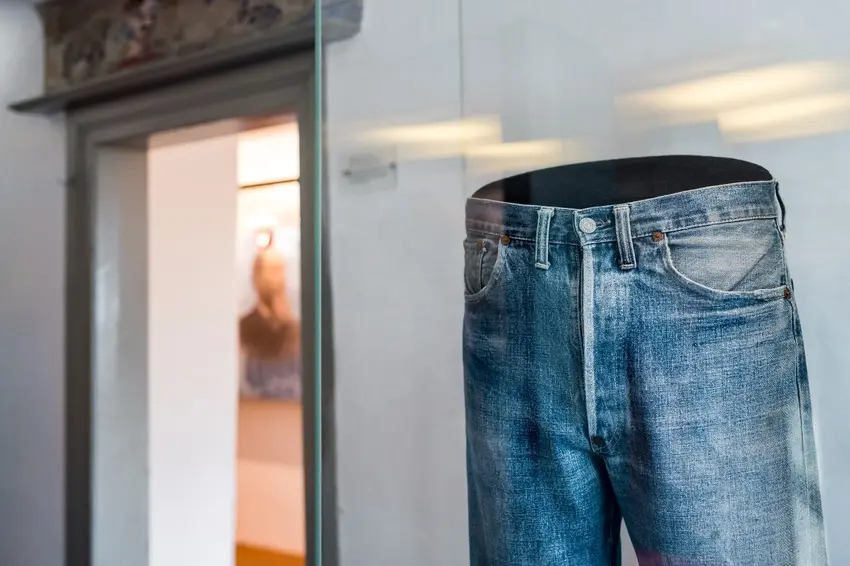
On the other hand, if there is a specific US-made product you use often or planned to buy soon, like Levi jeans, you may want to buy it now before prices go up.
For example, if you had it in mind to buy a Harley Davidson motorcycle this year, now is probably the time. Otherwise, you could take a look at BMW’s options or those made by Spain-based Rieju.
In a bit of good news for those who enjoy American bourbon, whiskey is one item that has been excluded from the EU’s tariffs, in an effort to spare European wine and champagne producers from facing 200 percent tariffs that Trump had threatened as retaliation.
Comments