
Unions sit down for third round of public sector pay talks
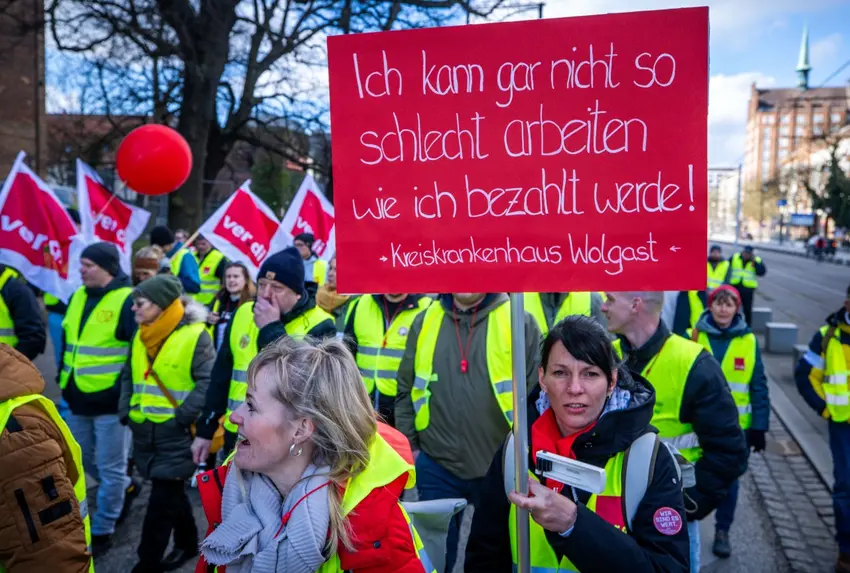
Following warning strikes throughout Germany, fierce negotiations for better pay and conditions in the public sector are set to resume on Friday.
Three days of negotiations in Potsdam are initially planned, with a possible extension through Monday.
Shortly before the start, the civil servants' union DBB warned that the talks could fail and the conflict could escalate into unrestricted strikes.
READ ALSO: From transport to waste - The various strikes hitting Germany this week
Led by DBB and Verdi, the current round of talks relates to the income and working hours of more than 2.5 million employees who work for local and regional governments in Germany. So far, industrial action has been carried out in daycare centres, local transport, waste management, hospitals and care facilities in order to put pressure on employers.
The unions are demanding a pay rise of eight percent, set at a minimum of €350 extra per month, and are pushing for at least three additional days off. The employers have so far rejected the plans as too expensive, but have not produced a counter offer.
If the third round of talks fail, so-called "unlimited" strikes could be called in several branches of the public sector, leading to weeks of potential disruption. Alternatively, the talks could be put to a formal arbitration procedure with the aim of finding a satisfactory solution.
Merkel denies covering up report on Covid-19 origins
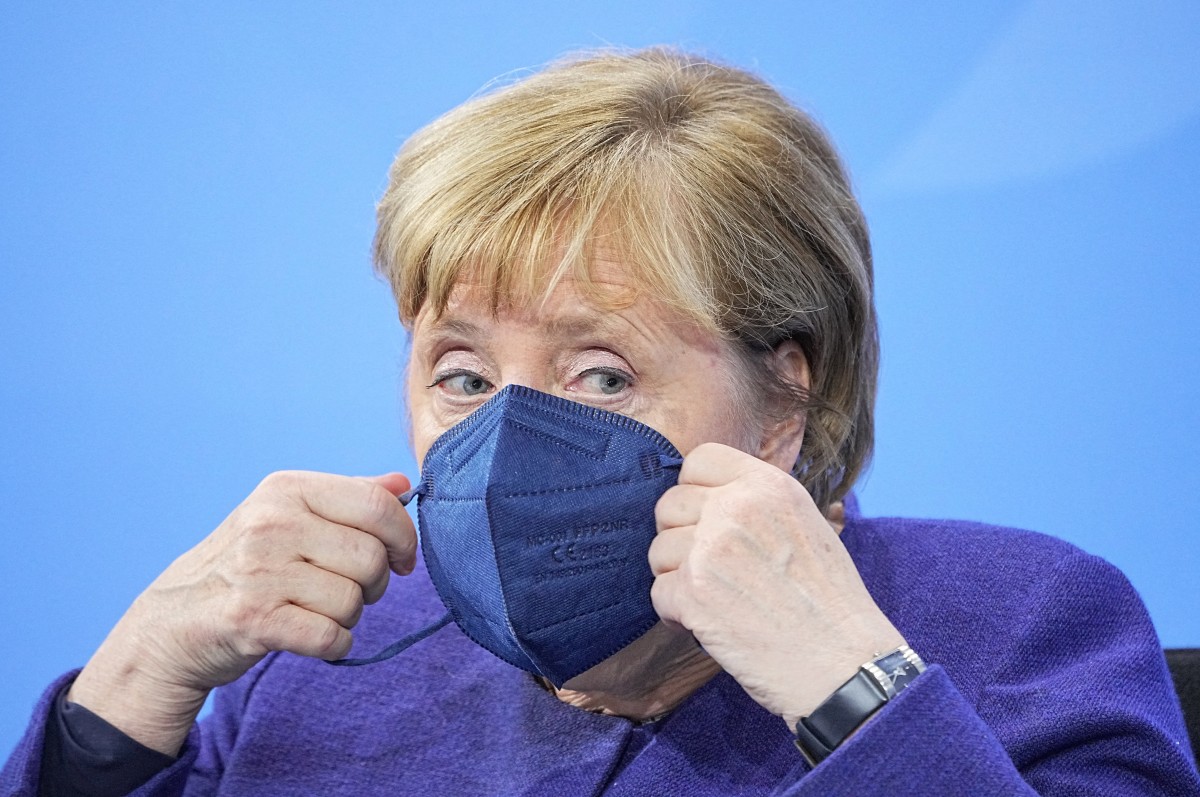
Former German Chancellor Angela Merkel denied Thursday that she had covered up an intelligence report concluding that a Chinese laboratory leak was the likely source of the Covid-19 pandemic.
"The Chancellor rejects the accusation very clearly," her office said in a statement sent to the German Tagesspiegel daily.
The weekly Die Zeit and Süddutsche Zeitung daily had reported that Germany's Federal Intelligence Service, the BND, had in 2020 judged the probability of a Wuhan lab leak being responsible for the pandemic to be between 80 and 95 percent.
Having commissioned an investigation, Merkel then prevented the results from being published, the newspapers reported, as did her successor, the current Chancellor Olaf Scholz, who took office in December 2021.
The authorities were reportedly keen to avoid sowing panic amongst the population and also feared stoking a diplomatic crisis with Beijing.
Merkel refused to be drawn on the detail of the allegations and directed enquiries to the current chancellery, which keeps government archives.
Left Party leader calls on Greens to reject Merz' defence budget package
The Left Party leader Heidi Reichinnek has called on the Greens in the Bundestag to reject the planned billion-dollar financial package of the Union and SPD.
Reichinnek said that if the Greens agreed now to a relaxation of defence spending, then it would be unrealistic to think that the Union would later support a more fundamental reform of the debt brake - which could include increasing spending for social programs or other reforms.
She pleaded for a vote in the new Bundestag. Then, the Union and SPD would need not only the votes of the Greens, but also those of the Left Party to amend the Basic Law.
TIMELINE: How soon will Germany get a new government?
Reichinnek's comments came as part of a fierce debate on Merz' plans to boost military spending and set up a €500 billion fund for infrastructure investments.
For his part, conservative party leader and incoming Chancellor Friedrich Merz said that the funding "cannot be postponed any longer".
Man shot dead in Düsseldorf city centre
A 49-year-old man from Cameroon was fatally shot while riding in the back of an Uber in Düsseldorf city centre.
According to investigators there was no danger to the general public.
A prosecutor on the case told DPA that the murder was "obviously about money." The investigation continues on suspicion of manslaughter.
The victim had reportedly been confronted by the perpetrators when he stepped out of a hotel. After a brief dispute, the man tried to flee in an Uber, but the perpetrators managed to catch the car at a nearby red-light and fired shots into the rear window.
Almost 60 percent electricity from renewable energy last year
Germany set a new record for green electricity production last year: 59.4 percent of the electricity generated and fed into the grid in 2024 came from renewable energy sources such as wind power, photovoltaics, biogas and hydropower.
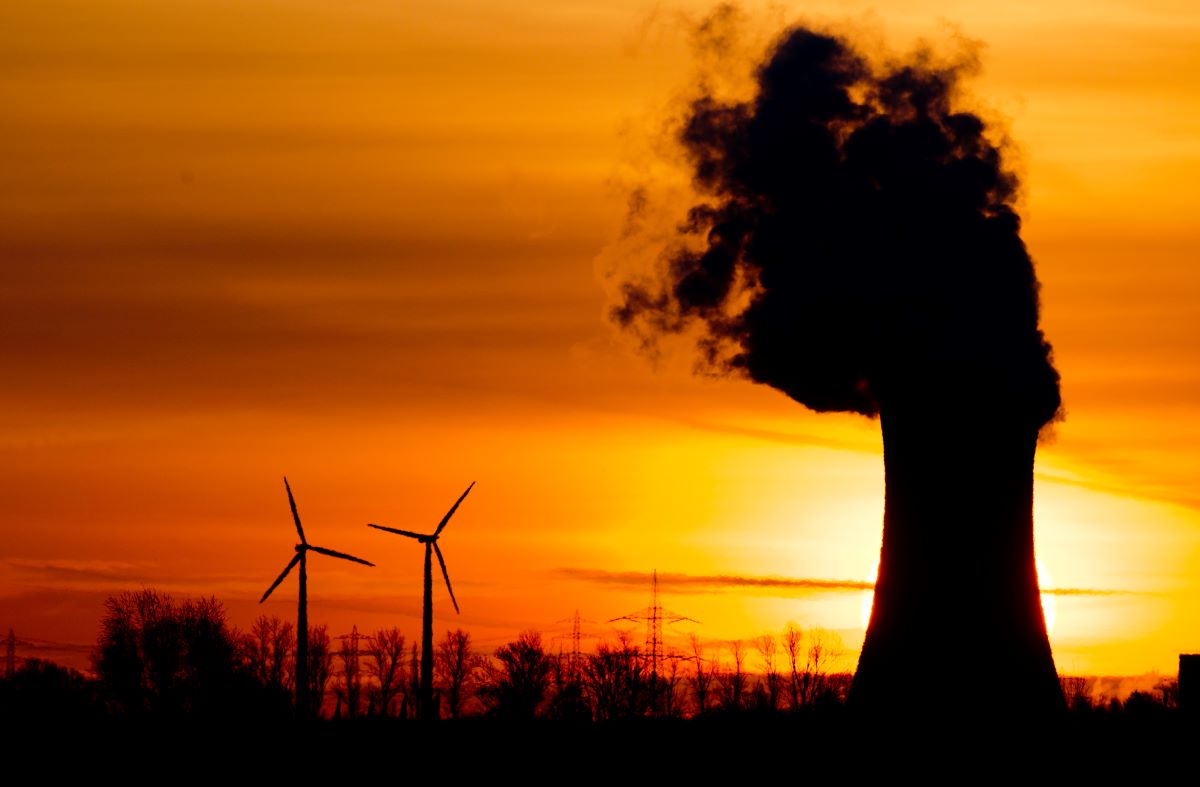
This means more electricity came from renewables than from fossil fuels such as coal and natural gas in almost all months, according to Germany's statistical office (Destatis).
For the year as a whole, the amount of green electricity increased by 2.3 percent to 256.4 billion kilowatt hours compared to the previous year.
The most important energy source in 2024 was wind power, as it had also been the year before. In 2023, wind power had replaced coal as the dominant energy source in Germany.
READ ALSO: Germany spends billions on climate-harming subsidies each year, study finds
Wind made up approximately 31.5 percent of Germany's electricity share last year. The next biggest renewable contributor was solar power, which made up about 13.8 percent of the total share.
With reporting by AFP AND DPA.
Comments