
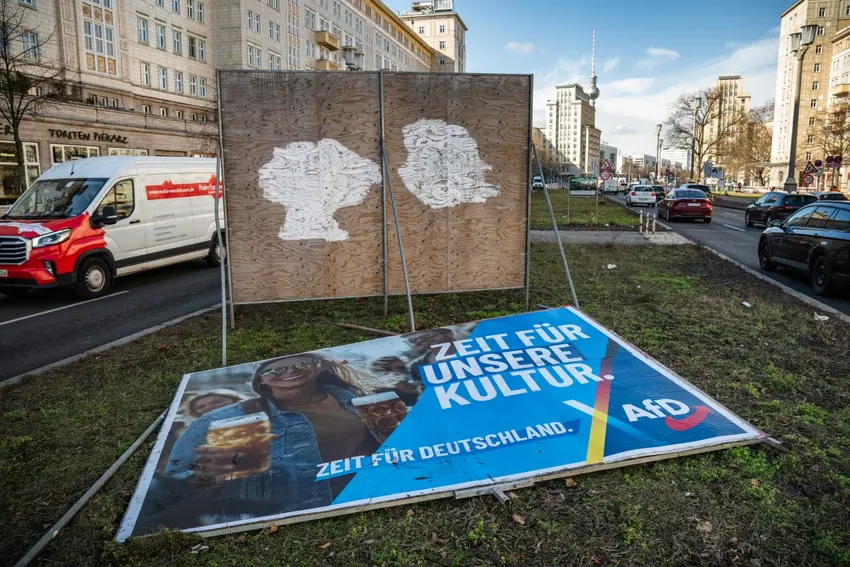
Inside Germany is our weekly look at some of the news, talking points and gossip in Germany that you might've missed. It’s published each Saturday and members can receive it directly to their inbox by going to their newsletter preferences or adding their email to the sign-up box in this article.
Can Germany change the conversation on immigration?
What a week it's been.
After just over two months of political limbo, an intense campaign and a war of words, Germans voted in a nationwide election on Sunday.
The conservative alliance (CDU/CSU) won 28.5 percent of the vote, followed by the far-right Alternative for Germany (AfD) which snagged its best ever showing with just over 20 percent. The SPD came third with just over 16 percent of the vote, followed by the Greens (11.6 percent) and Die Linke (Left Party) with 8.7 percent.
There were no huge surprises (except perhaps Die Linke's last minute surge); we expected the conservatives to win, and for the AfD to make gains.
READ ALSO: Merz is on top but the Left are surprise winners in Germany's dramatic election
But with an election campaign marked by anti-immigration rhetoric, it's not hard to see why many people - especially those with a foreign background - in Germany feel worried about these results.
Although the AfD is excluded from a future coalition government due to the 'firewall' by mainstream parties, the party has still spread racist and xenophobic hate speech and is helping to shape the political agenda.
Let's not forget the AfD in Karlsruhe campaigned with fake flyers designed to look like 'deportation tickets' aimed at sending illegal migrants home. The party also embraced the term 'remigration' - understood to refer to the mass "return" or deportation of certain migrants - in its election programme.
In a survey conducted by our team this week, some foreign residents in Germany told us their concerns.
"I don't feel safe and frankly have no plans to travel anywhere near the East German states," said David, after the AfD won the majority of votes in nearly every constituency in the former East German states.
Another reader, Dmitry in Düsseldorf, said: “At least one fifth of the voters hate me and want me gone."
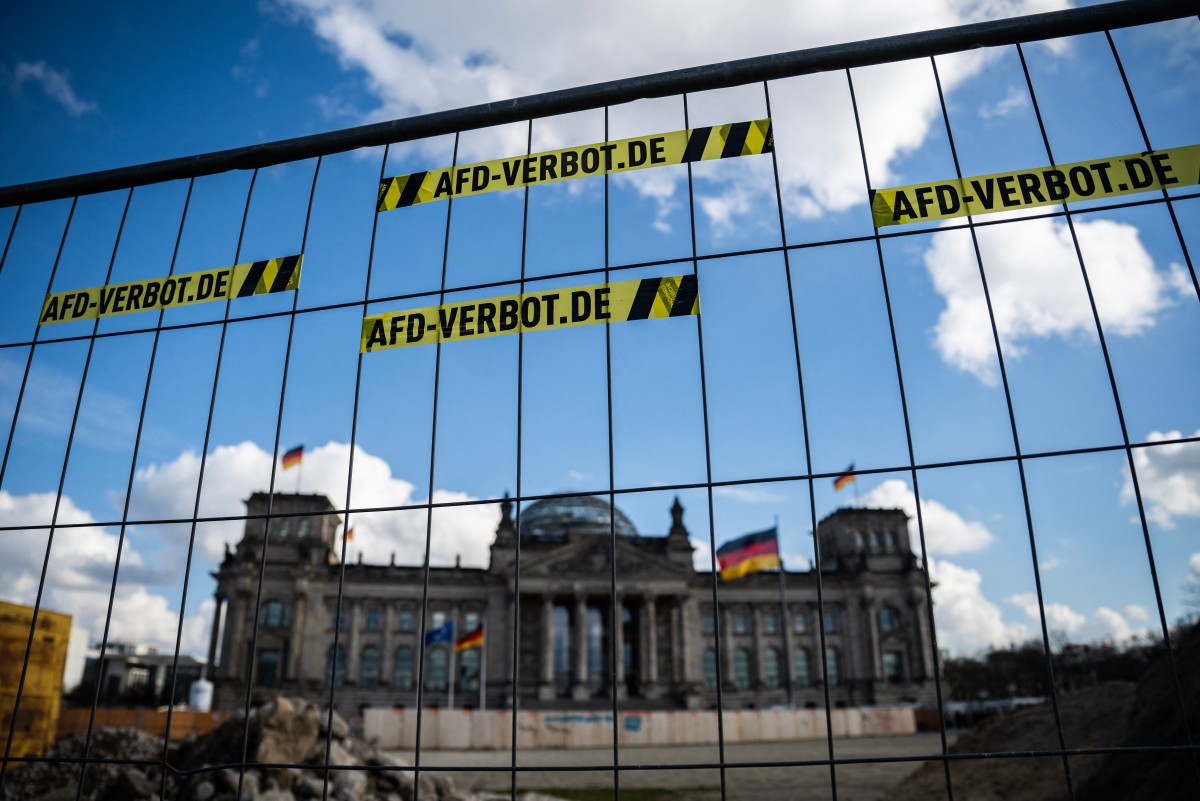
But it's not just about the AfD. The CDU/CSU alliance has moved further to the right and headlined its campaign on an immigration crackdown.
This wasn't only in reaction to horrific attacks perpetrated by individuals with a migrant background. The CDU/CSU has long been pushing to reverse the previous government's citizenship reform, with soon-to-be chancellor Friedrich Merz recently saying that reduced residency requirements and dual citizenship for all "creates too many problems in Germany".
What does any of this achieve?
German politicians should be talking about immigration differently. The country is in desperate need of hundreds of thousands of skilled workers from abroad each year to fill jobs and contribute to social security.
This is not to say that there should not be difficult conversations about the rules around how people from abroad can come to Germany. There are decisions to make and resources to think about on how best to support refugees, for example.
But there are better ways to do it.
Personally, I can't think of a time when embracing diversity has not enriched my life.
Moving to Berlin, a city brimming with people from different backgrounds and countries, from a smaller city in Scotland has been truly amazing. I learn all the time about different cultures and ways of doing things.
Looking at the bigger picture, we are in turbulent times. Political leaders and people across the world, including in Germany, are worried about the future of democracy and the rise of authoritarian regimes.
With so much at stake - both at home and abroad - it makes sense that Merz and the SPD are trying to pull a new German coalition government together at lightning speed.
I just wish that German leaders would recognise the contribution of immigrants to the country instead of playing into far-right narratives. As research has showed time and time and again, anti-migrant rhetoric like this only benefits the far right.
READ ALSO: The German industries that would fall apart without immigration
Hamburg votes
The voting spell isn't quite over, at least for one city!
Hamburg, a Social Democrats' stronghold, goes to the polls on Sunday, March 2nd, to vote for a new state parliament.
According to polls, the Social Democrats are still clearly ahead with around 33 percent of the vote, followed by the CDU with 18 percent and the Greens with 17 percent.
In 2020, the SPD won the parliamentary elections with 39.2 percent of the vote, followed by the Greens with 24.2 percent, while the CDU achieved its worst result in the Hanseatic city with 11.2 percent.
Thank you and auf Wiedersehen!
I'm writing this letter to you on my last day at The Local as I step down as Editor of the Germany site.
I joined the company six and a half years ago when things looked quite a bit different. Angela Merkel was still chancellor and the full force of events like Brexit, a global pandemic and Russia's war on Ukraine was yet to hit us.
Immigration was, of course, still a big talking point. Dual citizenship for all had not yet come into force. One of the high points of my time at The Local has been covering the citizenship reform along with my fantastic colleagues.
I have been so lucky to be able to bring you articles over the years about life in Germany and I am truly thankful for every opportunity.
It's been a pleasure to news gather, do interviews, send out newsletters and launch the Germany in Focus podcast (which I very much hope will return in future!)
For those of you who I've spoken to directly, I have appreciated your feedback and I have loved listening to your stories.
It is time for me to take a pause and reset. But I very much hope we meet again.
Auf Wiedersehen!
Comments