
Poll shows support for conservatives falling
A new poll suggests that support for the conservative Christian Democratic Union (CDU) and the Christian Social Union (CSU) has fallen.
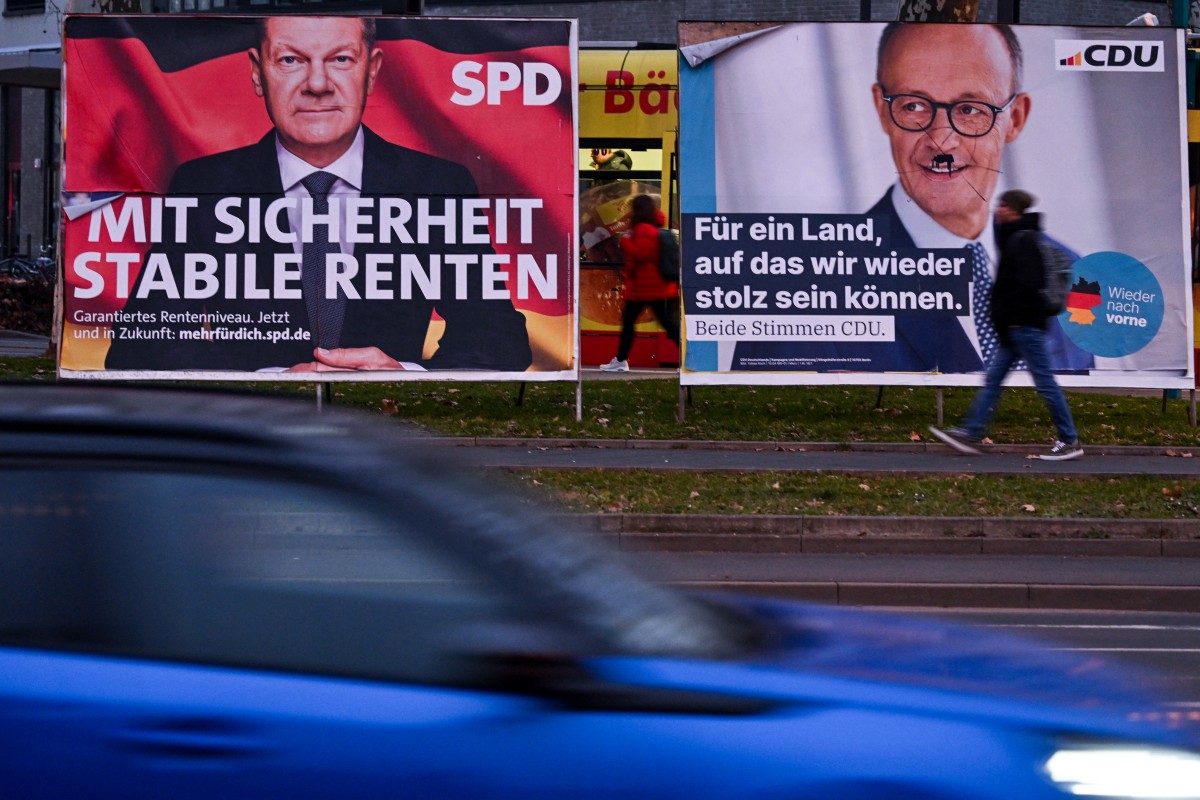
After last week's dramatic scenes in the Bundestag, where the Union's push for a migration policy overhaul was controversially supported by the far-right AfD, an election poll shows support for the bloc has fallen to its lowest level since October 2023.
In the RTL/ntv ‘Trendbarometer’, opinion research institute Forsa found that just three weeks before the Bundestag elections, the CDU and CSU have 28 percent support, a drop of two points. The AfD remains consistent at 20 percent, as does the SPD at 16 percent. Compared to the previous week, the Greens were able to gain one point, with 15 percent of the vote.
Meanwhile, the Left Party broke the five percent barrier to get into the Bundestag with exactly five percent in the voter survey, while the FDP and BSW, both with four percent, remained below the key threshold.
Opinion polls for the Bundestag elections differ, sometimes significantly, depending on the polling organisation.
READ ALSO: Which coalition governments are most likely after German elections?
Demonstrators protest during hospital visit by CDU leader
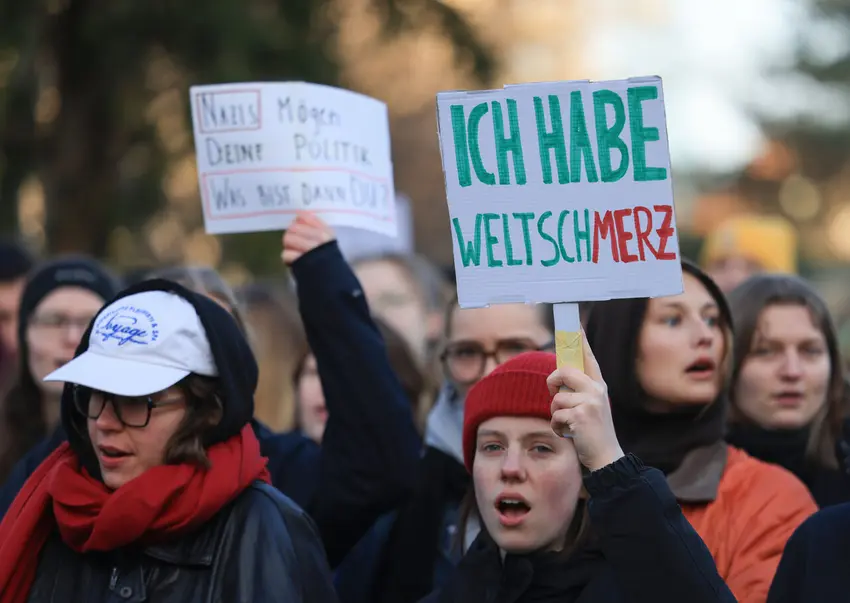
People across Germany have been protesting in recent days against the conservatives after their motion to tighten migration policy was passed in the Bundestag with the help of the far right.
On Tuesday, demonstrators descended on Cologne University Hospital during a visit by conservative chancellor candidate Friedrich Merz and his CDU colleague, North Rhine-Westphalia state premier Hendrik Wüst.
Police said hundreds of demonstrators were in attendance, with some blocking an exit from the site.
After attempts to clear the site, police managed to create a path through protesters and Merz was able to leave.
A further speech by Merz in Bonn on Tuesday evening was interrupted by protesters heckling the CDU leader and holding up a banner with the words, "CDU betrays".
The protesters were removed from the venue by security personnel.
Rents in Berlin rising sharply
In the last months of 2024, rents in Berlin rose more sharply than in any other major German city, according to a new study.
Nationwide, rents increased by an average of 4.7 percent year-on-year, a study by the German Economic Institute (IW) found.
But in Berlin, rents went up by 8.5 percent compared to the same period the previous year.
Above-average increases were also recorded in Essen (+8.2 per cent) and Frankfurt (+8 percent).
This trend is expected to continue in 2025. According to IW, only 260,000 new homes were built nationwide in 2024. In 2025, the number is expected to fall to 230,000 units. That is well below the previous traffic-light government's target of 400,000 new homes per year.
READ ALSO:

Ex-chancellor Gerhard Schröder enters clinic with burnout amid Russian inquiry
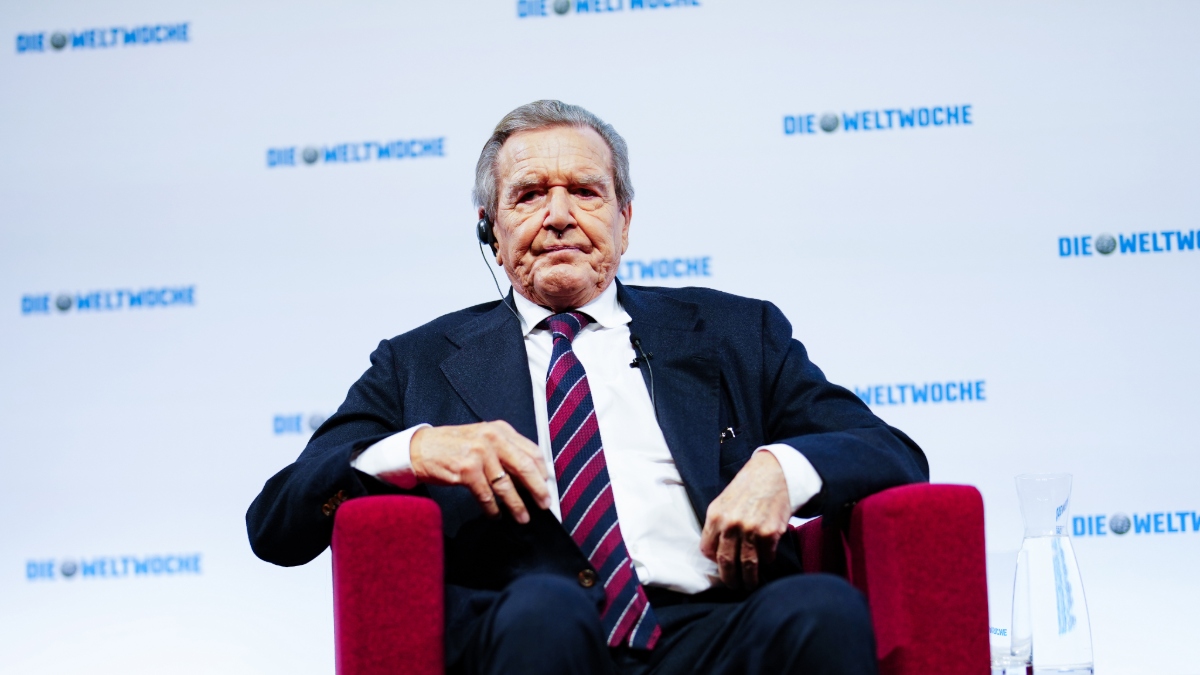
Germany's former chancellor Gerhard Schröder is suffering from a "serious burnout" and has checked into a clinic for treatment, his lawyer said Tuesday.
Schröder, 80, was experiencing "profound exhaustion and a severe lack of energy", according to a medical report, his lawyer Hans-Peter Huber told AFP.
The report was prepared for a regional parliamentary committee investigating the construction of the controversial Nord Stream 2 gas pipeline between Russia and Germany, Huber indicated.
Schröder, who served as chancellor between 1998 and 2005, had pulled out of a scheduled hearing in January in front of the committee of Mecklenburg-Western Pomerania state parliament.
The committee had suggested another date for the hearing on March 7th, which the former chancellor could "under no circumstances" attend, his lawyer said.
Schröder was having "concentration and memory difficulties", as well as suffering from disruptions to his sleep, according to the report.
READ ALSO: Gerhard Schröder - the ex chancellor turned public pariah
Vodafone suffers after German cable TV law change
Vodafone's share price slid more than seven percent on Tuesday as the British mobile phone giant suffered from lower television streaming revenues in key market Germany following a law change.
Vodafone, which provides broadband and TV services alongside its core mobile business, saw overall revenue beat expectations in its third quarter with growth of more than five percent, it said in a statement.
But revenue in Germany dropped more than six percent in the three months to the end of December from a year earlier after a change to the country's legislation prevented housing associations from bundling cable TV contracts with rent.
Television customers dropped by 66,000 to 8.83 million in the last three months of the year, Vodafone's figures revealed.
Up until July last year, many tenants in Germany paid cable TV connection fees as part of their Nebenkosten - additional costs - in their rental contract.
But the law was abolished as part of an amendment to the Telecommunications Act (TKG). Tenants now have to make a contract with providers themselves if they want a TV connection.
Despite the fallout, Vodafone chief executive Margherita Della Valle said the group was "on track to grow in line" with its full-year guidance.
With reporting from AFP and DPA
Comments