
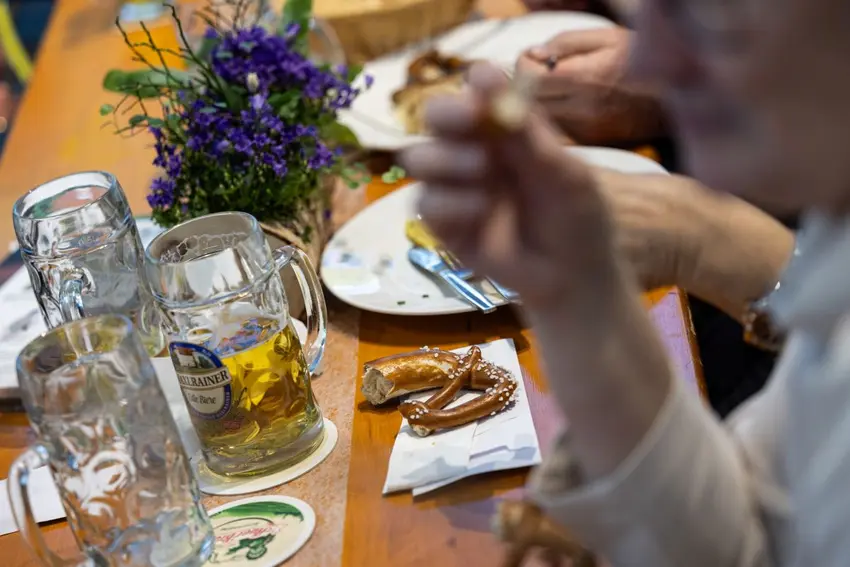
German breweries sold historically little beer in 2024, despite hosting millions of thirsty football fans for several weeks during the Euro football tournament in summer.
According to Germany's Statistical Office, German beer sales fell by two percent to 6.8 billion litres, which was the lowest level recorded since the revision of the beer tax in 1993.
The German Brewers' Association describes 2024 as a roller coaster ride. Beer sales had been up by 2.5 percent until May 2024, then the market surprisingly turned negative over the summer.
The association suggests that "erratic weather" might have dampened beer consumption somewhat, with periods of rain in spring and summer.
Beer garden visits fell during this time, and some events around the Euros getting rained out.
The month of June, which was particularly wet, was the month with the biggest drop in beer sales compared to the previous year, at minus 13.5 percent nationally.
Non-alcoholic sales keep rising
The sales figures do not include non-alcoholic varieties that are not subject to the beer tax, and have been experiencing continuously growing sales for years.
The German Brewers' Association expects that soon every tenth beer brewed in Germany will be alcohol-free.
READ ALSO: Munich opens its first alcohol-free beer garden
"The times when non-alcoholic beverages were purely for motorists are long gone," a spokesperson for the brewers association told DPA.
"Today, non-alcoholic beer is a lifestyle drink that convinces with its variety and taste."
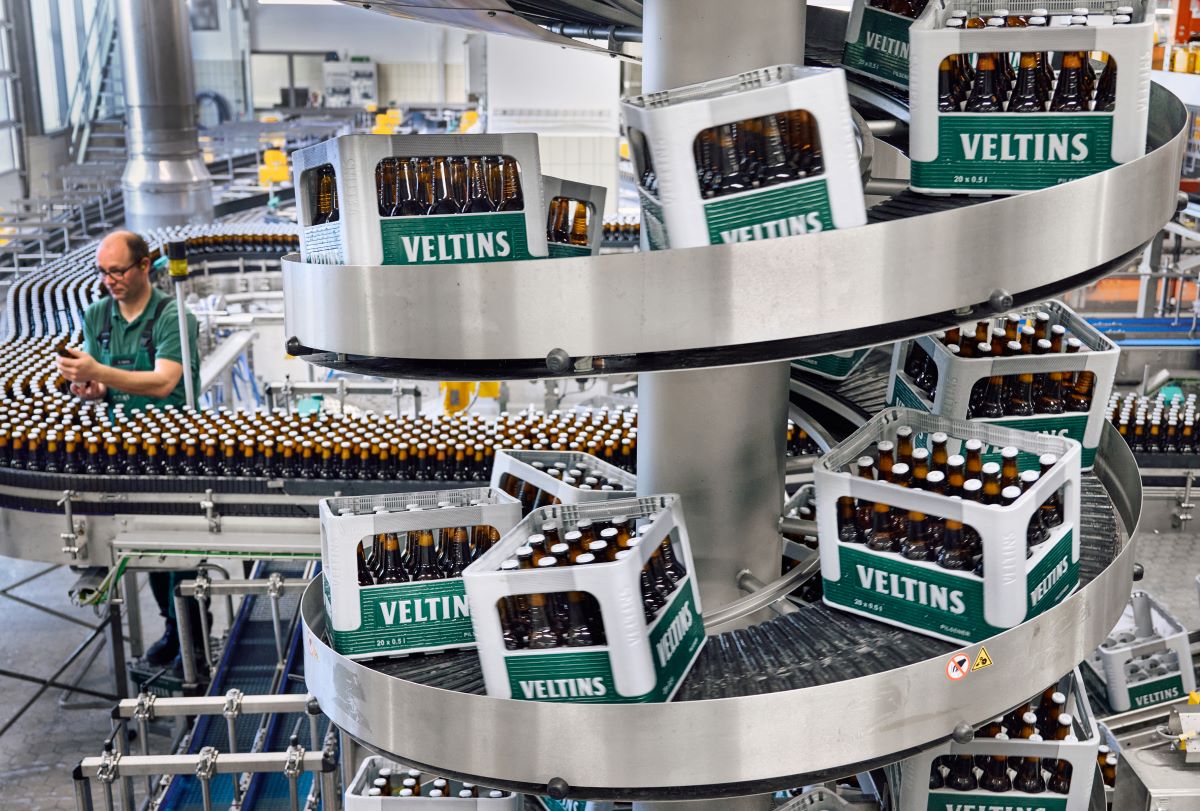
Small breweries are facing big challenges
But even the success of non-alcoholic beers cannot hide the structural crisis of the country's beer brewing industry, which is notoriously comprised of many small-scale businesses. There are around 1,500 established German breweries
READ ALSO: 365 German beers - What I learned from drinking a different variety each day
Having a market of so many small breweries can be good for customers who enjoy having a lot of options, but it can be tough for small businesses to remain competitive while navigating increasing costs.
Between rising costs, unfavourable market conditions and the need to invest in the energy transformation, small breweries around the country are facing enormous pressure.
During brewing, large quantities of liquid must be heated and cooled, which requires a lot of energy and comes at a high cost.
Brewers that can afford to do so are transitioning to cheaper renewable energy sources. The Flensburger Brauerei for example, now draws around 10 percent of its electricity from its own photovoltaic systems, and has plans for a new brewhouse to have heat pumps that draw heat from waste water.
But not all brewers can afford to invest in a new brewhouse or to install green energy technology.
"Consumers in many parts of the country should seriously worry about what will happen to the small-scale brewing industry in the future," says Veltins CEO Volker Kuhl. He added that 2024 saw the first operational closures of some smaller breweries.
Meanwhile, the slight fall in beer consumption has affected brewers big and small.
Germany's largest beer brand, Krombacher, from Kreuztal in North Rhine-Westphalia also saw a 1.1 percent drop in beer sales last year.
With reporting by DPA.
Comments