

Holidays to start the year
As always, the month (and the year) begin with a public holiday to mark New Year's Day.
Then on the following Monday is the Catholic holiday of Epiphany - called Dreikönigstag, or Three King's Day, in German.
Three King's Day is not a national holiday but it is a public holiday in the states of in Baden-Württemberg, Bavaria and Saxony-Anhalt. Reader's in those state can expect most businesses to be closed on the 6th.
READ ALSO: How employees in Germany can make the most of public holidays in 2025
Money and tax changes from January 1st
A number of changes to German tax and wage policies that will affect residents are set to come into effect from January 1st - many of which were only just finalised by lawmakers in the final weeks of 2024.
The minimum wage increases from €12.41 to €12.82 per hour.
Also, for those starting an apprenticeship (Ausbildung) this year, the minimum starting salary for those positions is to increase by 4.7 percent to €649 per month.
The basic tax-free allowance, or the limit to income you can ear before owing tax, will also increase to €12,096 for 2025.
Tax payers with children will also see the child allowance raised to €9,600.
Or, for those who receive the child cash benefit (Kindergeld), that amount will be increased by €5 to €255 monthly. On top of that, the "immediate child allowance" (Kindersofortzuschlag) which is offered to low income families will also increase by €5 to €25 monthly.
On the other hand, higher social security contributions can be expected for some individuals with high incomes going forward. For statutory pension insurance, the income cap for contributions will rise up to €8,050 monthly. The contribution ceiling for statutory health and long-term care insurance is to rise to €5,512.50 monthly.
READ ALSO: The planned money and tax changes in Germany in 2025
Germany's long-discussed (and somewhat fraught) property tax reform is will take effect in January. From then on, different methods will apply in the federal states, which means that how much a homeowner owes will vary by region.
On a lighter note, if you have a homebrew hobby, you may benefit from an added tax-relief measure which comes into effect in January. Going forward you can brew up to 500 litres of beer per year (for your own consumption) tax-free.
Finally, Germany's CO2 price (a form of tax on greenhouse gas emissions) increases from €45 to €55 per tonne. This is expected to slightly increase the price of fuels like gasoline and diesel. A litre of gasoline could cost the equivalent of 2.4 cents more, according to DPA.
Deutschlandticket price increases
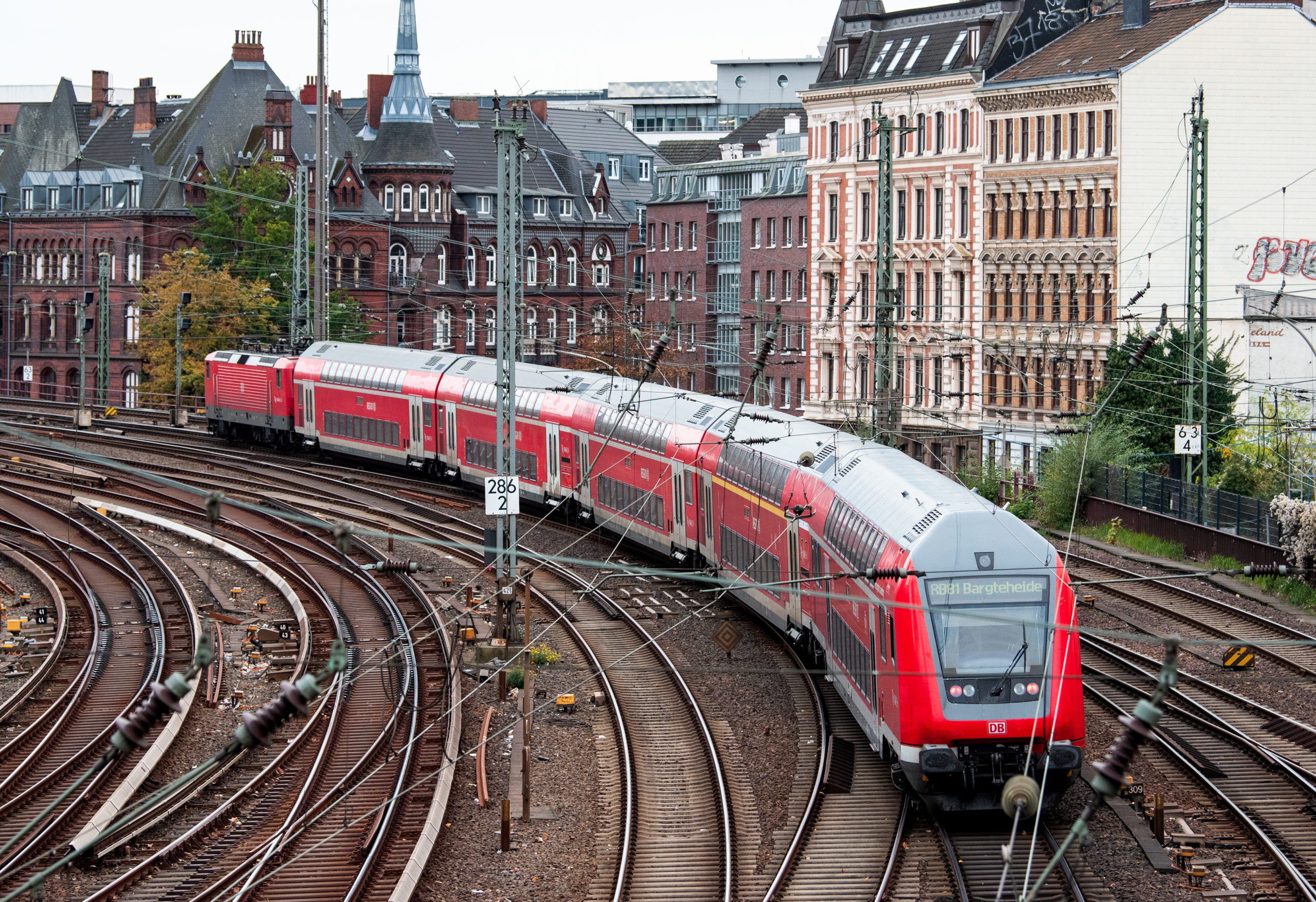
Another notable change to come with New Year's Day is the increase in price of the Deutschlandticket, Germany's travel pass for local transport throughout the country. The monthly subscription will cost €58 per month from January instead of €49.
If you are a Deutschlandticket subscriber, you'll need to have confirmed your agreement with the price increase with Deutsche Bahn (via a link in an email from the company or online) for your pass to continue working.
The UK will continue to roll out its Electronic Travel Authorisation (ETA) in January. The ETA requirement is already in place for citizens of certain countries, but will be extended to all non-EU nationals entering the UK from January 8th. So non-EU citizens travelling from Germany to the UK will need to apply for a £10 visa waiver.
READ ALSO: The big changes for travel in Germany in 2025
Electronic patient records introduced and health insurance payments rise
The roll-out of the electronic patient record (ePA) for people with statutory health insurance begins from January as well, which is intended to facilitate the exchange of documents between different medical practices or with pharmacies.
Patients' health data such as X-rays, doctor's letters and laboratory results will be stored in the electronic file, unless you opt-out.
The electronic patient record is initially to be tested from January 15th in two model regions in Franconia and Hamburg, and later rolled out nationwide.
READ ALSO: The big healthcare changes in Germany in 2025
People with statutory health insurance can also expect to pay a bit more this year, with some insurance companies having already announced rate increases that will take effect in January.
The compulsory insurance limit also rises to €73,800 this month. People who earn more than this can opt-out of statutory insurance if they enrol with a private health insurance company instead.
Higher postage and slower mail
From January, a standard letter in Germany will cost 95 cents, which is 10 cents more than in 2024.
Other packages sent in the mail will also becoming more expensive. Swiss Post is also abolishing the 'priority letter', so to send urgent mail you'll need to opt instead for registered mail going forward.
READ ALSO: Why sending post in Germany will get more expensive in 2025
Additionally, delivery times for letters will slow down from January. A government regulation which had required the postal service to deliver 80 percent of letters on the next working day is being relaxed. Instead 95 percent of standard letters should be delivered by the third working day after posting.
Schufa issues to be removed faster
Anyone who's rent or bought property in Germany will be familiar with the Schufa - essentially a record of anytime you've missed a payment or defaulted on loans etc.
Starting January 1st, one-time delayed payments will be deleted from your Schufa record after 18 months, compared with 36 months previously.
The shortened timeline only applies for invoices which were paid within 100 days.
Chemnitz named European Capital of Culture in 2025
On January 18th, the eastern city of Chemnitz will kick of its year as the "European Capital of Culture".
The Saxon city bears the title, along with 38 municipalities from the surrounding Ore Mountains, Central Saxony and Zwickau regions. Chemnitz and towns in these regions will host over 1,000 planned events through the course of 2025.
With reporting by Rachel Loxton and DPA.
Comments