

Inside Germany is our weekly look at some of the news, talking points and gossip in Germany that you might've missed. It’s published each Saturday and members can receive it directly to their inbox by going to their newsletter preferences or adding their email to the sign-up box in this article.
German political parties launch their national campaigns
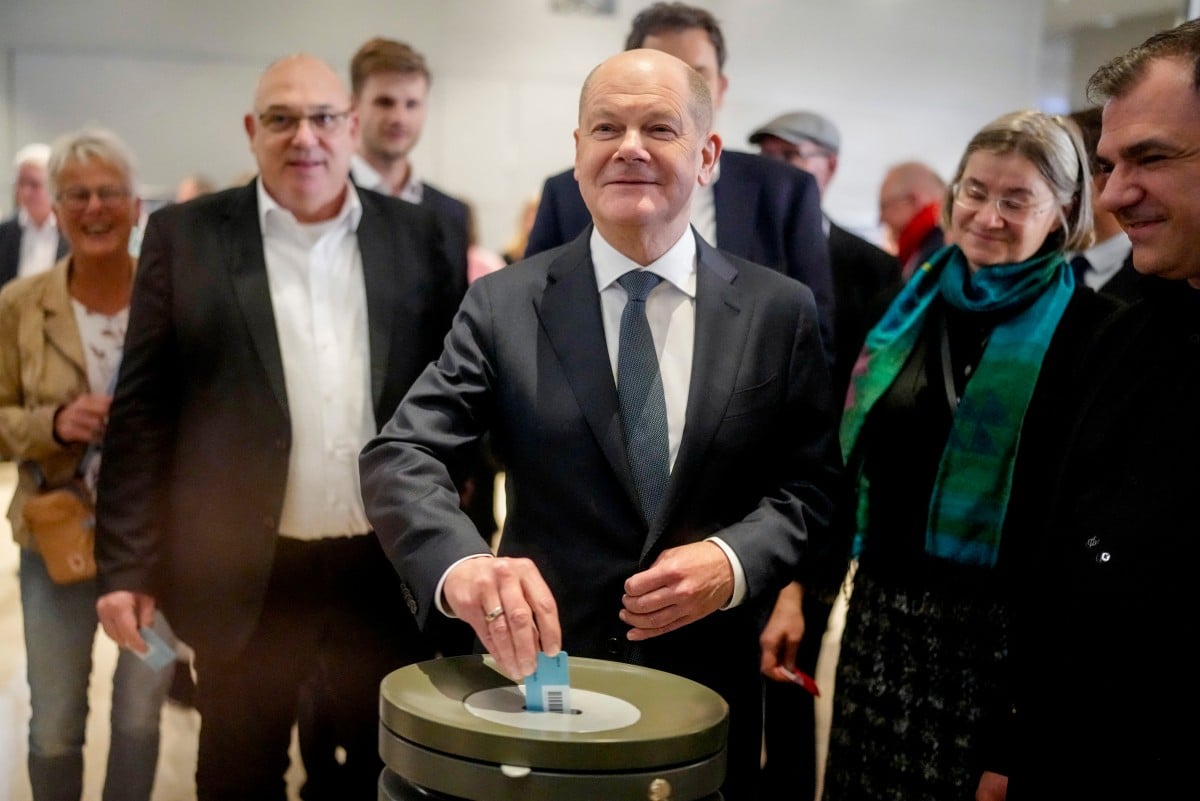
Following the vote of confidence that Chancellor Olaf Scholz lost on Monday (as expected), Germany is firmly on track to go to the polls for a new national election on February 23rd, and political parties are ramping up their campaigns.
On Tuesday, the major parties released their campaign manifestos, outlining their major goals for the coming term and giving a good sense of the speaking points we’ll be hearing about in the coming weeks.
The Social Democrats (SDP) and the Greens are positioning themselves as supporting Germany’s working class. The SPD campaign is promoting free school lunches, cuts to value added tax on groceries and tax reductions for the majority of residents. The Greens have proposed a "billionaire's tax” and re-introduced the concept of Klimageld (Climate money), as well as other support for low-income families.
Both parties want to raise the minimum wage, and are staunch advocates for continuing to support Ukraine’s defence against Russia.
Leading the opposition is the conservative Union – made up of the Christian Democrats (CDU) and the Christian Socialists (CSU) – which says it's focused on stimulating the economy and tightening immigration policies.
Of potential concern for foreigners, the Union has said it wants to repeal a number of recent legislative changes, among them the dual citizenship law which gave foreign residents the ability to naturalise as German without giving up their home country citizenship.
The Free Democrats (FDP) and the Left Party are both hoping they can win at least five percent of the vote to remain in the Bundestag next year: the FDP by pushing for a reform of insurance contributions, whereas the Left Party is looking to address cost of living issues.
Meanwhile, Sahra Wagenknect's BSW generally agrees with social welfare policies, but sets itself apart from other “left leaning” parties by calling for tougher immigration policies and the end of military support for Ukraine.
The far-right Alternative for Germany (AfD), which got a fervid endorsement from Elon Musk on Friday and ranks second in the latest national polls, is pushing for Germany to exit the European Union and the euro currency – along with its usual hardline stance against immigrants and denial of climate change.
READ ALSO: German elections - The key party pledges that will affect foreign residents
Where’s the 'Weihnachtsgurke'?
If you look around the craft stalls at your local Christmas market, or among the items on display at a kitschy gift shop (like Käthe Wohlfahrt), you might just find a pickle ornament among the more traditional bulbs and stars and stockings.
Perhaps you’ve heard about German Christmas pickle – the one which is hidden on the family Christmas tree for the children to find.
The thing is… most people in Germany have never heard of this quirky tradition, and most of those who have don't practice the custom themselves.
i love that the "Christmas pickle" is widely believed to be a German tradition but was probably invented by US department stores in the 1890s pic.twitter.com/fDNmaSFXAb
— depths of wikipedia! (@depthsofwiki) November 15, 2022
There are a number of hypotheses about where the idea may have come from. But whether it’s truly an Old World custom, or just the result of an American marketing gimmick, we may never know for sure.
READ ALSO: Are Christmas pickle ornaments really a German tradition?
Time to close up shop
In other news, the final days of the advent are upon us and many living in Germany will be looking forward to a couple of well-deserved weeks off work, until after the start of the New Year.
But of course, it’s good to be aware that shops will also be closed during the holidays, and many will have reduced hours on Christmas and New Year’s eve.
When in doubt check our guide to what’s closed before you go out. (Pro-tip: some supermarkets in major train stations stay open on Sundays and holidays.)
Until next time, Fröhliche Weihnachten from all of us at The Local.
Do you have a favourite German holiday tradition? If so, please let us know!
Comments