

When Turkish citizen Selahattin Sarioguz set about applying for a Schengen visa for his 9-year-old son, he was expecting a relatively smooth process.
After moving to Düsseldorf three and a half years ago, he had recently secured a permanent residence permit, and had heard that his son Aslan could get a two-year family member visa that would allow him to come for regular visits from Istanbul.
Selahattin applied for an appointment at the German Consulate in Istanbul in May, hoping to receive the visa in time for a summer trip where he could give his son a better flavour of life in Germany.
But when the application was rejected on a technicality, all the 42-year-old's plans - and many of his reasons for moving to the new country - suddenly evaporated into thin air.
"The disappointing thing for me was that for four years I've been explaining to my son that I've been doing this for our future," Selahattin told The Local. "And following this decision, this wrongful decision, all my arguments went out of the window. It ruined everything."
Faced with the disappointment of not seeing his son, and bewildered by the denial of the visa, the financial controller said he even began contemplating a move back to Turkey.
"If my son cannot enter the country where I live, there is no reason for me to stay," he explained.
During his time in Düsseldorf, Selahattin had visited Istanbul on a monthly basis to keep in touch with family back home - but Aslan and his mother had only managed to visit Germany twice.
For the father of one, the summer visit would have been a time to show Aslan how other children live in Germany - such as riding their bikes to school in the morning - and give him a taste of a more peaceful pace of life.
His ultimate goal, he said, was for his son to move to Germany with him and get the best start in life.
"Nowadays the trend is for our young people in Turkey to move out, get a higher level education and experience a more freedom-based life," he said. "That's also my hope from him when he grows up."
Blanket rejection
According to the Istanbul Consulate, the reason for the denial was that the date of the planned visit - August 19th - had already passed when they reviewed the application, and the visa could not be issued retroactively.
However, Selahattin points out that he started the process four months in advance of his son's trip, but bureaucratic delays had pushed things back to the last minute.
At the Düsseldorf immigration office, for example, his request for a so-called "declaration of commitment" - a crucial document in the application process - was granted a full three months after he applied in April.
READ ALSO: How delays to get a residence permit impact foreigners' lives
In Istanbul, meanwhile, the invitation to book an appointment came on August 1st - nearly three months after Selahattin had applied for this service on May 9th.
All of these delays meant that, by the time he applied on August 6th, he had just 13 days left until his son's visit.
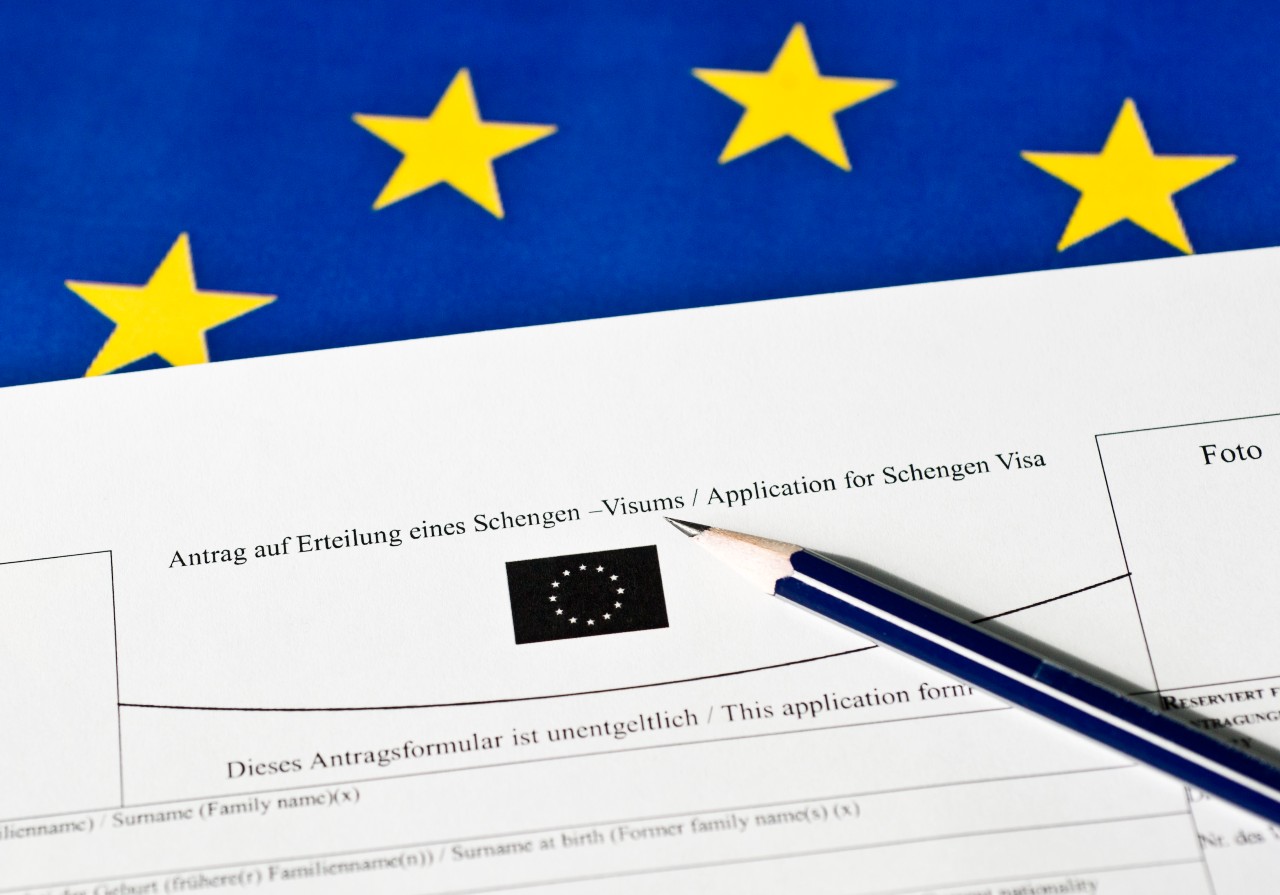
Nevertheless, he was shocked to hear that the authorities had simply rejected his application without asking him to suggest an alternative date.
"It's not acceptable from my side because I didn't mention any specific plans, any specific meeting, any specific concert, sporting event, or anything like that," Selahattin said.
"I tried to explain that the trip is just about fostering our father-son connection."
According to Sven Hasse, an immigration lawyer based in Berlin, the response from the authorities in Selahattin's case was a highly unusual one.
Under EU law, applications have to be processed within a maximum of 15 days, meaning that the rejection was within the legal range, he said.
However, short-notice applications are not usually rejected outright.
"If they say you fulfil all the requirements except the date has been expired, then they would normally ask whether you want to travel now or you want to postpone it or withdraw your application," the lawyer told The Local.
"So in my mind, it's a little bit strange that they simply rejected the application."
READ ALSO: EXPLAINED - Where to get free immigration advice in Germany
Appealing the decision
As soon as Selahattin received his rejection, he set about appealing the decision by writing to the Administrative Court in Berlin, which was listed in the letter.
He argued that he would have been happy to push his son's visit back by a few days in order to make time for the visa to be processed, and that the delay in his application was due to backlogs at the Consulate in Istanbul.
He also pointed out his status as a skilled worker who worked and paid tax in Germany, who was simply asking for a chance to see his son during the school holidays.
"This rejection has shaken me deeply," he wrote. "I hope this is just an administrative error and ask you kindly to correct this mistake."
On September 25th, Selahattin finally received a letter from the court, telling him his son's two-year visa would be granted, provided he withdraw his lawsuit. He immediately accepted the terms and set about planning his son's trip for early November, when schools in Turkey take their autumn break.
READ ALSO: Should foreigners in Germany take legal action to speed up a residence permit?
"When I received this letter, it made my day, made my week, it made my month again," he said. "Here in Düsseldorf all birds are singing, all trees are green."
Since then, Aslan has visited his father in Germany - a trip which Selahattin said they both enjoyed in spite of the less-than-summery weather.
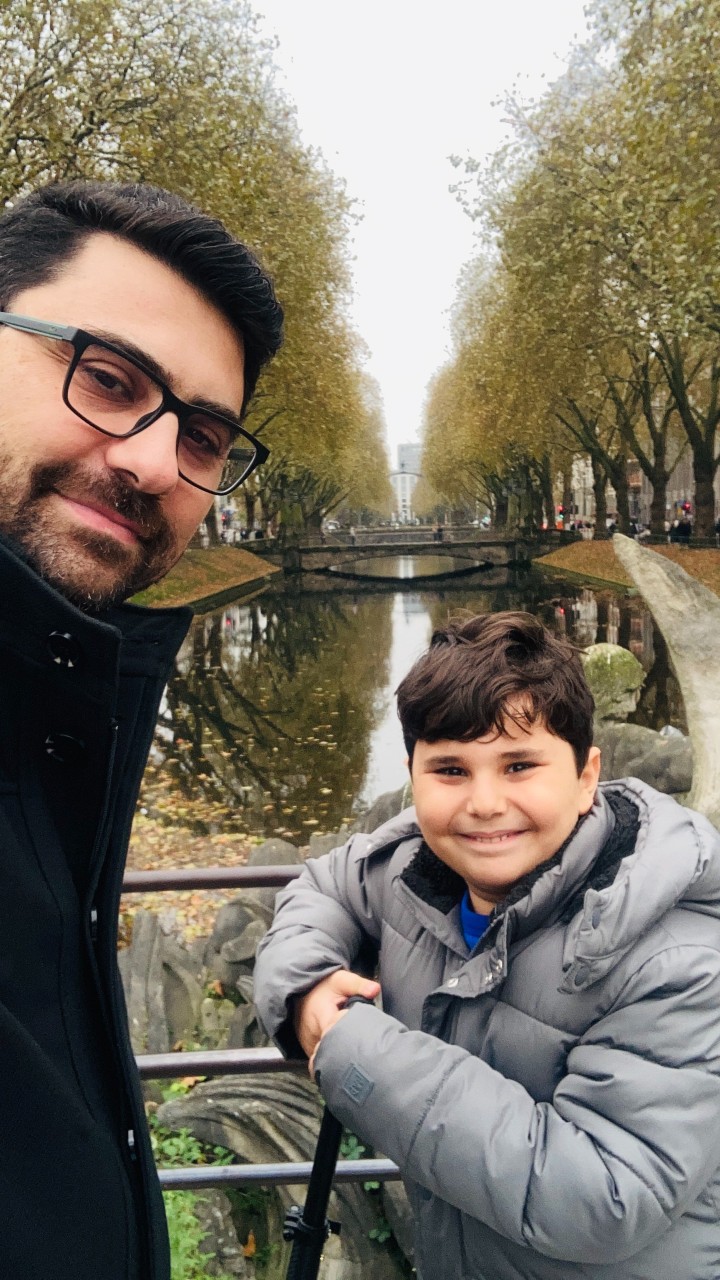
The Local reached out to the German Consulate in Istanbul and the Düsseldorf immigration office to ask for a comment on the case. The Düsseldorf immigration office declined to comment, and the Consulate did not get back to us.
'Disappointing'
The experience has been a painful lesson in how wilful and inflexible German bureaucracy can be.
"I believe that there's a real disconnect here between what the politicians are trying to do - like hosting highly qualified people from other countries - and the people who are making these decisions," Selahattin said.
"It's really concerning and disappointing."
Moreover, at the international company he works for, Selahattin was struck by the response of his colleagues, which made him wonder if ordeals like his were far more common than he imagined.
READ ALSO: Why Germany struggles to attract the thousands of foreign workers it needs
"When I shared this development with my German colleagues, no-one was surprised, everyone gave the same reaction," Selahattin said. "In Germany, you always need to be fighting against the German system. This is always happening here."
Though Selahattin's problem is resolved, the question marks it raised remain. Though Germany claims to want foreign workers, is it really doing enough to keep them?
Share your views: What could Germany do better to attract foreign skilled workers?
Comments