
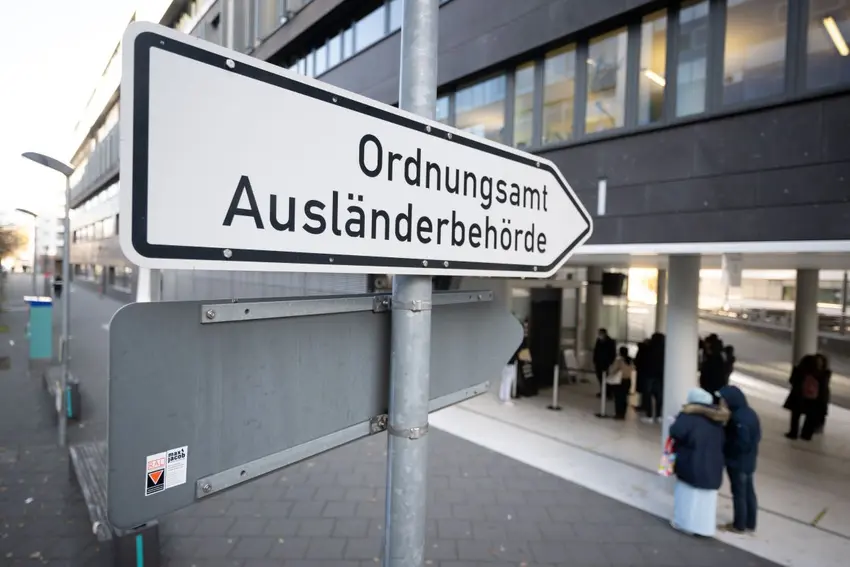
If you’ve been left waiting weeks or even months to hear back about your application for a residence permit from an immigration office in Germany, you’re not alone.
Immigration authorities around the country have been increasingly burdened by staff shortages, which is causing wait times for residence permit applications to stretch to sometimes unreasonable lengths.
In some cities, residents told The Local that the process to receive or renew a residence permit took years.
Asked about current processing times, a spokesperson for Berlin's immigration office (Landesamt für Einwanderung - LEA) told The Local that there are currently delays of up to five months in some cases. However, they added that in other cases, applications are processed within weeks - depending on the individual application.
Being left waiting for a residence permit can have serious impacts on your life. There’s the stress of waiting to find out if you will be legally allowed to remain in Germany. Also, you may be unable to leave and return to Deutschland until your next residence permit is granted.
Following advice given online and in some expat forums, some readers want to know if they should sue their local immigration office to elicit a response on their application.
Here’s what you should know about how you can ensure the fastest response possible to your residence permit application, and when you may want to consider legal action:
How to get a faster response from the Ausländerbehörde
The best thing you can do as an applicant is to make sure that you’ve gathered every necessary document for your residence permit, and organised your application as best you can.
Fabian Graske, Attorney at law and co-founder of Migrando Rechtsanwälte, which offers legal services for immigrants in Germany, confirmed to The Local that double checking the completeness of your application is the best first step to ensure a quick[er] turnaround.
He added that it’s also best to obtain a written confirmation from the authority that shows when the application was submitted and what information was provided.
“This can be helpful for tracking the application later,” Graske said.
This advice is also true for naturalisation applications.
READ ALSO: EXPLAINED: How to get a speedy response on your German citizenship application
If your local immigration office collects applications through an online portal, or a contact form as is currently the case in Berlin, you may want to combine different documents (such as your ID, Anmeldung, work and housing contracts etc.) into a single PDF document. Make sure that everything is easy to see and read, and include your name in the file name for the document.
If you’ll be visiting your office for an in-person appointment to turn in documents, make sure you’ve photocopied the original documents that are required, and organised them so that you can easily hand them over as needed.
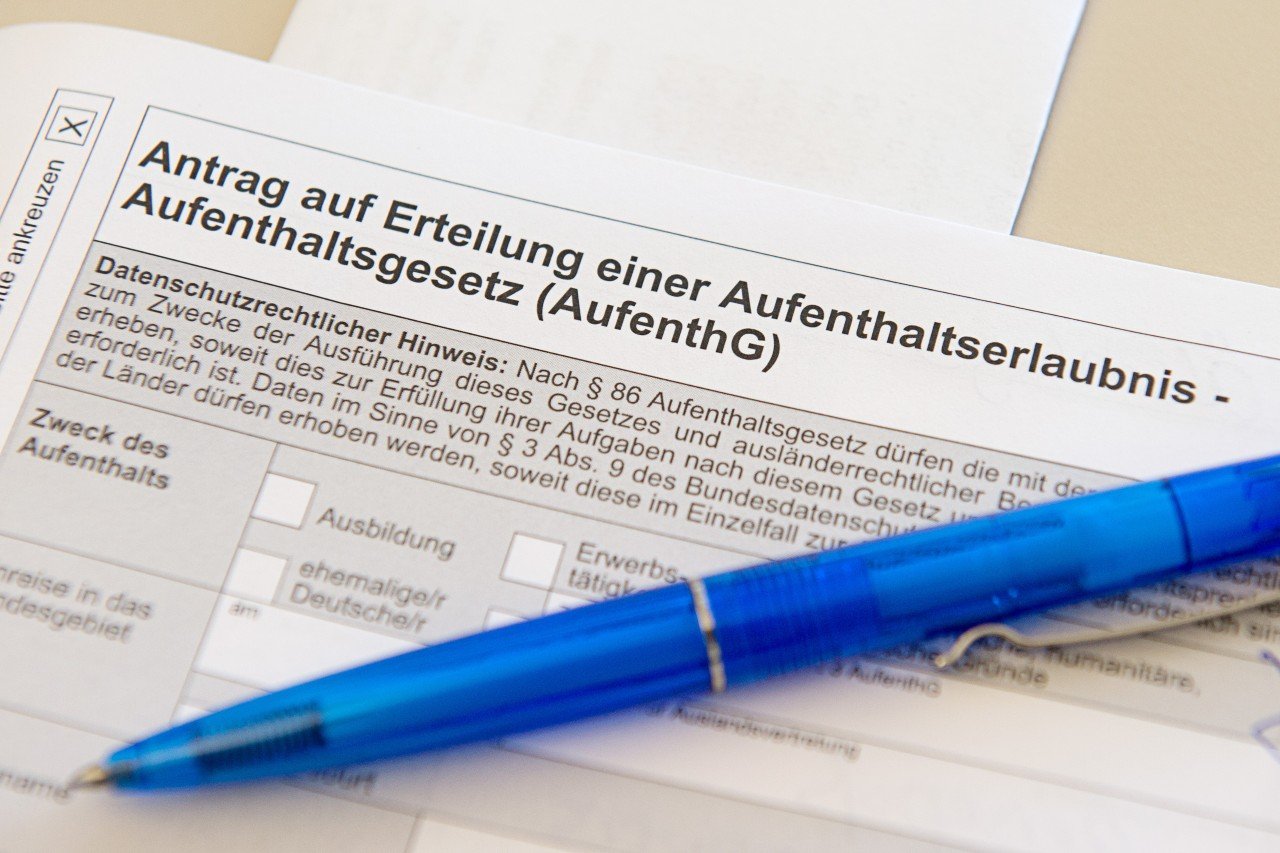
Living on a ‘temporary stay permit’
Generally, when you need to renew your residence permit, you are advised against turning in an application until at least eight weeks before your current visa expires. This is intended to prevent a surge of pre-emptive applications clogging the system.
But in many locations, it's unlikely that you’ll hear back or be given an appointment within eight weeks. In this case you should receive a temporary stay permit, called a Fiktionsbescheinigung, which allows you to legally reside in Germany until the immigration authority has made a decision on your application.
This Fiktionsbescheinigung can come in different forms: for example, in some places it's a green paper that you'll get in the mail, whereas in Berlin you’ll receive it initially in the form of a printable PDF that pops-up once you have submitted an application online.
While your temporary stay permit should be sufficient when dealing with banks, landlords, employers or police etc., in many cases it doesn’t allow you to re-enter Germany.
This means you may essentially be barred from international travel until your next residence permit has been issued. Read your Fiktionsbescheinigung carefully to check if it allows travel or not.
If you do need to travel during this time, and your temporary permit does not allow it, you are advised to contact the authorities to ask for an emergency travel permit.
When should you consider legal action?
According to Section 75 of the German Code of Administrative Court Procedure, the Ausländerbehörde is required to make a decision on your application no later than three months after receiving it.
Technically after that amount of time, you could take legal action to ensure that they process your application promptly.
Legal action in this case usually means filing an Untätigkeitsklage, which is basically a legal complaint against an administrative agency for their failure to act.
Fabian Graske told The Local that since the start of 2024, Migrando “has frequently recommended submitting such lawsuits”. He added that the firm has had success in accelerating these cases through a combination of well-prepared applications followed by in-action lawsuits when necessary.
READ ALSO: 'So many barriers' - What it's like applying for permanent residency and citizenship in Germany
Sven Hasse, a lawyer specialising in migration law, confirmed that this action can be brought against the immigration office after three months. But he cautioned that whether or not filing an Untätigkeitsklage makes sense depends on the individual case.
“In the worst case, a lawsuit can also accelerate the rejection of an application,” Hasse told The Local, adding that filing a lawsuit can also be a cost risk.
According to information provided by the All About Berlin website, you can expect to pay around €400 in legal fees to go forward with a case against the immigration office. But this cost depends on the lawyer or legal service you choose, and could be expected to go up if your case goes to court or take additional effort. In the event that your case goes to court and you win, the state would cover your legal fees.
But the Ausländerbehörde could also decide simply to process your application immediately, in which case you’re stuck with the legal costs no matter if you get the residence permit or not.
Comments