
November has been a whirlwind month in German politics, with the sudden collapse of the coalition government raising the spectre of early elections.
After initially planning new federal elections for March next year, Chancellor Olaf Scholz (SPD) came under intense pressure from business leaders and opposition politicians - and the general public - all of whom were calling for a rapid end to the political deadlock.
As it stands, a confidence vote - which Scholz is expecting to lose - will take place on December 16th, followed by the dissolution of the parliament on the 27th and fresh elections on February 23rd 2025.
Until then, Germany is all but at a standstill, with a lame-duck government uncertain of clearing the last few projects on its to-do list. At the same time, the country is facing a barrage of problems.
READ ALSO: How foreigners in Germany feel about early elections
This month, research institute Ipsos aimed to find out what Germans are thinking in the run-up to the federal elections. In its 'What Worries the World' survey, which is carried out in 29 countries, researchers track the key preoccupations of the general population.
Here's what they found out in November.
What are Germans most concerned about right now?
According to Ipsos, immigration is the biggest worry at present, with 44 percent of Germans currently ranking migration as one of their top three concerns.
Concerns about immigration reached the top of the barometer for the second month in a row, replacing crime and violence, which took this position for the first time in September this year.
Between October and November this year, immigration fears rose by two percentage points on the barometer, putting this issue at its highest ranking since October last year.
In a global comparison, no other country surveyd by Ipsos showed such a big preoccupation with immigration as Germany.
This could explain the success that anti-migrant and migration-sceptic parties like the far-right AfD and the centre-right CDU/CSU are currently enjoying in the polls.
What else was high up on the list?
Alongside immigration, financial worries were among the biggest issues troubling the German population this month.
Fears of inflation (33 percent) and poverty/social inequality (31 percent) have increased significantly in Germany in the run-up to Christmas.
These problems now concern around a third of German citizens - an increase of six percentage points each compared to in October. A year ago, however, these two issues were even more important to Germans, at 38 percent and 34 percent respectively.
READ ALSO: What would a CDU win in the early elections mean for Germany?
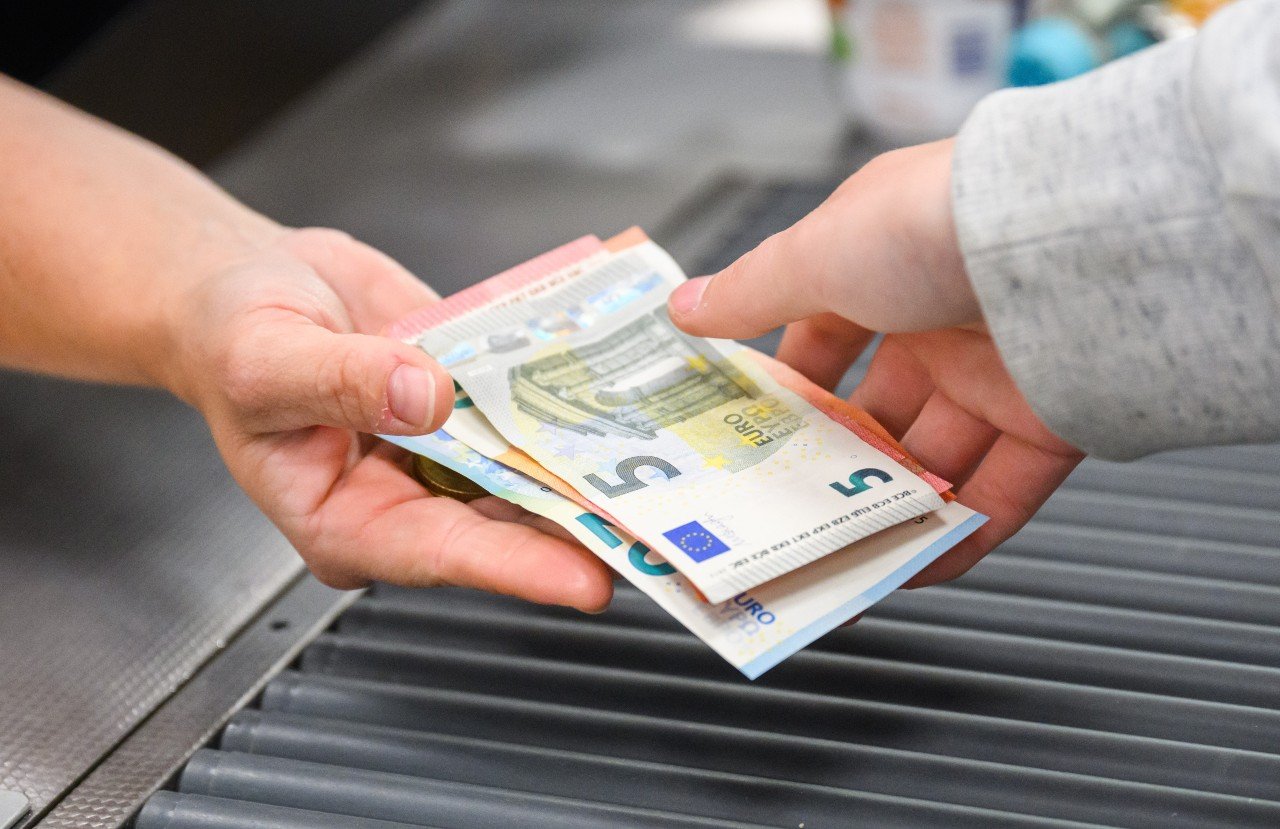
Explaining the current atmosphere of gloom, Dr Robert Grimm, Head of Political and Social Research at Ipsos in Germany, pointed to the recent hikes in the cost of staple foods.
"Butter, for example, rose in price by 9.9 percent from September to October, while the price of fresh vegetables rose by 4.1 percent in the same period," Grimm said.
In addition, the general economic mood in the country is stoking fears of poverty and social decline.
"The many announcements of job cuts in large industrial companies are further fuelling Germans' concerns about prosperity," Grimm explained. "In the upcoming federal election campaign, the parties will have to address precisely these concerns."
Beyond financial worries, a large section of the population - 29 percent - aired concerns about crime and violence. Meanwhile, climate change was a cause for concern for one in five Germans (21 percent), falling into fifth place on the worry barometer.
Healthcare (20 percent), military conflicts (19 percent) and the rise of extremism (17 percent) also ranked among the top three concerns for almost one in five Germans.
READ ALSO: How Germany is preparing for future threats of war
Despite the widespread fear of poverty and social inequality, unemployment was only a top issue for one in 10 (10 percent) of respondents, and only seven percent of respondents were concerned about maintaining social programmes.
How do Germans feel about the state of the country?
Perhaps most tellingly, respondents painted an overwhelmingly desolate picture of the country as a whole.
Less than one in four German citizens - just 23 percent - believe that Germany is on the right track, while 77 percent believe the country is heading in the wrong direction.
This figure sets a new record in the long-term study, which has been conducted for over a decade.
The level of overall negativity was matched in views of the German economy, which just 31 percent of respondents rated as "good", compared to the 69 percent who rated it "bad".
Confidence in the German economy has fallen by five percentage points since October, and by as much as nine percentage points compared to the previous year.
Comments