

In September, it appeared that Germany had turned a corner after inflation fell to 1.6 percent, the lowest level in more than three years.
But figures for October show that consumer prices rose by an average of 2 percent compared to the same month last year, indicating that we're not out of the woods yet.
Food prices and services, which include things like insurance, eating out and accommodation, are the main drivers fuelling the increase of inflation.
READ ALSO: What's behind the rise of inflation in Germany?
Which individual products and services are the worst offenders right now?
Car insurance
Prices for services on average became four percent more expensive in October compared to the same month in 2023.
And one thing you may be paying a lot more for these days is insurance. Insurance costs overall are now an average of 15.2 percent more compared to a year ago.
Car insurance has been hit particularly hard. Coverage increased in price by 31.9 percent compared to the previous year.
According to the German Insurance Association (GDV), this is mainly due to the increased costs for car repairs last year, which are a burden on insurers and are now being offset by higher premiums.
READ ALSO: How much more will you pay in German health insurance next year?
Eating out and holidays
Residents in Germany will be aware that going to a cafe or restaurant in Germany has become a much more expensive experience.
And this is reflected in the data. Compared to October last year, grabbing a meal or snack on average has become seven percent pricier.
Package holidays are also going up in price, with a year-on-year increase of around six percent recorded in the latest figures.
Butter almost 40 percent more expensive
Food prices are also continuing to go up in Germany.
Consumers had to pay 2.3 percent more for groceries in October compared to the same month last year.
One item that you may have noticed going through the roof? Butter. It has seen a whopping 39.7 percent year-on-year increase.
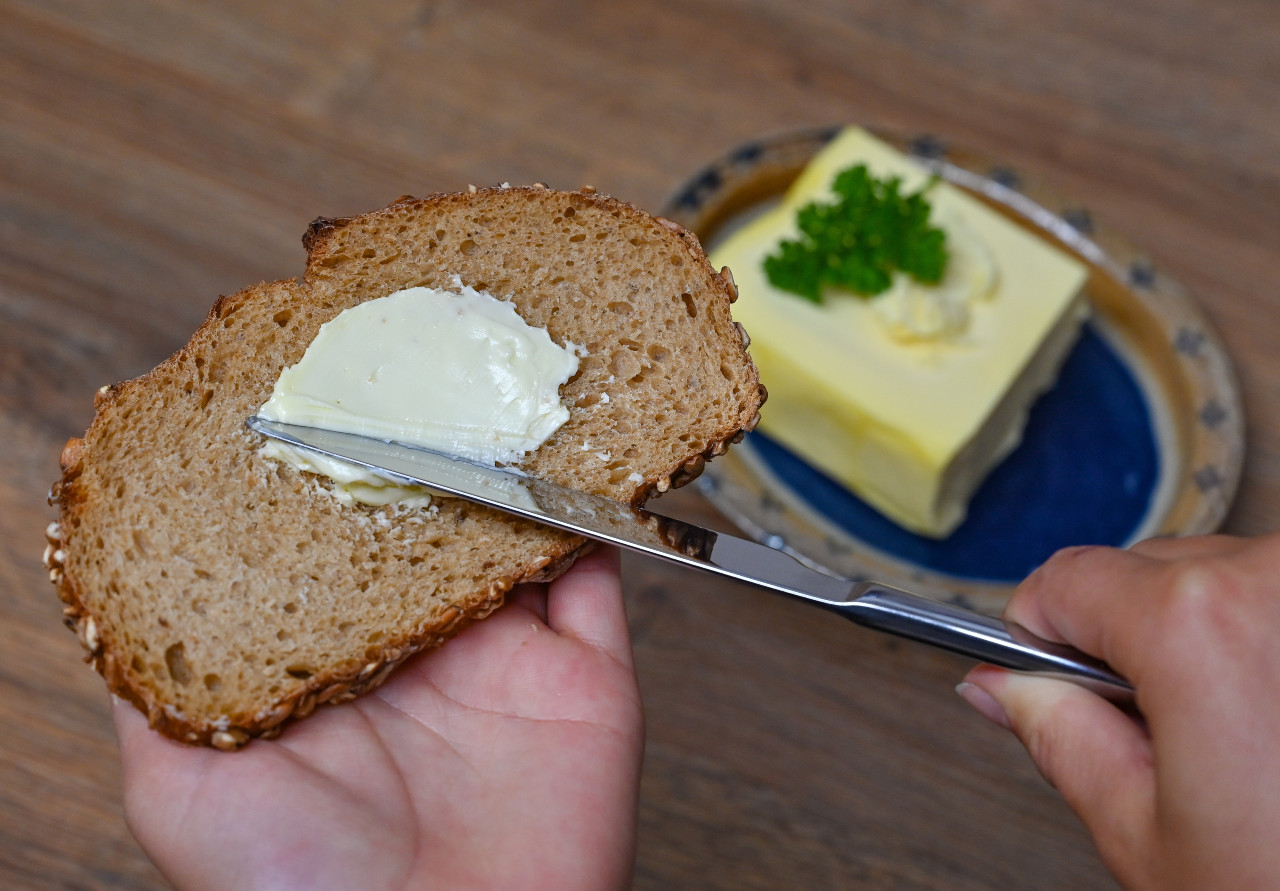
Butter prices have recently reached record levels in Germany: a 250 gram packet of butter now costs around €2.39 in supermarkets and discounters, although many brands charge even more.
READ ALSO: What's getting more expensive or cheaper in Germany?
Energy going down in cost
It's not all bad news. Energy prices have had a dampening effect on inflation although not as much as in previous months.
Energy products became 5.5 percent cheaper compared to October 2023, fuels were 8.9 percent cheaper and household energy 3.2 percent cheaper. However, district heating was significantly more expensive than in the previous year, with an increase of 31.7 percent.
Core inflation, which considers price increases excluding the volatile food and energy sectors, stood at 2.9 percent in October.
Comments