
People living in Germany have felt relief in the past months as inflation has stabilised. Since Russia's full-scale invasion of Ukraine in February 2022 and the subsequent energy crisis, the cost of living skyrocketed for residents.
But energy prices have since fallen. In June, energy became 2.1 percent cheaper on average than the previous year, according to the Federal Statistical Office.
Thanks to this development, along with and relatively stable food prices, overall consumer prices in June were only 2.2 percent higher than in the same month last year - after inflation stood at 2.4 percent in May.
READ ALSO: German inflation slows more than expected in June
But consumers will have noticed that many things are not easing in price - and some are even rising significantly.
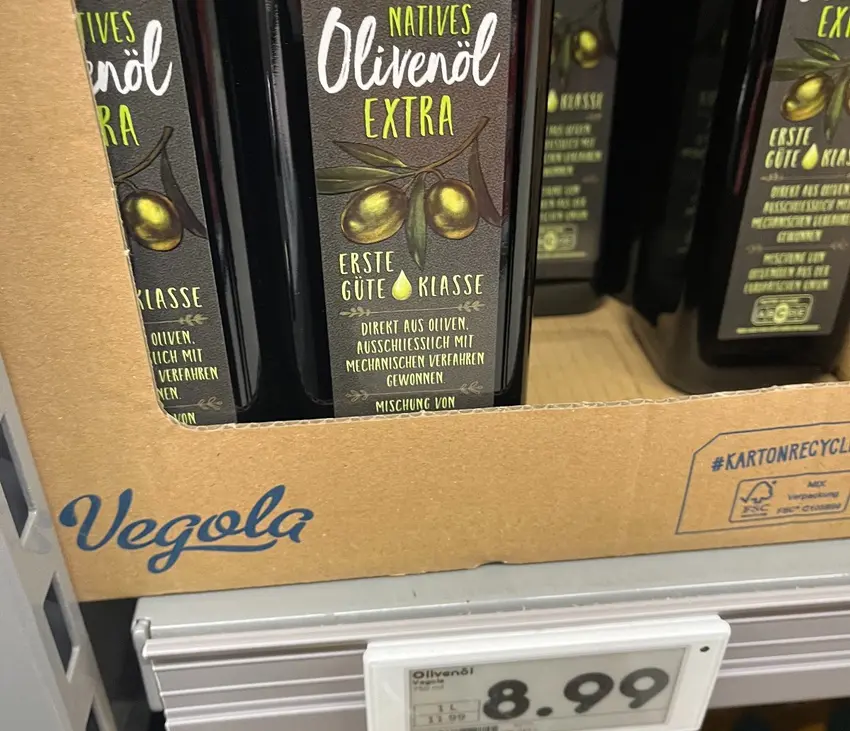
A walk around a supermarket in Germany reveals that olive oil, for instance, has become dizzyingly expensive. Researchers say that services are also getting pricier.
"Energy and food prices have dampened the inflation rate since the beginning of the year," said Ruth Brand, President of the Federal Statistical Office.
"In contrast, we are continuing to see above-average price increases for services."
What are some of the big price differences?
Prices for firewood, wood pellets and other solid fuels fell by almost 14 percent year-on-year, according to the latest stats. Electricity was 6.3 percent cheaper and natural gas dropped in price by 4.3 percent. Petrol and diesel cost 0.6 percent less in June compared with the same month last year.
However, district heating was almost 28 percent more expensive and heating oil was went up in price by almost 8 percent.
Overall, food prices rose slightly in June - but at 1.1 percent, they remained below overall inflation.
Some products were outliers. Consumers had to pay significantly more for olive oil (up 47 percent). The huge price hike in this product is due mainly to prolonged droughts in Europe over the past three years.
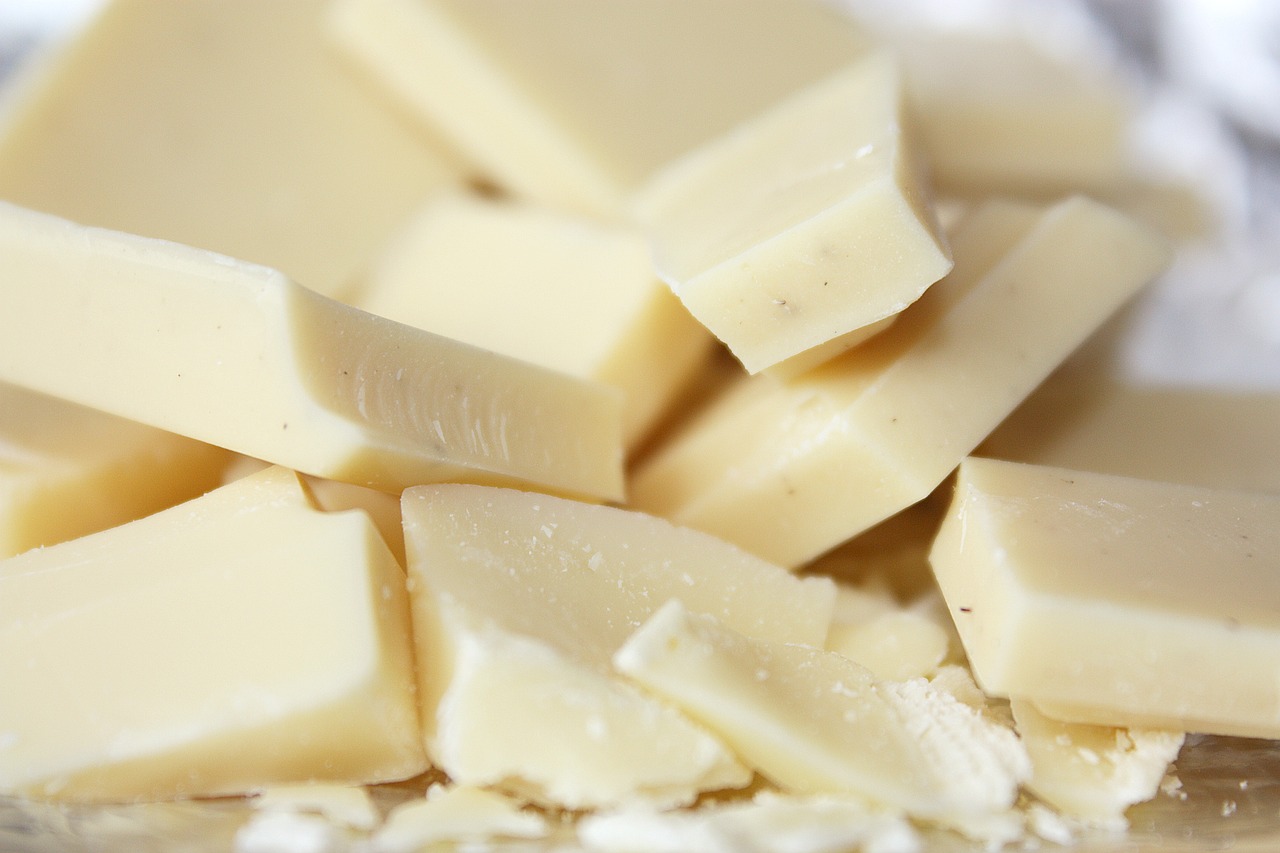
Meanwhile, sugar, jam and honey were around 6 percent more expensive than in June 2023. Alcoholic beverages and tobacco products came in almost 4 percent higher, and chocolate was up almost 11 percent. Consumers also had to pay more than a year earlier for other food groups such as fruit (+1.5 percent) and bread and cereals (+1.2 percent).
In contrast, dairy products were 3 percent cheaper compared to a year ago.
READ ALSO: Where are the cheapest and most expensive places to live in Germany?
Core inflation below three percent for first time in over two years
Excluding food and energy, the so-called core inflation rate was 2.9 percent in June - below the 3 percent mark for the first time since February 2022.
However, core inflation shows that price increases in other important areas were higher than overall inflation, with the cost of services in particular rising at an above-average rate.
The price of insurance, for instance, has gone up by more than 12 percent year-on-year. Restaurant visits are almost 7 percent more expensive for customers than a year ago on average and overnight stays are around 5 percent pricier.
The rising cost of renting in Germany is also a factor.
"Net 'cold' rents (before additional costs) also remain significant for the price development of services, with an inflation rate of 2.2 percent," according to the statistics office.
READ ALSO: Which German cities are the most expensive for residents in 2024?
Only a few services have become cheaper - including, perhaps surprisingly, tickets for international flights (down 6.4 percent).
Prices for goods as a whole rose by 0.8 percent between June 2023 and June 2024 and were therefore significantly lower than overall inflation.
Some goods nevertheless became noticeably more expensive - including tobacco products (up 5.6 percent), non-alcoholic beverages (up 5.1 percent) and shoes (up 4.5 percent).
What can we expect in the coming months?
Experts predict that the trend towards stable prices is likely to continue over the summer.
Economists expect inflation rates below 2 percent soon. If inflation falls in Germany, and the eurozone as a whole, this will give the European Central Bank (ECB) room for manoeuvre to cut key interest rates further over the course of the year.
READ ALSO: How high interest rates are hampering homeowners dreams in Germany
Comments