
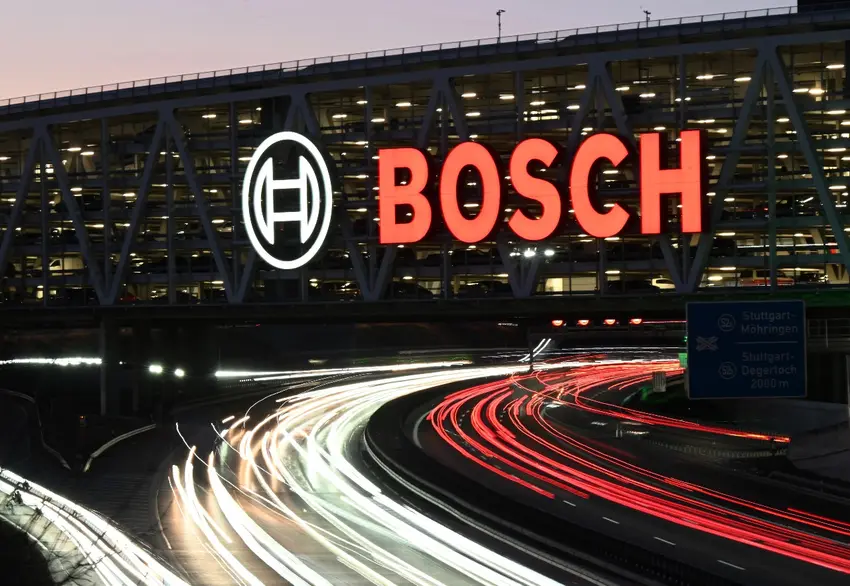
With its recent changes to its immigration and citizenship law, Germany is on the lookout for foreign young professionals right now. Europe's largest economy has a wealth of jobs in industries from tech to manufacturing, but it lacks the homegrown talent to fill the many roles available at these companies.
But what are skilled workers actually looking for when building their career in the Bundesrepublik? And what do Germany's biggest firms have to offer?
That was the question asked by Universum, an employer branding consultancy owned by Stepstone.
For the most recent Universum Young Professional Survey, almost 9,400 young professionals across Germany were asked what was important to them in their job and career. The survey was carried out between September 2023 and April 2024, with the results released for the first time on Wednesday.
They found that a brand's media and social media image, as well as a reputation for innovation, were key factors for young people seeking an employer. These factors have led to companies like Siemens, Rheinmetall and semiconductor firms like Intel, AMD and Infineon growing in esteem among skilled employees.
READ ALSO: Will Germany introduce a tax rebate for foreign skilled workers?
Which are the best industries for young professionals?
Security and defence
Since the demand for security and defence technology has increased in recent years, companies in this field have become much more attractive as employers for young professionals, Universum discovered.
In addition to Rheinmetall, Thyssenkrupp has also been improving in the rankings. Rheinmetall is thus continuing the ascent it began in 2014 and is now among the top 10 most attractive employers for young professionals with a degree in engineering.
"The public perception of the industry has obviously changed for the better. It shows once again that companies can benefit from current social developments and greater media attention," said David Falzon, who heads up the German branch of Universum.
"The prerequisite is that they have a strong employer brand to capitalise on and strengthen the momentum. Rheinmetall has managed to do just that and has been able to position itself much more strongly among young engineers with the topics that are important to them."
Aerospace and transportation
Lufthansa and Airbus, the biggest brands in Germany's aerospace industry, have been going from strength to strength in recent years when it comes to attracting talent.
According to Universum, these companies are associated with a high earning potential in the future, with around 33 percent of the survey respondents naming this industry as a lucrative one.
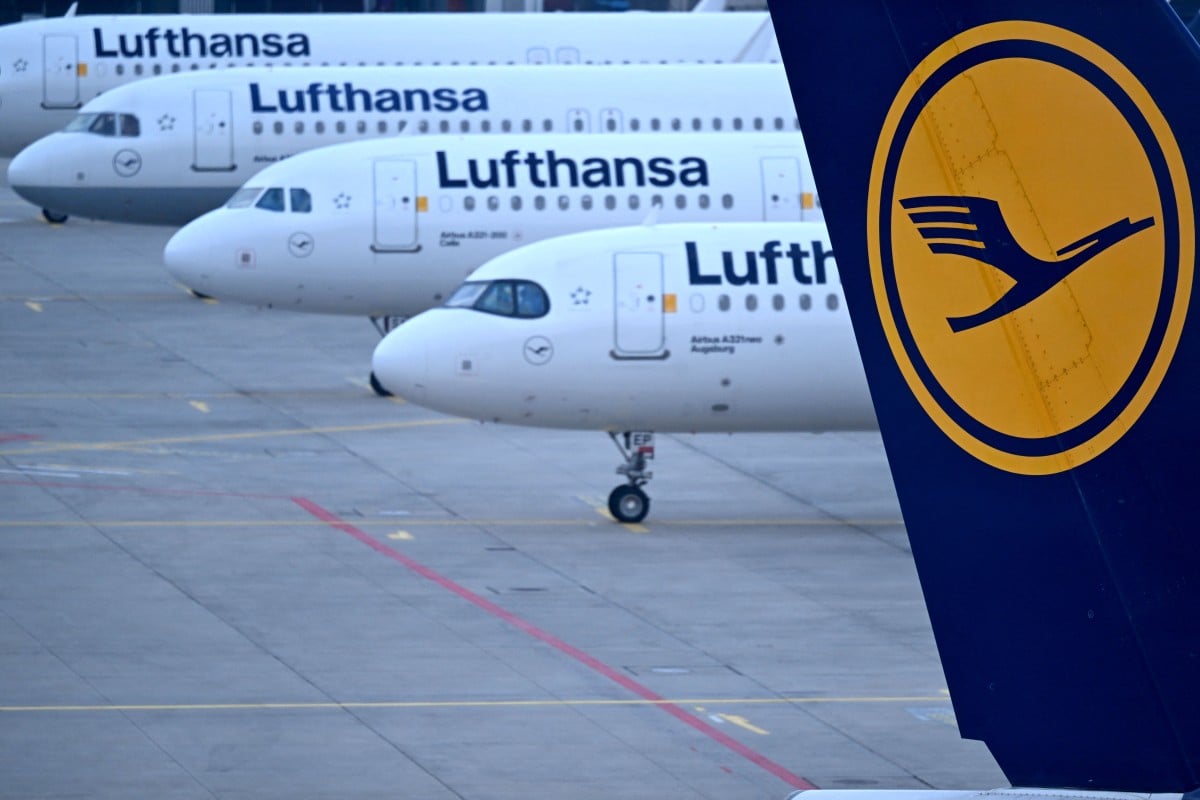
Among graduates in economics and business management, Lufthansa Group was seen as an especially appealing option. This year, the company jumped up six places to rank fifth among the firms in this category.
Meanwhile, Airbus - which has a major manufacturing base in Hamburg - is highly popular with engineering graduates, moving up one spot this year to become the sixth most attractive company in this industry.
IT and semiconductor chips
Compared to last year, Germany's leading semiconductor companies are significantly more attractive to young professionals in IT - perhaps due to a major influx of recent investment.
In 2024, Intel rose by 11 places to come 16th in the rankings for IT companies, AMD rose seven places to 32nd place and Infineon Technologies rose six places to 49th, putting all three in the top 50 most attractive tech companies to work for.
Software and hardware companies are also rising in the rankings, with companies in these sectors strongly associated with innovation and new technologies by young IT specialists.
Siemens, which was ranked the most attractive company for engineers and the ninth most attractive for IT and business graduates, was particularly associated with these qualities.
Of the young professionals surveyed, 57 percent said Siemens was open to new technologies while 52 percent said the company had attractive products and services.
According to Universum, smart strategic decisions have also played a role in boosting the profile of these companies among talented young people.
"Many of these companies are setting up large new plants in the East," said Falzon. "In doing so, they are creating opportunities and positioning themselves as highly innovative and attractive high-tech employers."
READ ALSO: Five things to know about salaries in Germany
What do young professionals value most in a job?
For the vast majority of the graduates surveyed, earning potential played a major role in their choice of career and company.
Base income took the top place as the most important consideration for young professionals, followed by flexible working conditions and the potential to earn a high salary in the future.
Also important were factors like innovation and a company's embrace of new, futuristic technologies - particularly for graduates in fields like engineering.
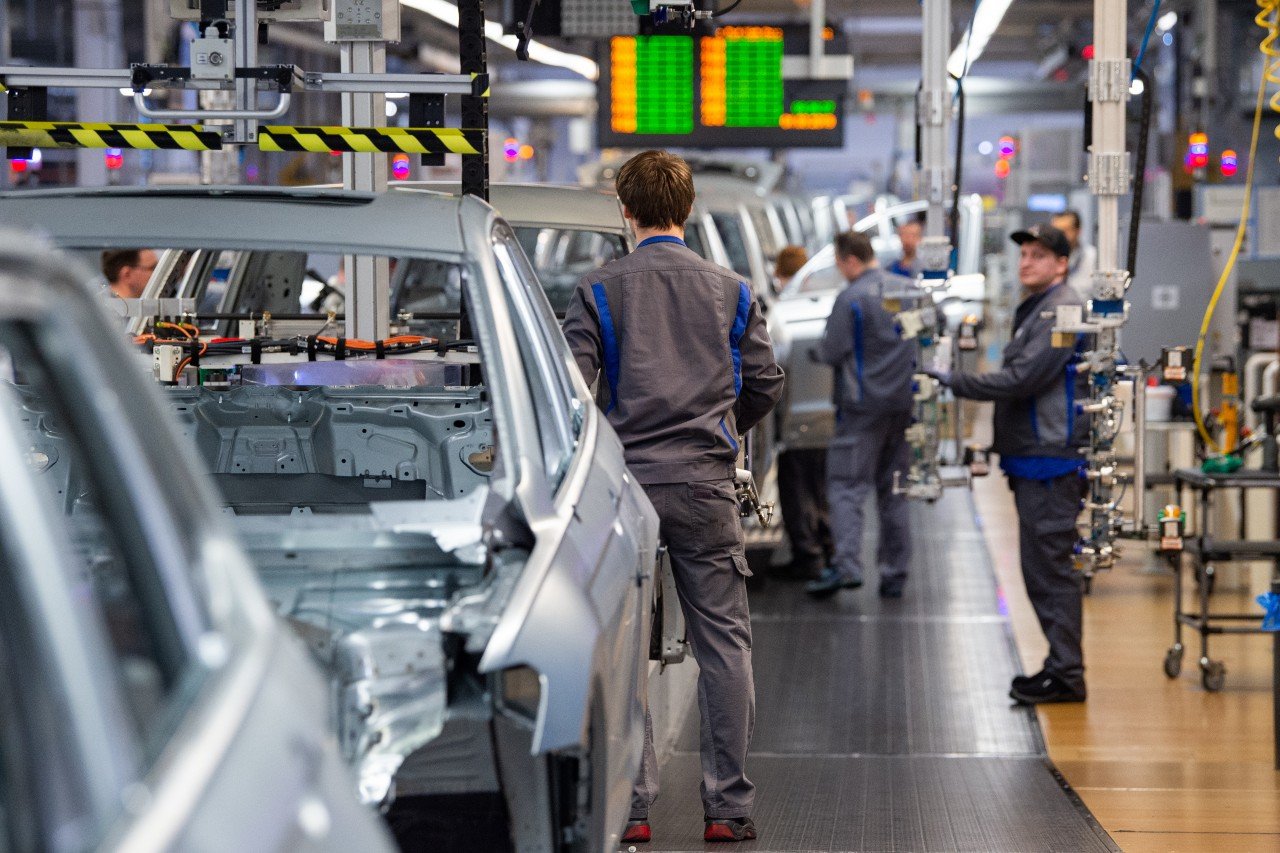
When it came to eastern and western states, young professionals in these regions had almost identical priorities.
However, there was a difference when it came to valuing market success and an inspiring company goal: the latter is one of the three most important career topics for 37 percent of young professionals in eastern Germany, but only for 27 percent of those in western Germany.
Meanwhile, working for a market leader was important to almost a quarter (24 percent) of employees in western Germany, but to just 16 percent of employees in eastern Germany.
Which are the top employers in my industry?
Though many of the rankings remained unchanged this year, Universum's most recent survey did throw up a few surprises.
In a sign of the changing times, Siemens shot to the top of the rankings for engineering jobs this year, representing the first time a non-automotive company took this position.
In second place, Bosch overtook Porsche, while the Lufthansa Group mad the biggest leap into the top 5 with a rise of six places among young professionals who specialise in business and economics.
READ ALSO: Will there be job losses and plant closures at Volkswagen in Germany?
Amazon, which rose five places in the IT ranking to land in sixth place, and ZEISS, which rose six places in the natural sciences industry to tenth place, both made it into the top ten for the first time this year.
Here's a rundown of the top ten in four key sectors.
Business and economics
1. Porsche
2. Google
3. BMW Group
4. Mercedes-Benz Group
5. Lufthansa Group (+6)
6. Apple (+1)
7. Bosch (-2)
8. Microsoft
9. Siemens (-3)
10. SAP
Engineering
1. Siemens (+1)
2. Bosch (+1)
3. Porsche (-2)
4. BMW Group
5. Mercedez-Benz Group (+1)
6. Airbus (+1)
7. Audi (-2)
8. Google (+2)
9. Deutsche Bahn (-1)
10. Rheinmetall (+3)
Tech and IT
1. Google
2. Microsoft
3. Apple
4. Porsche (+1)
5. BMW Group (+2)
6. Amazon (+5)
7. Bosche (-3)
8. SAP (-2)
9. Siemens (-2)
10. Mercedez-Benz Group
Natural sciences
1. Roche
2. BioNTech
3. Max-Planck-Gesellschaft
4. Bayer (-1)
5. Merck (+2)
6. Boehringer Ingelheim Pharma (+3)
7. Novartis Pharma (+2)
8. Fraunhofer-Gesellschaft (-3)
9. BASF (-3)
10. ZEISS (+6)
You can find the full list of rankings for each industry here.
Comments