

In Germany, winter tyres are compulsory when driving in wintry conditions, for example, when the roads are slippery due to frost and ice or snow and slush.
The fine for inappropriate winter tyres ranges from €60 to €120, depending on the severity of the violation, with possible penalty points on your driving record.
Here's what you need to know:
What is the winter tyre rule?
It's important to note that Germany does have different tyre requirements for the winter season than those observed in other countries.
Since 2010, German federal law has set specific rules about which types of winter tyres must be used in freezing conditions.
Many drivers in Germany follow the October to Easter rule of thumb, meaning that they'll be swapping their summer tyres for mud and snow tyres very soon.
Whereas winter-specific tyres were once required from October until April, this rule has since been updated to apply specifically when freezing conditions occur.
This means that most drivers still have at least a couple weeks to change their tyres as daily temperatures are not yet getting close to 0C in most of the country. But if you live in a mountain region where temperatures are dropping close to freezing temperatures already, you should make sure your tyres are approved for ice and snow conditions.
READ ALSO: The rules around children's car seats in Germany
Look for the three peaks
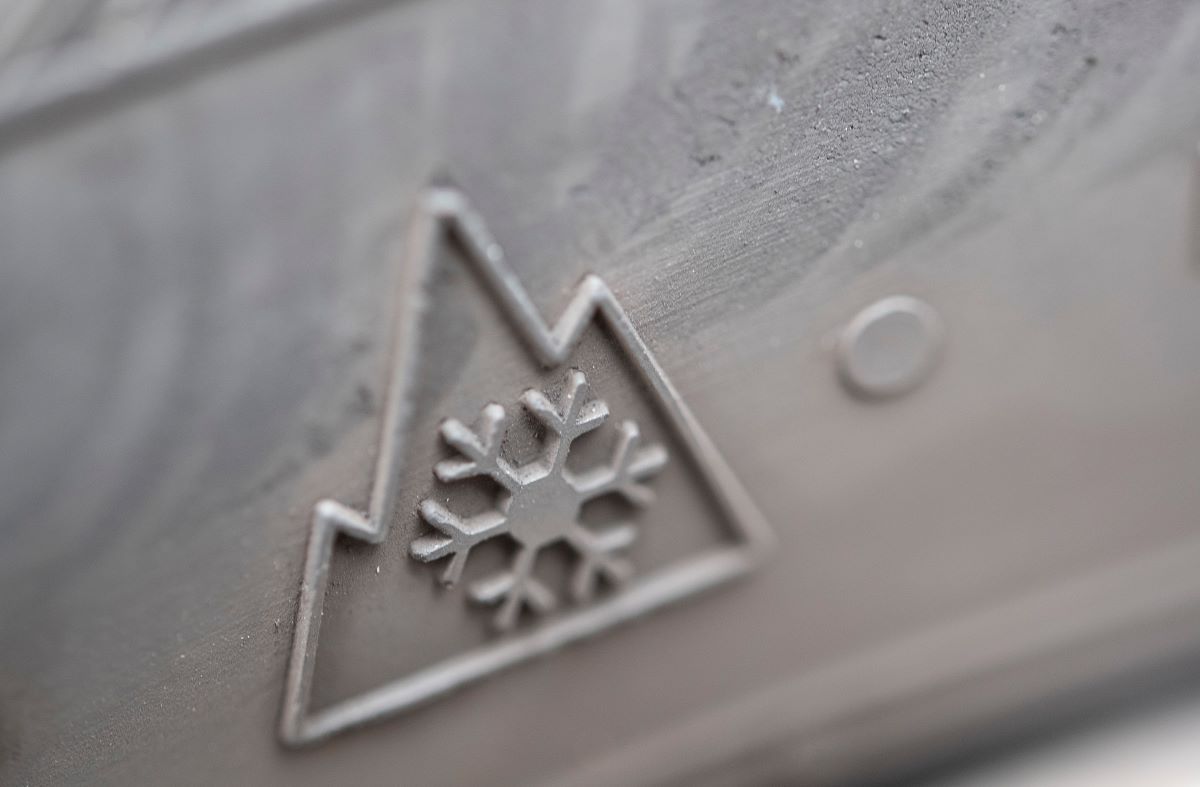
Starting in October last year, only tyres that are marked with the Alpine symbol (a 3-peak mountain icon with a snowflake in the centre) are qualified for use in freezing conditions in Germany.
The law applies regardless of whether the driver is the owner or is renting the vehicle.
How to check for safe tyres
According to the USAG Bavaria Safety office and ADAC, you should made sure your tyre tread is at least 1.6 millimetres deep when driving in Germany. Four millimetres is best according to ADAC, but less than 1.6 millimetres is a violation of road safety regulations.
You can use a one euro coin to quickly check your tread depth. If you place an edge of the coin in your tyre’s tread, the golden edge of the coin should disappear within the groove. If the tread is not as deep as the golden edge of the coin it's time to replace the tyre.
If you want to avoid changing your tyres seasonally, you can buy all-season tyres that are certified for use in snowy and freezing conditions. Just make sure that they have the Alpine symbol.
READ ALSO: O bis O - What you should know about changing tyres in Germany
In some parts of Germany, particularly in mountainous regions, snow chains may be required if directed by road signs or police.
USAG Bavaria Safety office and ADAC recommend carrying snow chains and checking your route prior to heading out in the winter months. Know how to put snow chains on before you need them, and don’t exceed 50 km/h when driving with them.
Comments