
German police shoot dead man armed with knives
German police on Tuesday said they had shot dead a man suspected of attacking passers-by with knives in the western town of Moers, days after a deadly knife attack in nearby Solingen.
Emergency services were called at around 2:45 pm on Tuesday and told that a man had "assaulted and threatened several passers-by" in the town, police in nearby Duisburg said in a statement.
Officers were able to locate a 26-year-old German suspect who "attacked (them) with two knives in his hands", the police said.
Police shot at the man who was "fatally injured as a result" but no other people were injured, they said.
The incident comes with Germany on high alert after three people were killed and eight injured in Friday's knife rampage at a street festival in Solingen, about 45 kilometres from Moers.
Germany initially rejects calls for U-turn on migration policy following Solingen attack
The German government has promised to increase deportations of criminals, but also suggests it will not fundamentally change its migration policy in the wake of mounting pressure from opposition parties following the deadly knife attack in Solingen by an asylum seeker.
"The individual right to asylum will be preserved. This is written in our Basic Law. And no one will question that with my support," said Chancellor Scholz in ZDF's heute journal.
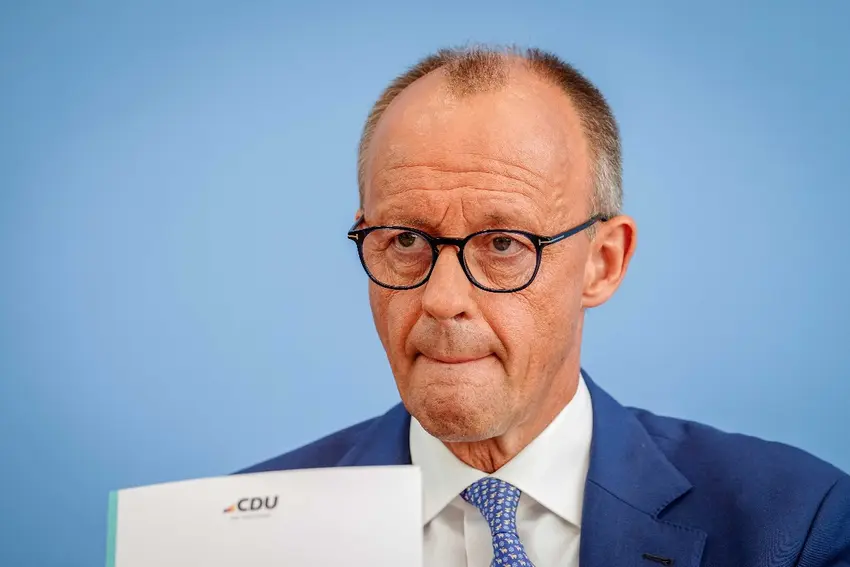
Scholz made this statement a few hours after a conversation with CDU leader Friedrich Merz, who had called for a general stop to the admission of refugees from Syria and Afghanistan.
During their talks, Merz proposed to the chancellor a joint realignment of migration policy - if necessary even without the traffic light partners Greens and FDP, which was tantamount to calling for a coalition break.
A clear acceptance or rejection by Scholz is still pending.
READ ALSO: 'Turning point' - Deadly knife attack fuels bitter German immigration row
Some members of the so-called traffic light coalition government have suggested that in calling for legally questionable actions on migration reform, Merz is stirring the pot ahead of coming state elections in Thuringia and Saxony, where his CDU party is running a tight race against the far-right AfD party.
READ ALSO: Why a German orchestra is using music to protest against the far-right
Four-day strike at Discover airlines leads to some flight cancellations
The second day of a strike by cabin crews and pilots at Lufthansa subsidiary Discover Airlines is underway on Wednesday.
But so far there has not been huge disruption to travellers, with the majority of around 55 flights scheduled for Tuesday operating as normal, a spokesperson for Discover said.
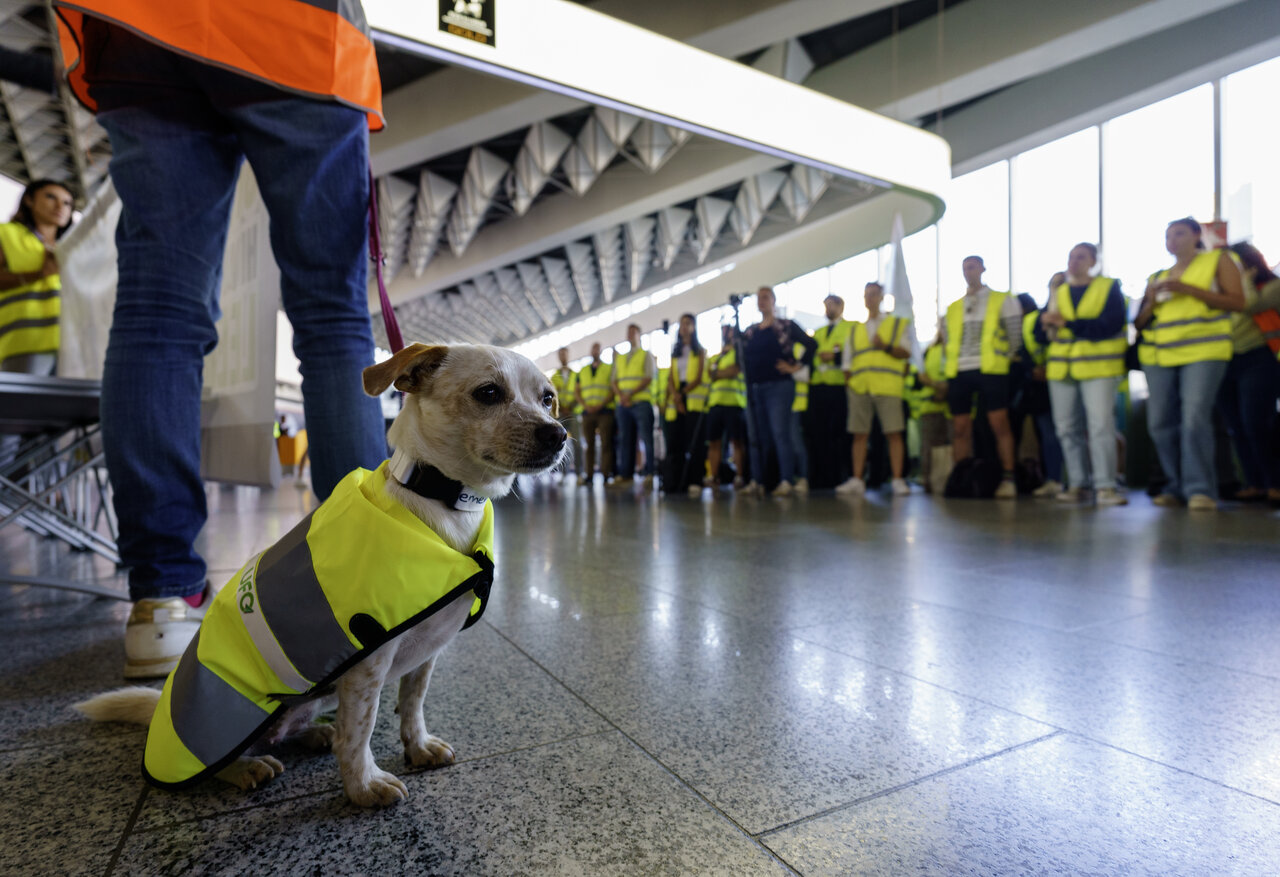
In some cases, however, flights were cancelled. Frankfurt airport operator Fraport listed seven cancelled flights on Tuesday, including connections to Palma de Mallorca, Ibiza and Mykonos.
The unions Vereinigung Cockpit (VC) and the Independent Flight Attendants' Organisation (UFO) called on pilots and cabin crew to go on strike for four days up to and including Friday over a collective bargaining row.
All departures from Germany may be affected. According to Discover, around 270 flights are scheduled to fly from Frankfurt and Munich during the entire strike period.
READ ALSO: Pilots and cabin crew to stage four-day strike at German airline Discover
Germany confirms economy shrank in second quarter
The German economy shrank by 0.1 percent in the second quarter, final data confirmed Tuesday, weighed down by sluggish private consumption and a drop in industrial investments.
"After the slight increase in the previous quarter, the German economy slowed down again in spring," said Ruth Brand, head of federal statistics agency Destatis.
The quarter-on-quarter contraction confirmed an initial estimate released by Destatis at the end of July, which surprised analysts who had been expecting a small uptick in growth in Europe's largest economy.
The April-to-June period noticeably saw a 4.1-percent plunge in investments in machinery and equipment, and a two-percent fall in investments in construction.
Household consumption was down 0.2 percent on the previous quarter, as were exports amid weak foreign trade.
READ ALSO: German consumer confidence to worsen in September
Germany, traditionally a driver of European growth, was the only major advanced economy to shrink in 2023 as it battled high inflation, an industrial slowdown and cooling export demand.
Hydrogen fuel storage to be tested in East Frisia
The energy company Uniper will soon commission an underground test storage facility for hydrogen in Krummhörn, East Frisia.
For two years, the test will examine how materials and technology cope with the gas and how hydrogen storage works out under real conditions.
CO2-neutral hydrogen fuel is expected to play a key role as an energy source and raw material for industry in a climate-neutral economic system in the future.
Experts expect a great demand for hydrogen storage in Germany in the coming years.
The energy company Uniper, which was nationalised in the wake of the energy crisis, is Germany's largest natural gas storage operator and sees itself as a pioneer in the development of a European hydrogen economy.

UK's Starmer in Germany for first bilateral trip as PM
UK Prime Minister Keir Starmer meets with German Chancellor Olaf Scholz in Berlin on Wednesday to discuss a new partnership between the countries, on his first bilateral trip since taking office last month.
The British leader, who will also travel on to Paris, has pledged to rebuild trust with European allies damaged by Brexit, and is set to hold talks with Scholz about launching a new bilateral accord with Germany.
Labour had said it would seek a security and defence treaty with Germany if it won the July 4 general election, which it did by a landslide - propelling Starmer to the premiership.
With reporting by DPA.
Comments