

Applying for naturalisation in Germany can be a daunting affair. After your first consultation or online screening, you're likely to be faced with a long list of documents that you'll need to provide, from language certificates to statements of earnings.
While many of these documents will already be in German, most documents from abroad will need to be translated - and not just with a translator app, unfortunately.
In fact, you'll need what's known as an amtliche or beglaubigte Übersetzung - in English that's an official or notarised translation.
If you're unsure what this is or how to get it, we've put together a quick guide to help you navigate the process.
What is a notarised translation?
Put simply, a notarised translation is an official document that bears a stamp to show that the translator - and by extension the translation itself - is trustworthy.
Though you may well be able to create a copy of a document in German, a notarised copy can only be produced by someone who has attained the relevant qualifications. Usually, certified translators in Germany must obtain a two-year masters' degree and prove their language skills in order to be able to do this type of translation.
READ ALSO: What do I need to apply for German citizenship under the new law?
They will be registered as a notarised translator and will be entitled to produce certified translations of documents for official purposes, such as visa or citizenship applications.
How do I get one?
One good way to find a reliable translator is to ask friends or colleagues for word of mouth recommendations - especially if they've been through the process of applying for citizenship themselves.
If that isn't possible, there are also plenty of easy ways to find a trustworthy and affordable translator online.
The German Association of Interpreters and Translators (BDÜ) has a helpful search function on its website where you can look for specific types of translators in English.
Simply specify that you need a written translation, input your origin language and the language the document(s) should be translated into, and tick the box stating you need a sworn or certified translation. This will lead you to a list of translators who are registered with the BDÜ and who you can contact to enquire about prices and availability.
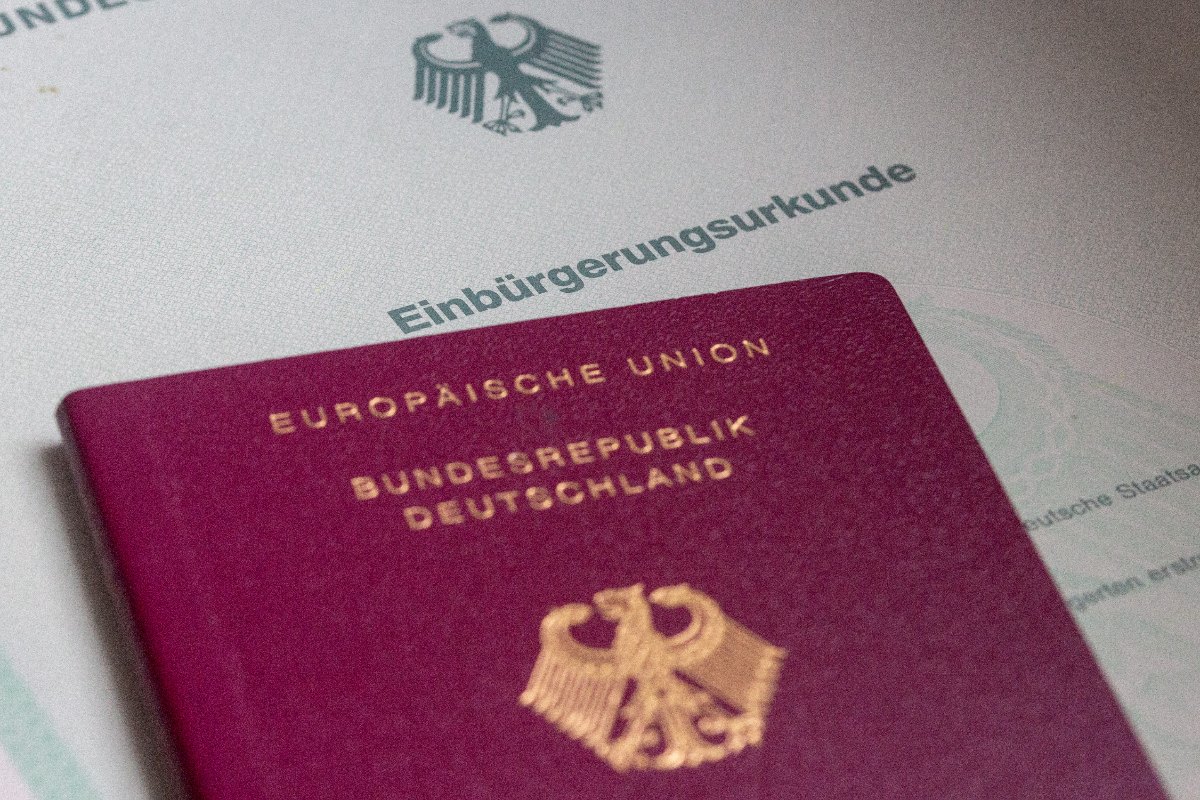
There are also plenty of companies that offer notarised translations online, mostly at relatively affordable prices and with a quick turnaround of a day or two. This can be a convenient option if you'd prefer to simply upload your documents and pay a fee rather than reaching out to translators individually.
You can track down these companies by googling amtliche Übersetzung or beglaubtige Übersetzung, but sites like beglaubigung24.de, lingidoo.de and as-übersetzung.de are popular options.
READ ALSO: The vocabulary you need to understand the German citizenship process
Which documents need to be translated?
The kind of documents you need to have translated will partly depend on your specific circumstances, but the rule of thumb is that foreign certificates that aren't in German will always need a beglaubtige Übersetzung.
For most people, that will mean their birth certificate and, if applicable, their marriage and/or divorce certificate as well.
How much does it cost?
The cost of a notarised translation can vary a lot, but it will usually depend on a number of factors:
- How quick you need the turnaround to be
- The level of experience of the translator
- The difficulty of the source language being translated from
- The size of the company or translation firm
For official documents, most translators will give you a quote per page, which could be anywhere from €15 to €40 before VAT.
If price is an issue, it usually pays to shop around and try asking for a discount if you have several documents that need to be translated at once.
READ ALSO: How much does it really cost to apply for German citizenship?
Comments