In honor of Saarland's 100-year anniversary as a German state this year, we look at its most important aspects, from history to geography.
Saarland is Germany's smallest non-city state by land mass, and with just under one million inhabitants, is only larger than Bremen by population.
READ ALSO: Big birthday in a small state: Saarland celebrates its 100-year old history
An international state with heavy influences from France and Luxembourg and a history of independence, Saarland presents a beautiful, eclectic culture.
Let's begin with the basics.
Geography
Located in the westernmost point of Southern Germany, Saarland is surrounded almost completely by the German state of Rhineland-Palatinate. France creates a border to the south, while Luxembourg shares a small border with Saarland to the northwest.
The capital and most populous city of the state is Saarbrücken.
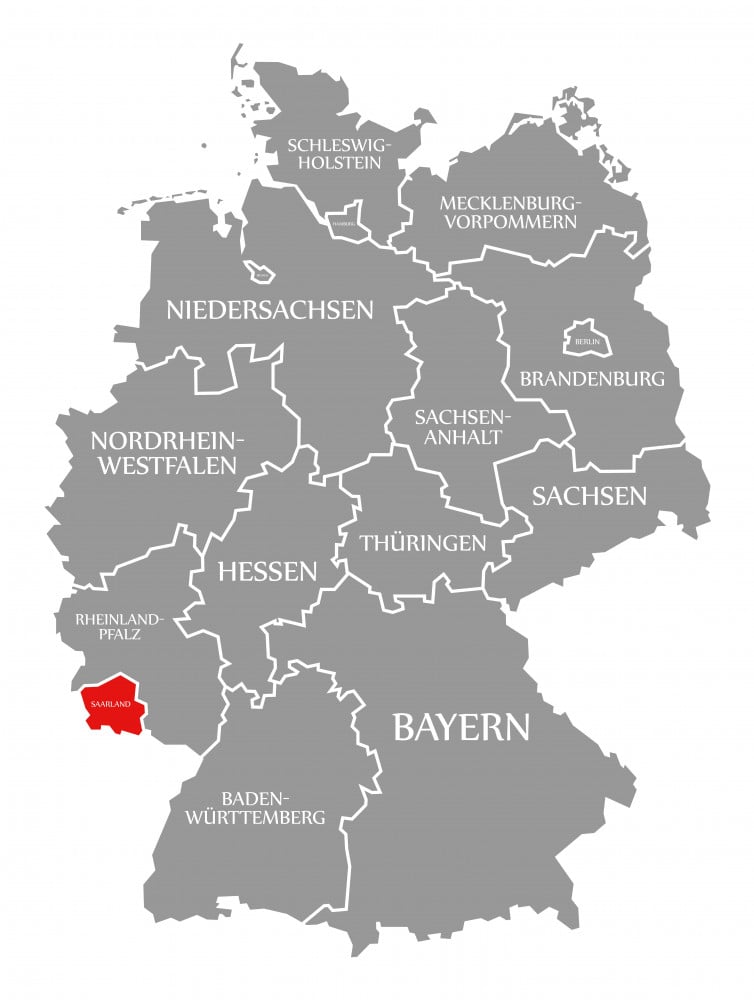
Source: ingomenhard/Depositphotos
History
The Saar region has a well-documented history, from being conquered by the Holy Roman Empire to being parts of the kingdoms of the Carolingians and Franks.
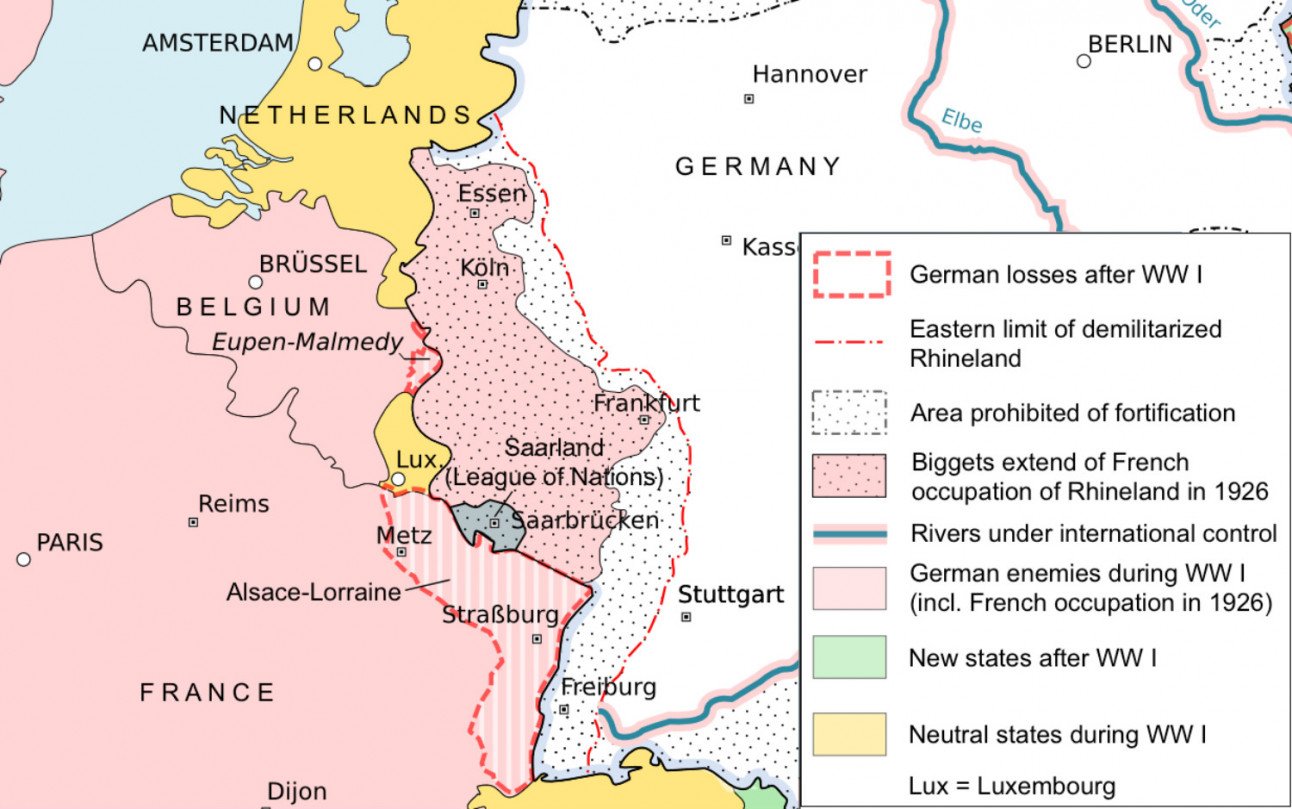
The 100-year anniversary of the founding comes from the 1920 Treaty of Versailles, which gave the then-British and-French occupied Saar area an independent League of Nations mandate lasting 15 years. The map below displays the state's new territory.
After the mandate was over in 1935, Saarland's population voted with around a 90 percent majority to join Germany.
Post-World War II
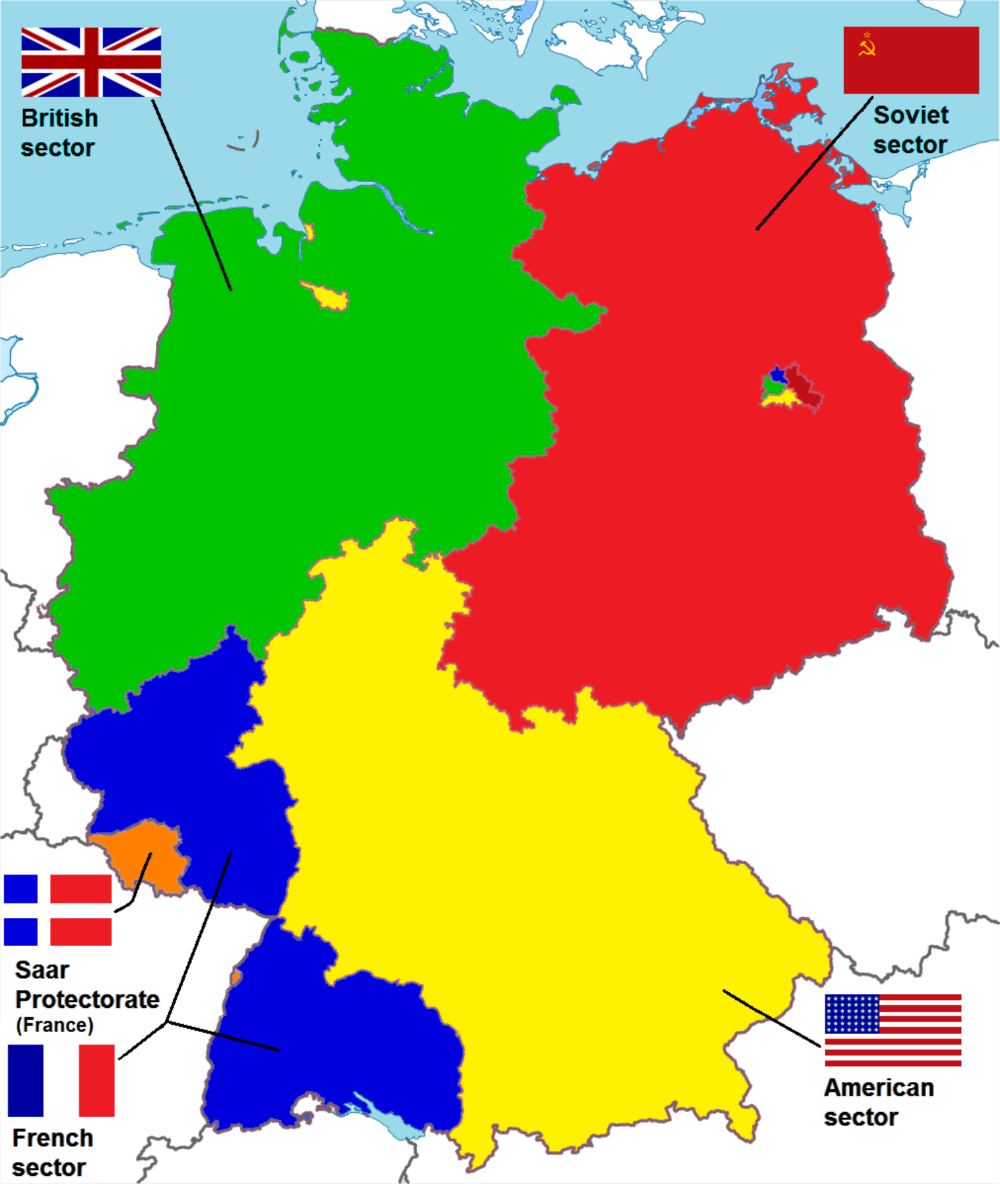
After World War II, Saarland fell under French occupation as France attempted to take control of the coal-rich industrial areas like North Rhine-Wesphalia's Ruhr area and Saarland.
France didn't manage to do this, and the Saar fell under France's Saar Protectorate, as shown on the map below. This meant the state was dependent on France for protection, but retained some measure of independence and autonomy.
Language
Historically, France has been very influential in Saarland. So influential that the government announced in 2014 it aims to make schools include French as a language requirement by 2043.
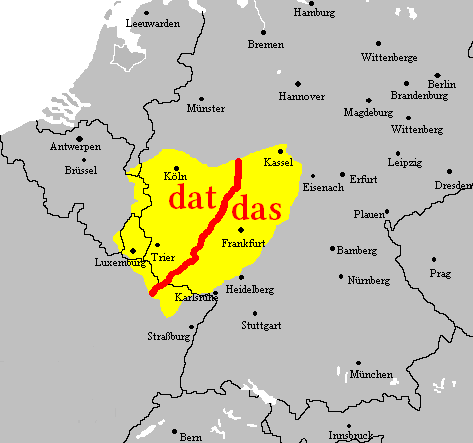
However, Saarland remains mostly German-speaking and has its own dialectical characteristics. People in the area generally speak Moselle Franconian in the north and Rhine Franconian in the South, divided by the famous dat/das line that zigzags across Europe.
The line passes above the capital but below Saarlouis, as shown in the map below. Another characteristic is the tendency to refer to women in the neutral form rather than feminine.
Religion
Saarland is one of Germany's most religious states, and is the only one with an over-50 percent Catholic majority. The map below shows the concentration of self-identified Catholics in Germany, according to a 2011 census.
Most Catholics are centered in former West Germany, either in Bavaria or farther to the west in North-Rhine Westphalia or, as mentioned, Saarland. More recent statistics from late 2017 show that almost 60 percent of Saarland's population identifies as Roman Catholic.


Comments