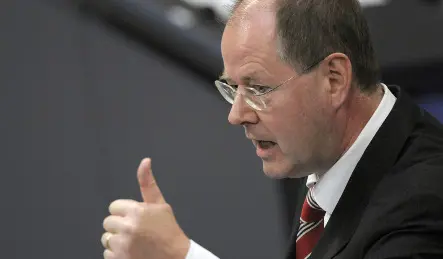
While he said he was against creating a central bad bank from tax payer money, he asked whether "every institution couldn’t have the opportunity to remove problem investments from their balance and start new."
This strategy would mean that each bank was responsible for itself, he said. "The separated ‘good bank’ would then have to be helped through the bailout plan," he added.
Germany is working on ways to help its banks get rid of toxic securities that have kept them wary about lending despite last year's €480-billion ($625-billion) rescue package without making taxpayers suffer, lawmakers said last week.
But many politicians have rejected the idea of a bad bank, as has president of Germany’s central bank the Bundesbank, Alex Weber. One solution on the table has been dubbed a “bad bank-lite,” which would take on banks' bad assets but write down any loss in value once the assets mature, which in some cases would not happen for 50 years.
Meanwhile Chancellor Angela Merkel's government finished a stimulus package this week that promises to pump money into infrastructure and cut taxes after the country's worst crisis since World War II.
Comments