Due to the coronavirus pandemic, many more Germans are holidaying at home. Now tourist bosses say popular destinations are almost fully booked already.
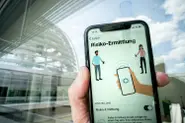
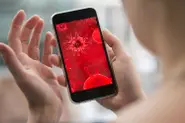
Germany’s new coronavirus tracking app, which launched on Tuesday, has already received more than seven million downloads, according to Germany’s Health Ministry on Wednesday.
The coronavirus pandemic has influenced every aspect of our lives, including our vocabulary. We take a look at some of the German words and phrases which have become part of everyday conversation since the coronavirus outbreak.
Hairdressers and barbers are expecting a wave of customers when salons in Germany reopen on Monday after a seven-week long compulsory break during the corona crisis.
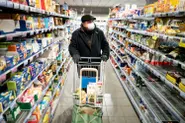
Where are people best protected from Covid-19? According to a new ranking, Germany is currently the second safest country in the world to be in during the coronavirus crisis.
A section of one of the capital's busiest streets will be car-free for six months in an experiment aimed at attracting more pedestrians and cyclists to the area.
There are fresh calls for reform on Germany's dual health system after a new study found many people would benefit if private health insurance was abolished.
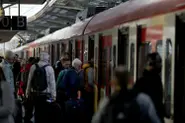
Berlin’s Social Democrats are pushing for a €365 annual ticket for public transport. But it’s already proving a controversial proposal, with a Munich travel boss warning against it.
Police have received 516 tip-offs following the burglary at the Green Vault in Dresden on November 25th, amid calls for greater security in the art world.
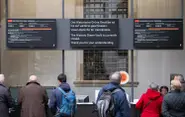
As part of the climate package, government subsidies for public rail and bus transport are to be increased over the next four years. Will it encourage more people to ditch their car?