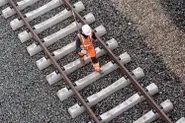
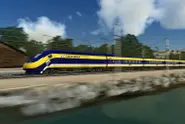
DB’s plans for 2019 will be welcomed by passengers in the longer term, although with 800 building sites to be set-up simultaneously, delays are likely.
Germany’s biggest rail operator Deutsche Bahn (DB) paid out €53.6 million in compensation to customers last year, according to a DB spokeswoman – a huge increase from the €34.6 million that was reimbursed to passengers in 2017, or double that of the previous year.
Train passengers may be faced with further disruption following Monday’s nationwide strike by railway workers which plunged Germany’s public transport network into chaos.
A railway workers’ strike that caused chaos on public transport across Germany has ended, but passengers should expect disrupted services all day, especially if they’re travelling long distances, rail bosses warned.
For business or occasional travellers, complaints about Deutsche Bahn's lateness, cancellations and high prices are frequent. The company has said a new round of price increases, set to come into effect this weekend, will add new routes, improve connections and address customer concerns.
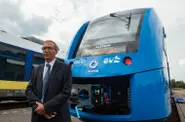
The world’s first operational hydrogen-powered train went into service on Monday in northern Germany. The innovative locomotive could herald the arrival of more environmentally friendly railways.
After a fire ripped through houses adjacent to a high speed rail line outside Cologne on Tuesday. Deutsche Bahn later donated half a million euros to the victims.
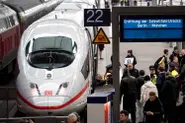
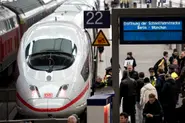
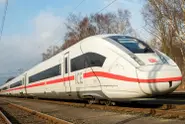
Since the launch of the new high-speed route linking Berlin with Munich in December, the route has carried two million passengers, DB reported this week. This exceeds the company’s expectations as it is twice as many riders as in the same period the previous year.
State-owned rail company Deutsche Bahn aims to win over more customers on long-distance routes in Germany with budget-friendly offers set to be put in place later this summer.
Germany’s state owned rail company made an embarrassing admission on Monday. The number of trains that never arrived at the destination jumped by 17 percent last year.
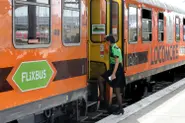
German bus start-up Flixbus on Tuesday said it will begin running two long-distance train services, in a challenge to the dominance of state-owned rail behemoth Deutsche Bahn.
Munich’s Ostbahnof was completely closed down on Wednesday morning after freezing temperatures made regular service impossible. In Berlin the situation was only slightly better.
With the goal of helping suburban trains in Stuttgart to run on time more often, Deutsche Bahn (DB) on Monday introduced a platform with colourful flashing lights at one of its S-Bahn stations.
The single route that funnels all suburban trains through Munich city centre is just one section of track in the Bavarian capital that will undergo significant repairs in 2018.
Tickets for trains, buses and trams in towns and cities across Germany are likely to get more expensive for passengers this year, according to a transport federation.
As hurricane "Friederike" swept through Germany on Thursday, it had a massive impact on public transportation. Here’s what to know if you plan on travelling on the rails or in the sky in the next few days.
The new high-speed line between the capital and Munich was beset by problems when it opened in December. But that hasn’t stopped the passengers flooding in.
Sleeper services once sowed a line between Berlin and the rest of central Europe. This month the route to Budapest closed down, despite experts saying night trains are good for the environment and potentially profitable.
After strong winds ripped up trees in and around the Bavarian capital on Wednesday evening, the city’s entire S-Bahn network was running limited services on Thursday morning.
Since the new express line between Germany’s two most prominent cities opened on Sunday, it has been hit with delays, breakdowns and cancellations. Here are some reasons why.
Deutsche Bahn is implementing the largest timetable change it has had in decades, meaning that from Sunday onward, many long-distance trains will run on a different schedule and travel times will be reduced.
After more than a quarter of a century in the making, the rail link connecting Germany’s capital and its economic powerhouse is ready to open to the public, but not without large scale celebrations first.