Arbitration talks to resolve a deadlocked wage dispute for 1.3 million German public-sector workers begin on Saturday in the hopes of avoiding a massive nationwide strike.
The upswing of the world’s third largest economy is passing by many average Germans, who have seen their buying power sink for the last three years. Many public sector workers even have to rely on government benefits.
Business and tourism leaders in Berlin are expressing fears that shops could close and hotels run empty as a crippling public transport strike hit day nine with no end in sight.
The public service worker wage dispute that has been playing out on German streets for the last week is largely supported by the German public, according to a poll released on Wednesday.
After days of warning strikes, the western German textile industry announced early Tuesday morning in Gladbeck that it has achieved a new wage contract with employers.
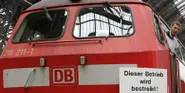
German rail service has been running smoothly on Monday despite a quick transition from Deutsche Bahn's strike contingency plan to normal service after resolution of a labour dispute over the weekend.
German train drivers have abandoned plans for a huge nationwide strike on Monday after reaching agreement with the country's national railway operator Deutsche Bahn.
Germany’s state-owned railway Deutsche Bahn is hoping to avert a crippling nationwide train strike in last ditch talks late on Sunday. But even if a resolution is found, rail traffic is not expected to function normally on Monday.
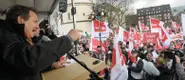
German public sector employers have announced the official collapse of wage negotiations with trade union Verdi. Mediators are now stepping in to try to avoid extended strikes.
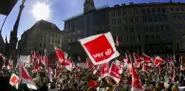
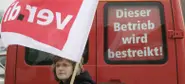
German trade union Verdi has said it doesn't expect a solution to the chaos that multiple strikes are creating on the second day of nationwide labour strikes. Meanwhile, further strikes have been announced.
Strikes brought transport chaos to Germany on Wednesday as airport workers joined labour protests by other public sector workers, causing hundreds of flight cancellations and long delays around the country.
Germany’s capital Berlin woke up to a snowy morning on Wednesday, as commuters struggled to get to work amid an extended transit strike. The rest of the country faced limited strikes at airports, clinics and daycare centres.
German train drivers and airport workers will stage nationwide strikes in the coming days. In a country known for it's love of order, these strikes, combined with other service industry strikes could wreak havoc on German commerce.
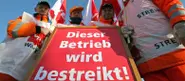
Widespread public sector strikes hit 11 of Germany’s 16 states on Tuesday, as garbage collectors, nurses, and bus drivers all walked off the job as a warning to government employers.
The ongoing public sector labour dispute in Germany has reached a boiling point. Everything from trash collection to German airports could be affected by paralyzing strikes this week.
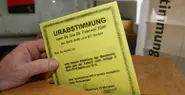
Berlin's citizens will have to break out their bikes and walking shoes next week after the city's public transportation (BVG) workers have voted almost unanimously to strike.
Public clinics across Germany will be staffed only by essential personnel on Thursday due to a strike by health workers. The strike by members of the Ver.di united services union has been called to press for an eight percent pay rise. The German Business Institute calls the claim “unserious.”
Administrative and maintenance staff at Berlin public transport operator BVG are to go on strike on Wednesday in a protest over pay. Subways, commuter trains, trams and busses will run, however administrative offices and garages will strike on Wednesday from 5am to 3pm.
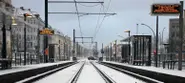
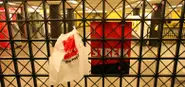
Berlin's public transport system has come to a standstill because of a strike by mass transit workers. The result is a “chaotic situation,” according to a passenger organization IGEB.
Unions are threatening prolonged strikes at the Vattenfall headquarters in Berlin due to a conflict over wages. The unions IGBCE, who represents workers in the energy industry, and IG Metall, the industry union of metal workers, are demanding an 8 percent increase in wages, while Vattenfall is insisting on its offer of a 3.2 percent wage and a one time payment of 500 Euros.