There was a divided reaction to Germany's new stricter shutdown, which went into effect on Monday throughout Germany. Some politicians said it was welcome in light of growing infection rates, while others called for looser alternative measures.
New restrictions in Germany that will shutter most shops to curb the second coronavirus wave have raised fears of thousands of job losses, industry representatives said Tuesday.
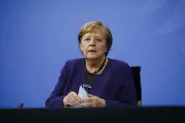
Chancellor Angela Merkel is meeting with state leaders on Wednesday to reach a final decision on how Germany will deal with the coronavirus situation in December and January. Here's what we can expect.
Chancellor Angela Merkel and state leaders will meet on Monday to review the coronavirus measures put in place to slow down the spread. What can we expect?
Germany is in the middle of a shutdown for the month of November. But the rules on contact restrictions can vary between states. We take a look at what the rules are in the capital, Berlin.
Much of public life is closing this month. But what exactly will this mean for your life? And are there differences from state to state? We break down what you can expect.
Germany is in a V-shaped economic recovery as it bounces back more strongly than expected from the effects of the first phase of the coronavirus pandemic, the economy minister said Tuesday.
From hitting the country’s huge export industry to affecting embassy services, Germany is feeling the impact of the US shutdown, with the prospect of an American default stoking further fears.
Germany said on Wednesday it "regrets" the shutdown of the US government, but said that the economic impact should remain limited if deadlock ended within two weeks.
The effects of the US government shutdown are being felt around the world. On Tuesday the German press gave its reaction to the disaster, warning of “fatal consequences” and another world economic crisis.