Google's announcement it would soon launch its "Street View" program in 20 German cities has sparked outrage among the country’s politicians and data protection experts. But how upset are average citizens? And is their privacy truly threatened? <b>David Wroe</b> reports.
As a growing number of German politicians said they would forbid Google from showing their homes on the US internet giant's “Street View” service, the government on Thursday announced plans for a law to protect citizens' privacy on the web.
Internet giant Google’s plan to introduce its ''Street View'' to Germany has sparked a groundswell of debate about privacy, with one senior conservative politician complaining on Wednesday that the service would help burglars.
Internet giant Google announced Tuesday it would launch its controversial Street View service in 20 German cities by the end of the year but would give residents the chance to opt out if they were worried about their privacy.
German Consumer Protection Minister Ilse Aigner said Thursday she was deleting her Facebook account in protest because the social networking site's new privacy settings announced last week do not go far enough.
German Foreign Minister Guido Westerwelle met Google co-founder Larry Page Thursday, amid tensions over its controversial Street View service and Berlin's concerns about data privacy.
Hamburg public prosecutor’s office opened an investigation into US internet giant Google on Wednesday following the company’s admission that it had mistakenly gathered personal data over unsecured systems with its Street View mapping service.
Google is halting the collection of WiFi network information for its controversial "Street View" mapping service after admitting it mistakenly gathered personal data sent over unsecured systems following a German audit.
Anti-Facebook feelings in Germany grew Wednesday as a major consumer group urged people to abandon the social networking website unless it scraps planned changes to its privacy policy.
In a victory for privacy advocates, Germany’s highest court on Tuesday knocked down an anti-terrorism law that allows authorities to store all phone and internet records of private citizens.
It sounds like something from a creepy science-fiction film, but a poll published on Monday showed one in four Germans would be happy to have a microchip implanted in their body if they derived concrete benefits from it.
The internet social network Facebook can now face prosecution in Germany in the case of privacy violations, the country's data protection commissioner Peter Schaar confirmed Saturday.
Google's "Street View" service faces a new hurdle in Germany, with Consumer Minister Ilse Aigner branding it on Sunday a “million-fold violation of the private sphere” and demanding the internet giant get additional consent from people photographed.
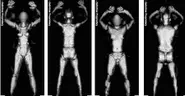
Scantily clad Pirate Party supporters demonstrated over the weekend at several German airports to show their opposition to controversial “naked” scanners planned for security checks.
A controversial law forcing communications companies to keep records of customers’ phone and internet use for six months was to be scrutinised on Tuesday by the constitutional court after 34,000 people lodged appeals against the law.
The German Interior Ministry confirmed on Monday that new identification cards containing radio-frequency (RFID) chips will be introduced starting November 1, 2010 - but some data protection experts are critical of the decision.
German consumer protection advocates on Thursday warned parents to beware of online Advent calendar games for children that promise prizes to collect their personal information.
Google is once again facing the possibility that it could run afoul of Germany's strict privacy laws. The culprit this time? The web analysis tools of the US internet giant and other firms.
Germany's federal data protection commissioner Peter Schaar has slammed the EU’s plan to share citizens’ bank data with the United States as an unacceptable breach of privacy, daily <i>Frankfurter Rundschau</i> reported on Thursday.
German authorities are resorting to more controversial telephone surveillance in their investigations, daily <i>Süddeutsche Zeitung</i> reported on Wednesday.
Public health insurance companies may have sold personal patient information to private insurers, German federal commissioner for data protection Peter Schaar told daily <i>Bild</i> on Wednesday.
Authorities investigating the spying scandal at Deutsche Telekom confirmed on Friday that they have raided properties owned by former Deutsche Post chief Klaus Zumwinkel and former Telekom boss Kai-Uwe Ricke.
Germany's railway Deutsche Bahn and main telecommunications operator Deutsche Telekom on Wednesday admitted secretly spying on employees to uncover suspected cases of corruption.
In October, the German government poured cold water on a European Commission plan to allow controversial ‘naked’ scanners to increase security at airports. Now the EU has six of the €120,000-machines that it may be trying to sell, news magazine <i>Der Spiegel</i> reported on Tuesday.