The representatives of the Greens in the Bundestag (German parliament) have called for recipients of state support like Bafög, Hartz IV or housing subsidies to also have free access to contraceptives like the pill or condoms.
In Germany, abortion is not the lightning rod for liberal and conservative anger that it is the US or Ireland, where a referendum is being held Friday on the matter. But the fact that it is technically illegal under the constitution is just one issue that still stirs debate.
Big life moments such as child birth can seem overwhelming in a foreign country, especially one as bureaucratic as Germany. But learn the ropes and you'll see that this is an excellent place to be pregnant.
Germans have gained a reputation of late for the reluctance to have kids. But a dramatic increase in pregnancies among migrant women has helped push the birth rate up to a level not seen in four decades.
It is high time that Germany scraps a 1930s law that forbids doctors from providing women with complete information on how to terminate a pregnancy, argues Kate Cahoon.
Recent data show that more than 20,000 babies have been born in Germany using artificial insemination, meaning that doctors have significantly improved their success rate.
Polish writer Olga Mecking tells The Local why Germany is so much better than neighbour the Netherlands when it comes to getting pregnant and bringing up kids.
In the month since authorities introduced a compulsory registration for people infected with the Zika virus 12 cases have been recorded, local media report.
Nearly one in three babies in Germany are delivered by c-section, putting Germany among the top ten European countries with the highest c-section rates, according to a new study.
Almost a third of German babies born in 2010 were delivered by Caesarean section – twice as many as 20 years ago and more than twice the World Health Organisation says is generally necessary.
Severe emotional stress experienced by women during pregnancy can make their children more timid and prone to psychological problems later in life, according to new German research.
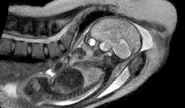
Berlin’s Charité Hospital has achieved a world-first by creating MRI images of a baby being born in order to provide extraordinary insights into the birthing process.