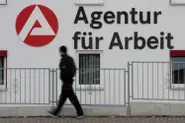
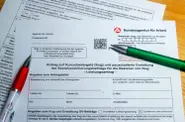
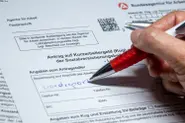
Some seven million people in Germany have been put on Kurzarbeit (reduced work). While the state has taken over paying part of their salaries, they need to know about possible repayments next year.
Unemployment in Germany only inched up in June, official data showed Wednesday, as Europe's top economy has weathered the coronavirus storm so far without an extreme amount of job losses.
German car giant Volkswagen said
Tuesday its German factories would end in July a shorter hours scheme used to cushion the impact of the coronavirus pandemic as production ramps back up.
The coronavirus crisis has prompted German firms to seek government-backed shorter hours schemes for a total of 11.7 million workers since March, official data showed Wednesday.
Germany's 'Kurzarbeit' scheme has been a lifeline to millions of people hit by reduced working hours due to the coronavirus pandemic. Here's how you can apply.
Almost 650,000 businesses had applied for Germany's reduced-hours work scheme by April 6th, official figures showed Thursday, with the government expecting uptake to exceed levels seen in the 2008-2009 financial crisis.
Mercedes-Benz maker Daimler said Wednesday it plans to restart work at factories in Germany from April 20th,
after a weeks-long interruption due to the coronavirus pandemic.
With measures to contain the
spread of the novel coronavirus hobbling Europe's largest economy, Germany is betting heavily on a scheme tested in the financial crisis to keep labour market structures intact.
The German auto parts and power tools group Bosch decided Tuesday to raise pay for 85,000 workers two months early to thank them for concessions which have helped turn the company's results around.
Unemployment in Germany edged slightly lower in August to 3.188 million people, according to official figures released on Tuesday, as the rebounding economy continued to create jobs.
Germany’s business climate has shown the biggest monthly improvement since reunification, the respected Ifo economic institute reported Friday, in another sign that the crisis is but a distant memory.
Official data on Tuesday showed German unemployment falling sharply and retail sales picking up, as Europe's biggest economy pushed on despite the eurozone financial crisis.
Germany offered other countries information on how to run their economies in a more efficient fashion on Thursday with the online publication of documents in English on the "German job miracle."
The Federal Labour Agency said Wednesday the number of people out of work in Germany dropped unexpectedly to 8.5 percent in March, as Europe's top economy continued its gradual recovery.
Unemployment is rising in Germany, official data showed on Tuesday, but short-work schemes and start-ups might have averted a feared surge after the country's worst post-war recession.
The Federal Labour Agency said on Tuesday that German unemployment dipped to 7.6 percent of the workforce in November from 7.7 percent the previous month, as government sponsored shorter working hours kept job cuts at bay.
Germany's cabinet approved on Wednesday a 12-month extension of a popular scheme allowing firms to reduce working hours, which has helped keep a lid on unemployment in Europe's biggest economy.
Germany’s unemployment rate in June fell slightly to 8.1 percent from 8.2 percent last month, but the slight improvement doesn’t mean the economy is out of troubled waters yet, analysts said on Tuesday.