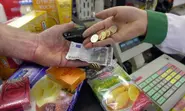
Though many Germans believe that prices have risen dramatically since the introduction of the euro a decade ago, statistical reality for most goods and service tells a different story.
Fear of inflation is growing in Germany as people lose their faith in the euro, with a third of those questioned for an opinion poll having little or no trust in the currency and nearly half are worried about where to put their savings.
Inflation in Germany stayed put at 2.3 percent in June, in part because of a drop in vegetable prices sparked by a killer bacteria, the national statistics office said Tuesday.
Food prices in Germany increased dramatically over the last year, with coffee and chips up to 40 percent more expensive this year than in 2010 according to a study by information service <i>Preiszeiger</i>.
German unemployment reached a post-reunification low in March, official data showed Thursday, but inflation is nonetheless dampening consumption and sentiment in Europe's biggest economy.
The cost of gas and electricity are the biggest financial worries for Germans, with nine of out 10 people concerned about the rising cost of energy, a poll published Friday has found.
Despite the economic revival, only 6 percent of the German population expect to have more money in their pockets this year than last according to a survey.
Consumers face a wave of rising prices with leading economists predicting on Wednesday that the inflation rate in Germany could hit 4 percent in coming years.
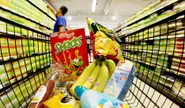
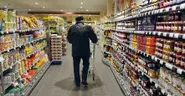
German shoppers face higher grocery bills with the price of food climbing faster than the general cost of living, government figures released Thursday revealed.
Deutsche Post, Germany's state-run postal service, is considering raising its postage charges to compensate its workers for planned cuts, it was reported Saturday.
German inflation averaged 0.4 percent in 2009, its lowest level in 10 years, provisional figures released on Tuesday by the national statistics office showed.
Inflation in Germany dropped 0.5 percent last month compared to the same period in 2008 – the first such decline in 22 years – raising the spectre of deflation amidst the worst economic downturn since World War II.
Despite the worst economic crisis since 1945, German consumers are ever more confident in the future and increasingly willing to part with their hard-earned cash, a closely-watched survey said on Monday.
German inflation ticked up slightly to 1.0 percent in February, preliminary data released on Friday by the national statistics office showed, but was expected to fall again soon.
German inflation set a 14-year record last year of 2.6 percent, final figures released on Thursday by the national statistics office showed, a result of higher costs for petrol and food.
German inflation slowed in December but Europe's biggest economy still registered its highest annual inflation rate in 14 years, provisional official figures released on Tuesday showed.
German producer prices gained 7.8 percent in October from the same month a year earlier but were unchanged from September, data released on Thursday by the national statistics office showed.
Getting into the Christmas spirit will require Germans to dig a bit deeper into their wallets this year. Both Christmas trees and their candles will be more expensive, consumer magazine <i>Guter Rat</i> reported on Thursday.
German inflation eased in September to 2.9 percent on a 12-month basis, from 3.1 percent the previous month, final figures released on Wednesday by the national statistics office showed.
The German trade union IG Metall said on Tuesday it will demand a hefty eight percent pay increase for 3.6 million workers in the metallurgy and electronics industries.